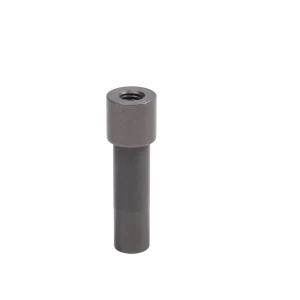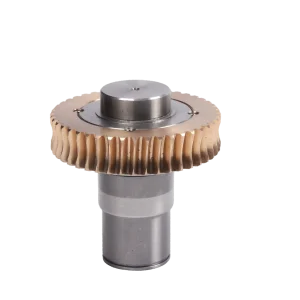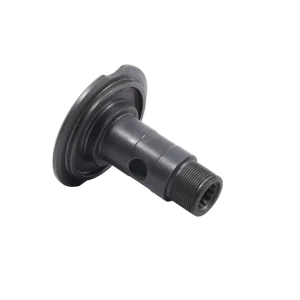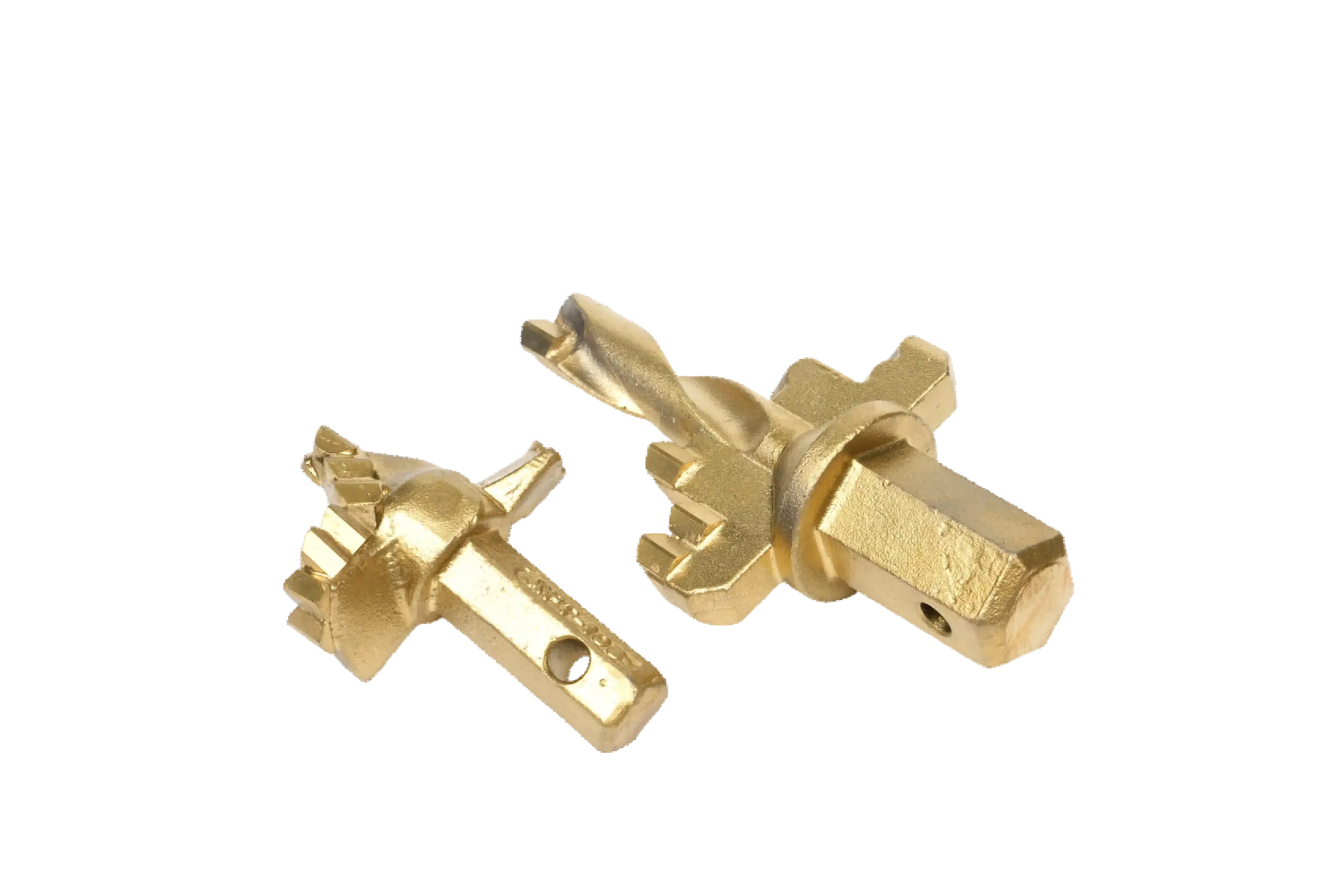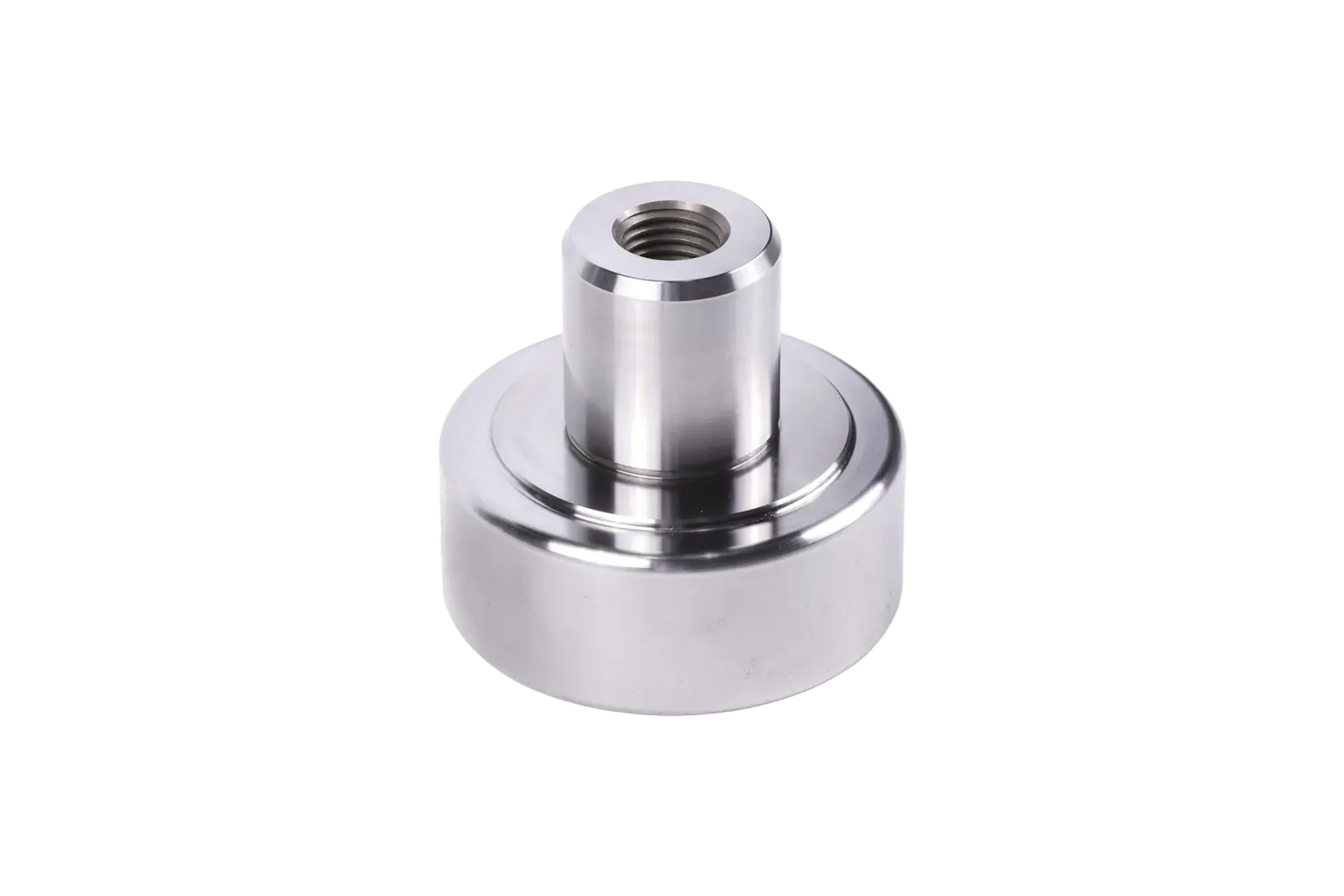
Description
Executive Summary
In the core of every high-speed machine tool, CNC mill, or precision grinder lies its most critical component: the High Performance Spindle Shaft. More than just a rotating bar, it is the engineered heart that directly translates power into precision. This component dictates the limits of a machine’s speed, accuracy, rigidity, and reliability. For engineers and procurement specialists in demanding fields like aerospace, automotive, and advanced manufacturing, selecting the right spindle shaft is a foundational decision that impacts productivity, part quality, and total cost of ownership. This guide delves into the engineering, benefits, and selection criteria for premium spindle shafts, demonstrating why they are indispensable for competitive manufacturing.
1. The Critical Role of the Spindle Shaft
The spindle shaft is the central rotating axis that holds and drives the cutting tool or workpiece. In precision applications, its performance is non-negotiable. A High Performance Spindle Shaft is distinguished by its ability to maintain extreme rotational accuracy, withstand significant radial and axial loads, and operate at high speeds with minimal thermal growth and vibration. It is the direct link between the motor’s power and the tool’s action, making its integrity paramount to the entire machining process.
2. Engineering Excellence: Design & Material Innovation
Ningbo Dongpei’s High Performance Spindle Shaft is engineered from the ground up to meet the rigorous demands of modern industry. Our design philosophy integrates superior materials with intelligent features.
-
Premium Material Construction: Fabricated from high-quality stainless steel, our shaft provides an optimal balance of top-tier strength and exceptional corrosion resistance. This material choice ensures long-term structural integrity and durability, even in harsh coolant environments or applications with extreme temperature fluctuations, outperforming alternatives like aluminum which may prioritize lightness over ultimate strength.
-
Precision-Machined Threaded End: The shaft interface is critical. Our precision-machined threaded end guarantees a firm and smooth integration with high-speed motors, machining centers, or other drive systems. This precise connection is essential for minimizing runout, reducing friction, and eliminating power loss, ensuring that every bit of motor torque is effectively transferred to the tool point.
-
Integrated Stability Features: A key design highlight is the innovative integrated base flange. This feature significantly optimizes stability and load distribution under high torque conditions. By providing a larger, more secure mounting footprint, it minimizes deflection and long-term wear on the shaft and its bearings, directly contributing to sustained accuracy over the spindle’s lifespan.
-
Advanced Cooling Support: Specially designed ports support integrated lubrication and cooling systems. This proactive thermal management is crucial for extending service life and maintaining reliability in demanding, continuous-operation applications, preventing heat-induced precision loss.
3. Technical Advantages & Performance Benefits
Investing in a high-grade spindle shaft delivers measurable returns across your manufacturing operations:
-
Enhanced Machining Accuracy: Superior straightness, balance, and interface precision result in lower vibration (NVH) and minimal tool runout. This translates directly to tighter part tolerances, improved surface finishes, and the ability to hold critical geometries.
-
Increased Rigidity & Stability: The robust stainless-steel construction and integrated flange design provide high static and dynamic stiffness. This allows for more aggressive machining parameters, reduces chatter, and enables the effective machining of hard materials like alloys and composites.
-
Extended Operational Lifespan: The combination of corrosion-resistant material, optimized thermal management, and reduced wear from stable mounting leads to dramatically increased durability. This reduces unplanned downtime, lowers maintenance frequency, and improves the overall return on investment for the entire spindle assembly.
-
Superior Power Transmission: The precise connection ensures efficient power transfer with minimal losses, allowing the spindle motor to perform at its peak potential and improving energy efficiency per part produced.
4. Industry Applications
This level of performance is essential for sectors where failure is not an option and precision is paramount:
-
Aerospace Manufacturing: For milling complex structural components from titanium and aluminum, drilling accurate fastener holes, and grinding critical engine parts, where extreme reliability and precision are mandatory.
-
High-Performance Automotive Systems: Used in machining engine blocks, transmission components, and high-precision racing parts that require exceptional speed and accuracy.
-
Advanced Manufacturing & CNC Machining Centers: The core component in high-speed machining (HSM) centers, mold and die making equipment, and precision grinders for producing tools, dies, and complex industrial parts.
-
Medical Device Production: Essential for machining intricate, high-tolerance components for surgical tools, implants, and diagnostic equipment from stainless steel and specialized alloys.
5. The Dongpei Advantage: Your Partner in Precision
Choosing Dongpei means more than buying a component; it’s partnering with a specialist in industrial engineering solutions.
-
Deep Industry Expertise: Our focus on delivering solutions for the most demanding applications informs every design and manufacturing decision we make.
-
Commitment to Quality: From material selection to final polishing and inspection, we adhere to stringent quality control protocols to ensure every High Performance Spindle Shaft meets its published specifications.
-
Customization & Support: We understand that standard solutions don’t always fit. Our professional technical team is ready to discuss customization options for specific applications. For detailed specifications or consultation, contact our experts at +86-13208095582 or marketing@nbdongpei.com.
6. Conclusion: The Foundation of Precision
The spindle shaft is the unsung hero of precision manufacturing. Its performance sets the ceiling for what your machinery can achieve. Opting for a generically sourced shaft can lead to bottlenecks in accuracy, speed, and reliability. In contrast, investing in a professionally engineered High Performance Spindle Shaft from a trusted supplier like Dongpei builds a foundation for superior part quality, increased throughput, and long-term machine tool health.
By prioritizing engineered excellence in this core component, you invest in the sustained competitiveness and capability of your manufacturing operations.
Ready to specify the high-performance heart for your machinery?
Explore the detailed specifications and learn more about how this component can elevate your equipment’s performance:
High Performance Spindle Shaft – Dongpei
For direct engineering consultation, custom quotes, or technical support:
-
Contact: Our Professional Engineering Team
-
Phone: +86-13208095582
-
Email: marketing@nbdongpei.com
Let us help you achieve the breakthrough performance your critical applications demand.
Heavy Duty Axle Shafts: The Workhorse Backbone of Heavy Machinery and Trucks
1. Introduction to Heavy Duty Axle Shafts
In the demanding worlds of heavy-duty trucking, construction, mining, and agriculture, equipment is pushed to its absolute limits. At the core of this performance lies a critical component that bears immense stress and torque: the Heavy Duty Axle Shaft. Far more robust than standard automotive axles, these are engineered components designed to transfer immense power from the differential to the wheels while supporting tremendous vehicle weight and enduring shock loads from rough terrain.
This guide explains what makes a true Heavy Duty Axle Shaft, its key engineering features, and why selecting the right one is crucial for safety, uptime, and total cost of ownership in commercial and industrial vehicle operations.
2. What is a Heavy Duty Axle Shaft?
An axle shaft (or drive axle) is a solid or semi-hollow steel shaft that connects the differential’s side gear to the driving wheel. In a Heavy Duty application, this component is subjected to extraordinary forces:
-
High Torque: Transmitting the full engine power, especially during low-speed, high-load operations like hauling or climbing.
-
Shear Stress: Resisting twisting forces under acceleration and deceleration.
-
Bending Loads: Supporting a significant portion of the vehicle’s gross vehicle weight (GVW) and payload.
-
Impact & Fatigue: Absorbing shocks from potholes, uneven job sites, and off-road conditions over millions of cycles.
A failure here doesn’t just stop a vehicle; it can cause catastrophic damage and create serious safety hazards. Therefore, a Heavy Duty Axle Shaft is built with a significant safety margin and durability far exceeding OEM passenger vehicle standards.
3. Core Engineering & Design Features
Manufacturers of premium heavy-duty axle shafts focus on several critical areas to ensure reliability:
-
Advanced Metallurgy & Forging: The highest quality shafts begin as alloy steel forgings (such as SAE 4340 or similar grades). Forging aligns the metal grain structure for superior strength, toughness, and fatigue resistance compared to cast or fabricated alternatives. The exact alloy composition and heat treatment (hardening and tempering) are precisely controlled to achieve the optimal balance of surface hardness and core ductility.
-
Precision Machining & Splining: The shaft ends are machined to exact tolerances. The splines—the gear-like teeth that engage with the differential and wheel hub—are precision-cut, often using a process like broaching or hobbing, followed by shot peening to enhance surface strength and prevent stress cracks. Proper spline fit is vital for smooth power transfer and long life.
-
Critical Geometry & Surface Treatments:
-
Journal Surfaces: Areas that ride on bearings are ground to a mirror-like finish to minimize friction and wear.
-
Flange Design: The wheel mounting flange is engineered for maximum rigidity to prevent warping under load, ensuring proper wheel alignment and stud integrity.
-
Coatings: Phosphate or other corrosion-resistant coatings are often applied to protect against rust, especially important for vehicles exposed to road salts or wet environments.
-
4. Key Applications: Where Heavy Duty Axles are Essential
These components are the backbone of industries that move the world:
-
Class 7 & 8 Commercial Trucks: Long-haul semis, dump trucks, and concrete mixers that carry maximum legal loads.
-
Mining & Quarry Equipment: Heavy-duty haul trucks, loaders, and drills operating in the most abrasive and punishing environments.
-
Construction Machinery: Excavators, bulldozers, and heavy mobile cranes.
-
Agricultural Equipment: High-horsepower tractors, combines, and forage harvesters.
-
Specialty & Performance Vehicles: Severe-service vehicles like fire trucks, military transports, and ultra-high-performance off-road racing trucks.
5. Failure Modes & The Importance of Quality
Understanding how axle shafts fail underscores the need for quality:
-
Twisting/Snap: Caused by instantaneous torque overload (e.g., wheel hop or getting stuck). A quality shaft is designed to bend slightly before a brittle snap.
-
Spline Stripping/Wear: Results from poor-quality spline machining, improper heat treatment (too soft), or incorrect installation.
-
Bearing Journal Wear: Accelerated by poor surface finish or contamination, leading to bearing failure and potential shaft seizure.
-
Fatigue Fracture: The most common failure, starting as a microscopic crack from cyclic stress that grows over time until the shaft breaks. Premium metallurgy and shot peening dramatically improve fatigue life.
6. Selection Guide: Choosing the Right Heavy Duty Axle Shaft
Replacing or upgrading an axle shaft is a major decision. Here is a framework to ensure you select the correct, high-quality component.
| Selection Criteria | Key Questions & Considerations | Why It Matters |
|---|---|---|
| Vehicle/Application Fit | What is the exact make, model, axle model (e.g., Dana, Meritor, Rockwell), and year? Is this for on-highway, off-road, or severe service? | Ensures physical compatibility with the existing differential, bearings, and wheel hub. Duty cycle dictates the necessary strength margin. |
| Material & Process | Is the shaft made from forged alloy steel? What is the specified yield and tensile strength? Is it heat-treated? | Forged alloy steel provides the highest strength-to-weight ratio and fatigue life. Verified material specs are non-negotiable. |
| Manufacturing Quality | What is the precision of the spline machining? Are critical surfaces ground? Is shot peening specified? | Precision machining ensures proper fit and load distribution. Shot peening can increase fatigue strength by up to 50%. |
| Brand Reputation & Warranty | Does the manufacturer specialize in heavy-duty components? What is the warranty coverage? Is technical support available? | A reputable brand with a strong warranty stands behind its product’s performance in real-world conditions. |
| Certifications & Testing | Does the product meet or exceed OEM specifications? Are there any independent test reports (e.g., for fatigue cycles)? | Provides objective evidence of performance and reliability beyond marketing claims. |
Professional Installation is Critical: Even the best axle shaft will fail if installed incorrectly. Always use a calibrated torque wrench on flange nuts, ensure proper bearing preload, and use the correct lubricant.
7. Conclusion: An Investment in Uptime and Safety
The Heavy Duty Axle Shaft is a classic case where the true cost is not just the price of the part, but the cost of failure—downtime, tow trucks, lost revenue, and safety risks. For fleet managers, equipment owners, and technicians, specifying a premium axle shaft from a trusted manufacturer is a strategic investment in vehicle reliability and operational efficiency.
By prioritizing forged construction, precision manufacturing, and verified material quality, you are not just replacing a part; you are upgrading the driveline’s most critical link to withstand the demands of your business.
Disclaimer: This guide is for informational purposes. Always consult the vehicle OEM service manual and a qualified heavy-duty technician for specific application, installation, and safety information.
For detailed specifications, application charts, and to explore options for your specific heavy-duty needs, visit the official product page:
Heavy Duty Axle Shaft – Dongpei
Consulting with a knowledgeable supplier who understands heavy-duty drivelines is the best first step to ensuring you get the right part for the job.
Industrial-Grade Stainless Steel Components: The Foundation of Durability & Reliability
Introduction: The Benchmark for Industrial Performance
In sectors where failure is not an option—from chemical processing and offshore platforms to food production and pharmaceutical manufacturing—material selection is a critical engineering decision. Industrial-Grade Stainless Steel Components represent the gold standard for applications demanding superior strength, exceptional corrosion resistance, and long-term hygienic or structural integrity. This guide delves into the specifications, benefits, and applications of these premium components, explaining why they are a vital investment for engineers and procurement specialists focused on lifecycle cost and operational safety.
What Defines an “Industrial-Grade” Stainless Component?
The term “industrial-grade” signifies a component manufactured to meet or exceed the rigorous performance requirements of commercial and industrial environments, as opposed to lighter-duty consumer or architectural grades. For stainless steel, this definition is built on three pillars:
-
Material Specification: True Industrial Grade Stainless Steel Components are crafted from specific, high-performance alloys. While AISI 304 is the versatile “workhorse,” AISI 316/L (with molybdenum) is the industry standard for superior chloride and acid resistance. For extreme conditions, super-austenitic (e.g., 904L), duplex (e.g., 2205), and martensitic (e.g., 410, 416) steels are specified for their enhanced strength and specialized corrosion properties.
-
Manufacturing Precision & Consistency: Industrial-grade implies controlled, repeatable manufacturing processes. This includes precision machining or forging to tight tolerances, consistent heat treatment (annealing, quenching, tempering) for optimal grain structure, and validated mechanical properties (tensile strength, yield strength, hardness) per international standards (ASTM, ASME, DIN).
-
Traceability & Certification: Components are supplied with full material traceability, including Mill Test Certificates (MTCs) or Certificates of Conformity (CoC). This documentation verifies the alloy’s chemical composition, mechanical properties, and heat treatment batch, which is non-negotiable for quality control, safety audits, and regulatory compliance in industries like oil & gas or pharmaceuticals.
Key Properties & Advantages Over Standard Grades
The value of specifying industrial-grade stainless lies in its measurable performance advantages:
-
Superior Corrosion Resistance: Industrial alloys like 316/L offer significantly better resistance to pitting and crevice corrosion from chlorides, acids, and industrial chemicals. This drastically extends service life in harsh environments, reducing replacement frequency and maintenance costs.
-
Enhanced Mechanical Strength: Through controlled processing, these components achieve higher and more consistent yield and tensile strengths. This allows for designs with potentially thinner walls (saving weight and material) or provides a greater safety factor for high-pressure or load-bearing applications.
-
High-Temperature & Cryogenic Performance: Specific grades retain their strength and oxidation resistance at elevated temperatures or maintain ductility and toughness at very low temperatures, making them suitable for heat exchangers, exhaust systems, or LNG facilities.
-
Hygienic & Cleanability: The non-porous, smooth surface of properly finished stainless steel is easy to clean and sterilize, preventing bacterial growth. This is essential for food & beverage processing, pharmaceutical manufacturing, and medical device applications, often requiring specific finishes like a #4 polish or electropolishing.
-
Long-Term Cost-Effectiveness (Lifecycle Cost): While the initial purchase price may be higher than carbon steel or lower-grade stainless, the dramatically longer service life, reduced maintenance, and avoidance of contamination or failure-related downtime result in a lower total cost of ownership.
Common Industrial Applications
The use of Industrial Grade Stainless Steel Components is ubiquitous across critical sectors:
-
Chemical & Petrochemical Processing: Valves, pumps, pipe fittings, reactor vessels, and heat exchanger tubes handling corrosive media.
-
Oil & Gas (Onshore/Offshore): Downhole tools, wellhead components, fasteners, and piping systems exposed to sour gas (H₂S) and seawater.
-
Food, Beverage & Pharmaceutical (FDA-Compliant): Processing tanks, piping, valves, mixers, and work surfaces where hygiene and corrosion resistance are paramount.
-
Water & Wastewater Treatment: Screens, filters, aerators, and piping that withstand continuous exposure to water and treatment chemicals.
-
Marine & Offshore: Hardware, railings, and propulsion components exposed to saltwater spray and atmospheric corrosion.
-
Architectural & Structural (Heavy-Duty): For bridges, façades, or structures in coastal or high-pollution environments where longevity and appearance are critical.
Selection Guide: Choosing the Right Grade & Supplier
Selecting the correct component requires a methodical approach. Follow this decision framework:
| Selection Criteria | Key Considerations | Why It Matters |
|---|---|---|
| Operating Environment | Chemical exposure (type, concentration, temperature), presence of chlorides, pH levels, operating temperature range. | Dictates the minimum required alloy composition (e.g., 316 vs. 304, or need for a super-duplex grade). |
| Mechanical & Physical Requirements | Required strength (yield/tensile), hardness, wear resistance, magnetic permeability needs, thermal conductivity. | Determines the appropriate grade family (austenitic, duplex, martensitic) and necessary heat treatment. |
| Regulatory & Compliance | Industry-specific standards (ASME BPE for pharma, 3-A for dairy), pressure vessel codes, FDA or NSF certification for food contact. | Mandatory for legal operation and safety in regulated industries. The supplier must understand these requirements. |
| Fabrication & Finish | Weldability, machinability requirements, and required surface finish (e.g., Ra value for cleanability, passivation). | Affects manufacturing cost and final performance. A polished finish may be needed for hygiene; passivation is crucial for corrosion resistance. |
| Supplier Capability | Can they provide full material traceability (MTCs)? Do they offer the required precision machining or fabrication? What is their quality control process? | Ensures you receive a component that matches your specification exactly and performs as expected. A reputable supplier is a partner in reliability. |
Critical Question for Your Supplier: “Can you provide a full Mill Test Certificate for the raw material used in this component?” A credible supplier of true industrial-grade materials will always answer “yes.”
Conclusion: Investing in Certified Quality
Specifying Industrial Grade Stainless Steel Components is a strategic decision that prioritizes long-term performance, safety, and operational efficiency over short-term cost savings. In demanding applications, the quality of these components directly impacts system integrity, product purity, and environmental safety.
Partnering with a knowledgeable and certified supplier who provides fully traceable materials and understands the nuances of industrial applications is the most important step in the specification process. It ensures that the inherent benefits of stainless steel are fully realized in your equipment, delivering reliability where it matters most.
Disclaimer: This guide is for informational purposes. Material selection for critical applications should always be made in consultation with a qualified materials engineer, considering all specific service conditions and relevant codes and standards.
For detailed information on specific alloys, available component forms, and manufacturing capabilities, please visit the official product page:
Industrial Grade Stainless Steel Component – Dongpei
A direct conversation with a technical sales engineer is highly recommended to match the perfect grade and component to your unique application requirements.