Description
1. Introduction to Heavy Duty Axle Shafts
In the demanding worlds of heavy-duty trucking, construction, mining, and agriculture, equipment is pushed to its absolute limits. At the core of this performance lies a critical component that bears immense stress and torque: the Heavy Duty Axle Shaft. Far more robust than standard automotive axles, these are engineered components designed to transfer immense power from the differential to the wheels while supporting tremendous vehicle weight and enduring shock loads from rough terrain.
This guide explains what makes a true Heavy Duty Axle Shaft, its key engineering features, and why selecting the right one is crucial for safety, uptime, and total cost of ownership in commercial and industrial vehicle operations.
2. What is a Heavy Duty Axle Shaft?
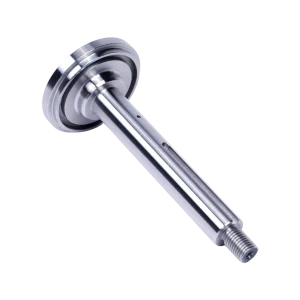
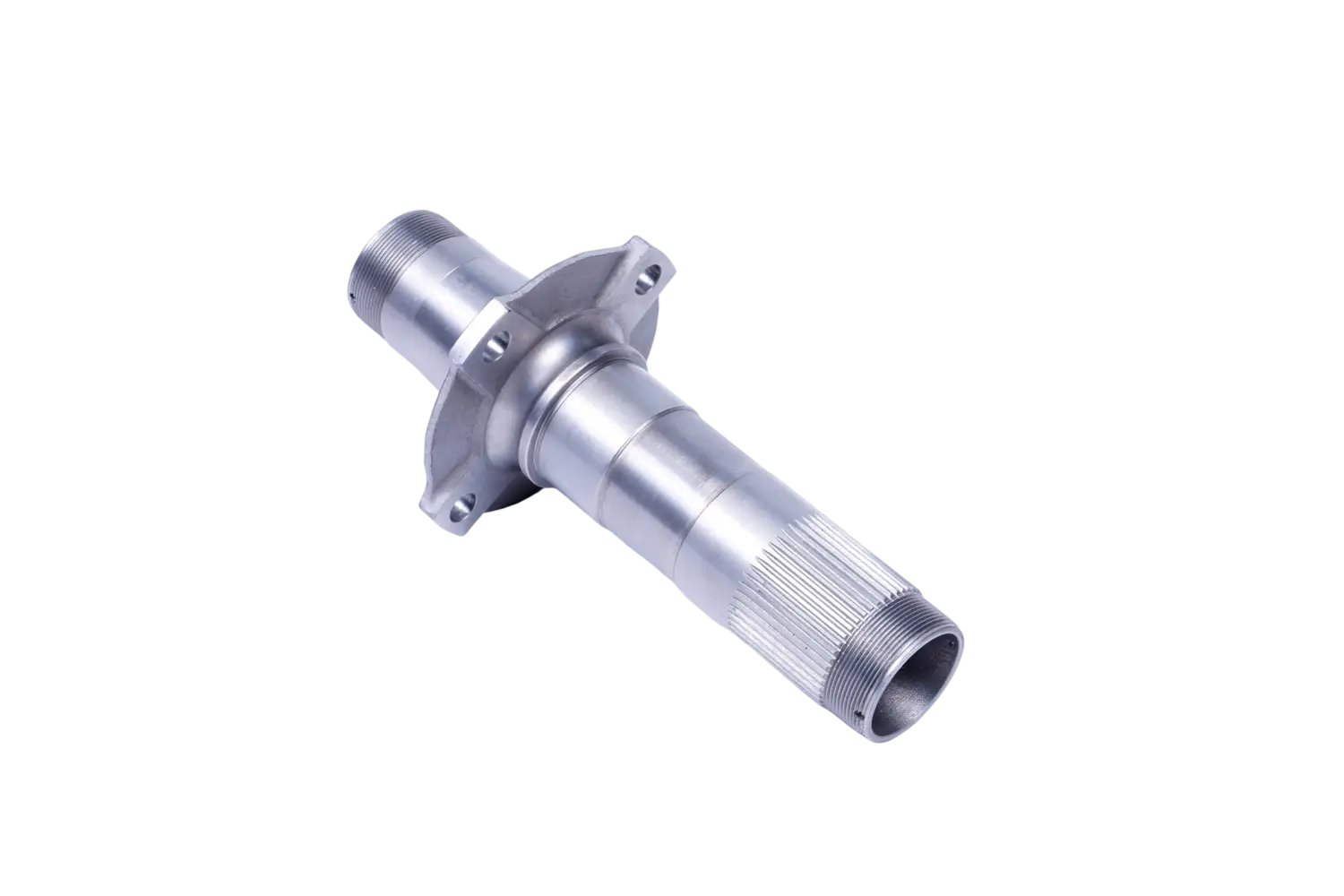
An axle shaft (or drive axle) is a solid or semi-hollow steel shaft that connects the differential’s side gear to the driving wheel. In a Heavy Duty application, this component is subjected to extraordinary forces:
-
High Torque: Transmitting the full engine power, especially during low-speed, high-load operations like hauling or climbing.
-
Shear Stress: Resisting twisting forces under acceleration and deceleration.
-
Bending Loads: Supporting a significant portion of the vehicle’s gross vehicle weight (GVW) and payload.
-
Impact & Fatigue: Absorbing shocks from potholes, uneven job sites, and off-road conditions over millions of cycles.
A failure here doesn’t just stop a vehicle; it can cause catastrophic damage and create serious safety hazards. Therefore, a Heavy Duty Axle Shaft is built with a significant safety margin and durability far exceeding OEM passenger vehicle standards.
3. Core Engineering & Design Features
Manufacturers of premium heavy-duty axle shafts focus on several critical areas to ensure reliability:
-
Advanced Metallurgy & Forging: The highest quality shafts begin as alloy steel forgings (such as SAE 4340 or similar grades). Forging aligns the metal grain structure for superior strength, toughness, and fatigue resistance compared to cast or fabricated alternatives. The exact alloy composition and heat treatment (hardening and tempering) are precisely controlled to achieve the optimal balance of surface hardness and core ductility.
-
Precision Machining & Splining: The shaft ends are machined to exact tolerances. The splines—the gear-like teeth that engage with the differential and wheel hub—are precision-cut, often using a process like broaching or hobbing, followed by shot peening to enhance surface strength and prevent stress cracks. Proper spline fit is vital for smooth power transfer and long life.
-
Critical Geometry & Surface Treatments:
-
Journal Surfaces: Areas that ride on bearings are ground to a mirror-like finish to minimize friction and wear.
-
Flange Design: The wheel mounting flange is engineered for maximum rigidity to prevent warping under load, ensuring proper wheel alignment and stud integrity.
-
Coatings: Phosphate or other corrosion-resistant coatings are often applied to protect against rust, especially important for vehicles exposed to road salts or wet environments.
-
4. Key Applications: Where Heavy Duty Axles are Essential
These components are the backbone of industries that move the world:
-
Class 7 & 8 Commercial Trucks: Long-haul semis, dump trucks, and concrete mixers that carry maximum legal loads.
-
Mining & Quarry Equipment: Heavy-duty haul trucks, loaders, and drills operating in the most abrasive and punishing environments.
-
Construction Machinery: Excavators, bulldozers, and heavy mobile cranes.
-
Agricultural Equipment: High-horsepower tractors, combines, and forage harvesters.
-
Specialty & Performance Vehicles: Severe-service vehicles like fire trucks, military transports, and ultra-high-performance off-road racing trucks.
5. Failure Modes & The Importance of Quality
Understanding how axle shafts fail underscores the need for quality:
-
Twisting/Snap: Caused by instantaneous torque overload (e.g., wheel hop or getting stuck). A quality shaft is designed to bend slightly before a brittle snap.
-
Spline Stripping/Wear: Results from poor-quality spline machining, improper heat treatment (too soft), or incorrect installation.
-
Bearing Journal Wear: Accelerated by poor surface finish or contamination, leading to bearing failure and potential shaft seizure.
-
Fatigue Fracture: The most common failure, starting as a microscopic crack from cyclic stress that grows over time until the shaft breaks. Premium metallurgy and shot peening dramatically improve fatigue life.
6. Selection Guide: Choosing the Right Heavy Duty Axle Shaft
Replacing or upgrading an axle shaft is a major decision. Here is a framework to ensure you select the correct, high-quality component.
| Selection Criteria | Key Questions & Considerations | Why It Matters |
|---|---|---|
| Vehicle/Application Fit | What is the exact make, model, axle model (e.g., Dana, Meritor, Rockwell), and year? Is this for on-highway, off-road, or severe service? | Ensures physical compatibility with the existing differential, bearings, and wheel hub. Duty cycle dictates the necessary strength margin. |
| Material & Process | Is the shaft made from forged alloy steel? What is the specified yield and tensile strength? Is it heat-treated? | Forged alloy steel provides the highest strength-to-weight ratio and fatigue life. Verified material specs are non-negotiable. |
| Manufacturing Quality | What is the precision of the spline machining? Are critical surfaces ground? Is shot peening specified? | Precision machining ensures proper fit and load distribution. Shot peening can increase fatigue strength by up to 50%. |
| Brand Reputation & Warranty | Does the manufacturer specialize in heavy-duty components? What is the warranty coverage? Is technical support available? | A reputable brand with a strong warranty stands behind its product’s performance in real-world conditions. |
| Certifications & Testing | Does the product meet or exceed OEM specifications? Are there any independent test reports (e.g., for fatigue cycles)? | Provides objective evidence of performance and reliability beyond marketing claims. |
Professional Installation is Critical: Even the best axle shaft will fail if installed incorrectly. Always use a calibrated torque wrench on flange nuts, ensure proper bearing preload, and use the correct lubricant.
7. Conclusion: An Investment in Uptime and Safety
The Heavy Duty Axle Shaft is a classic case where the true cost is not just the price of the part, but the cost of failure—downtime, tow trucks, lost revenue, and safety risks. For fleet managers, equipment owners, and technicians, specifying a premium axle shaft from a trusted manufacturer is a strategic investment in vehicle reliability and operational efficiency.
By prioritizing forged construction, precision manufacturing, and verified material quality, you are not just replacing a part; you are upgrading the driveline’s most critical link to withstand the demands of your business.
Disclaimer: This guide is for informational purposes. Always consult the vehicle OEM service manual and a qualified heavy-duty technician for specific application, installation, and safety information.
For detailed specifications, application charts, and to explore options for your specific heavy-duty needs, visit the official product page:
Heavy Duty Axle Shaft – Dongpei