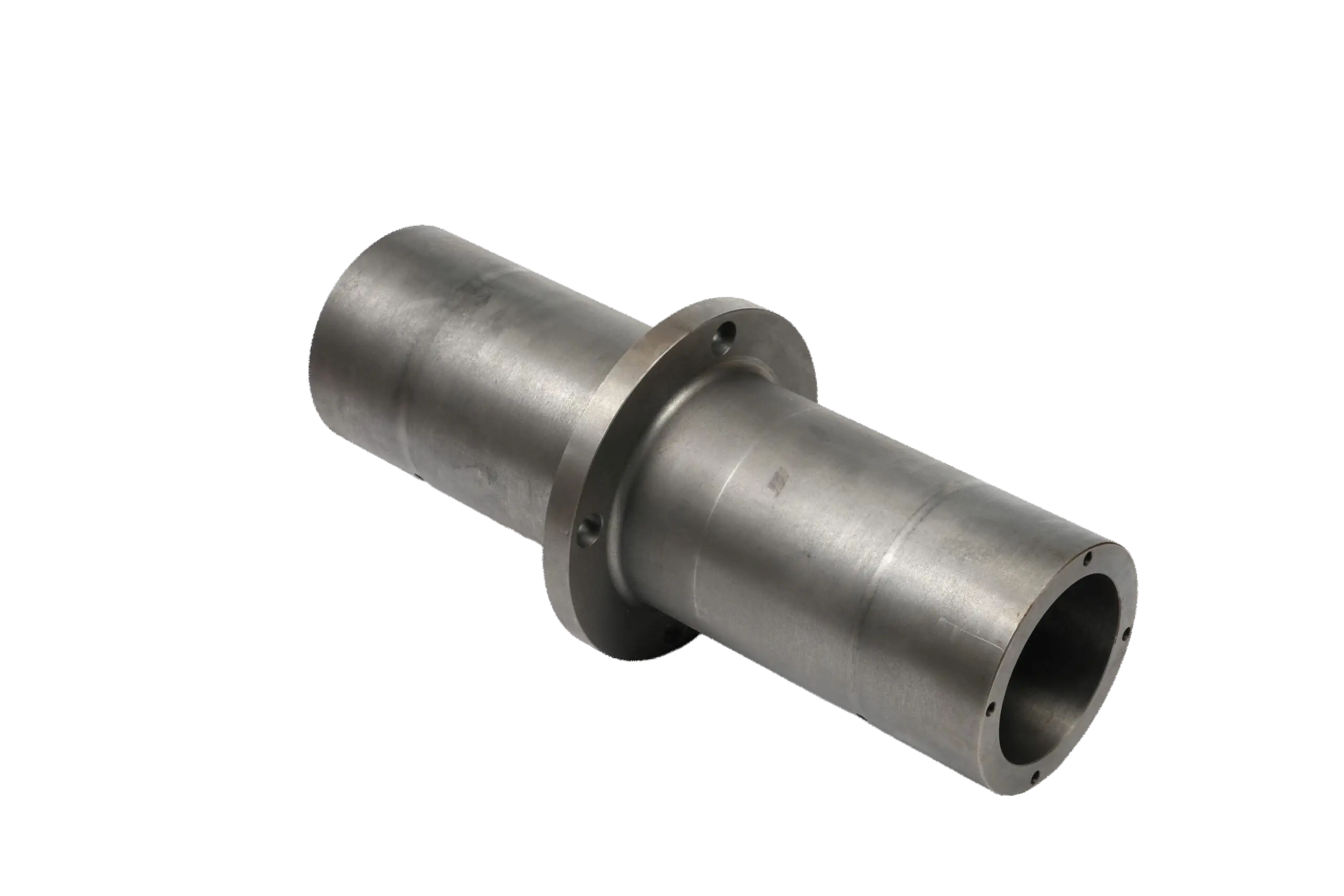
Description
Introduction: The Heart of Every Reliable Power Transmission Link
In the interconnected world of rotating machinery, from high-speed turbines to precision machine tools, the coupling is the critical component that transfers power and accommodates misalignment between two shafts. At the core of many high-performance coupling systems lies the coupling sleeve—a deceptively simple yet vitally important component. When this sleeve is precision machined, it transforms from a basic part into an engineered element that guarantees alignment, balance, and longevity. This guide is designed for engineers and procurement specialists seeking to identify and partner with world-class Precision Machined Coupling Sleeve Manufacturers. We will explore the technical specifications that define quality, the manufacturing processes that ensure it, and the critical evaluation criteria for selecting a supplier that can be a true extension of your engineering team.
What is a Precision Machined Coupling Sleeve?
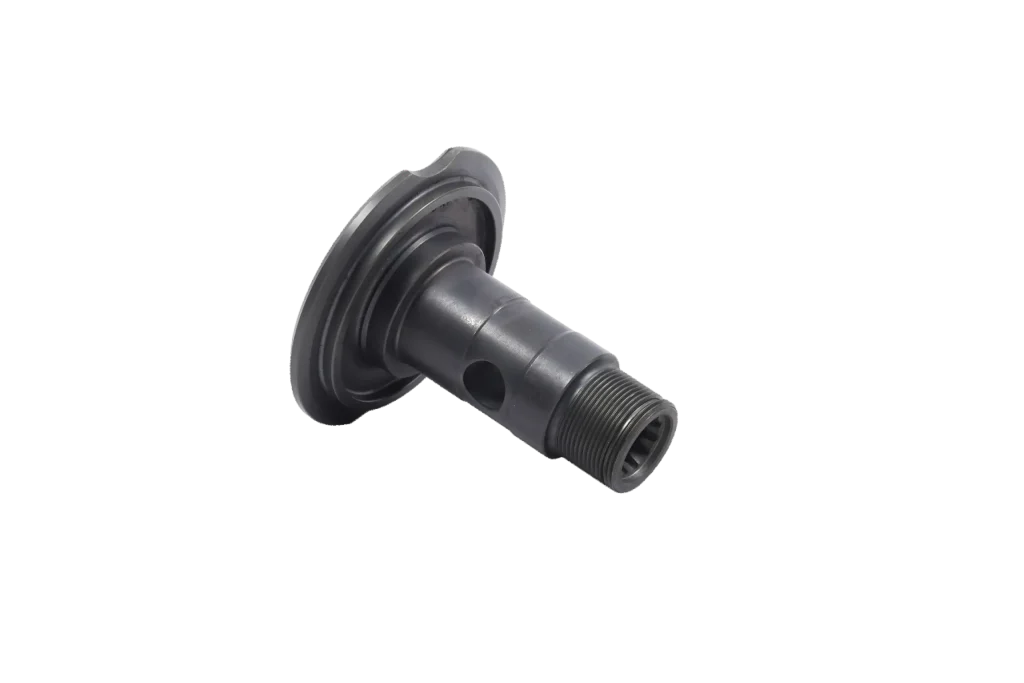
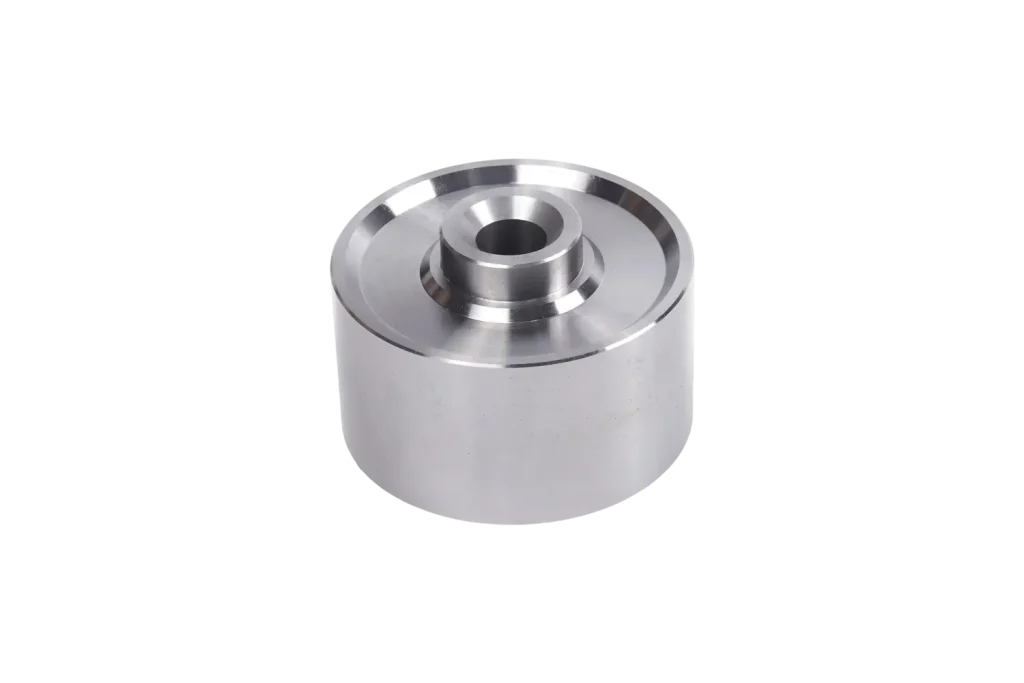
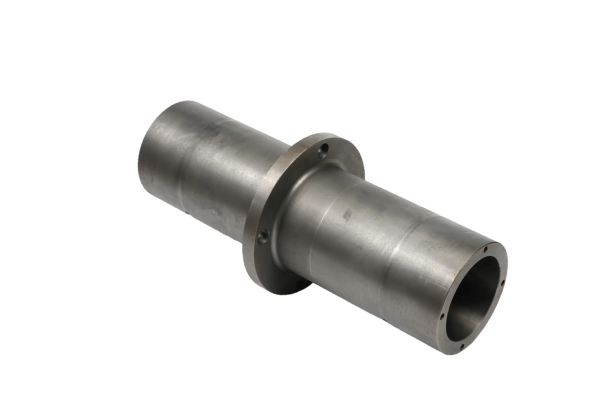
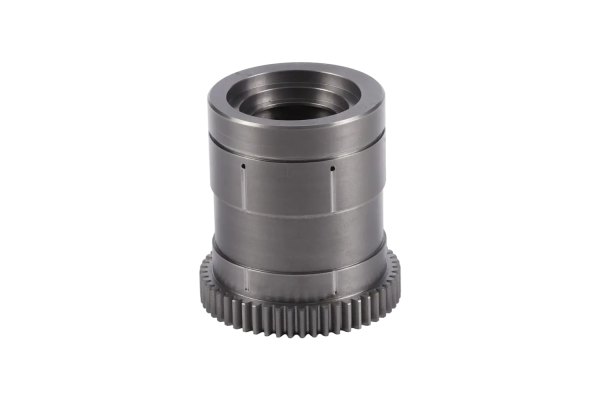
A coupling sleeve is a cylindrical component, often with internal splines, gears, or a tapered bore, that fits over the ends of two shafts to join them together within a coupling assembly. Its primary functions are to:
-
Transmit Torque: Securely connect the shafts to transfer rotational power.
-
Maintain Alignment: Ensure the connected shafts rotate on a common axis.
-
Facilitate Assembly/Disassembly: Allow for the connection and separation of shafts and coupling halves without damaging them.
The term “Precision Machined” signifies that this sleeve is manufactured using advanced CNC (Computer Numerical Control) equipment to achieve:
-
Extremely Tight Tolerances: Often within ±0.0005 inches (±0.0127 mm) on critical diameters and bore features.
-
Exceptional Surface Finish: A smooth, consistent finish (specified by Ra value) to minimize friction, wear, and stress concentrations.
-
Perfect Geometric Accuracy: High levels of concentricity, roundness, and parallelism to ensure smooth, vibration-free operation.
Technical Specifications and Manufacturing Excellence
The performance of a coupling sleeve is defined by its specifications and how it is made.
1. Critical Design Parameters:
-
Bore Type & Specifications: The internal connection is key. This can be a straight bore with a keyway, a splined bore (involute or straight-sided), or a tapered bore with a locking device. The fit class (e.g., ANSI B4.1 for cylindrical fits) must be specified.
-
Material Selection: The choice of material dictates strength, wear resistance, and weight.
-
Alloy Steels (4140, 4340): The standard for high-strength, general-purpose applications. Often heat-treated.
-
Stainless Steels (304, 316, 17-4 PH): For corrosive environments or applications requiring cleanliness (e.g., food & pharmaceutical).
-
Aluminum Alloys (6061-T6, 7075-T6): For applications where minimizing rotational inertia is critical, such as high-speed spindles or robotics.
-
-
Dynamic Balance: For high-speed applications (typically > 1000 RPM), the sleeve must be dynamically balanced to a specific grade (e.g., ISO 1940 G2.5, G1.0) to prevent destructive vibration.
2. Advanced Manufacturing Processes:
-
CNC Turning & Milling: Multi-axis CNC lathes and machining centers create the external dimensions and complex internal features with repeatable accuracy.
-
Gear Hobbing & Spline Machining: Specialized processes for cutting precise internal or external splines and gear teeth that form the torque-transmitting interface.
-
Grinding & Honing: Used to achieve the tightest tolerances and finest surface finishes on hardened materials, particularly on bore diameters.
-
Heat Treatment & Surface Enhancement:
-
Through-Hardening or Case Hardening: For wear resistance on bearing surfaces.
-
Shot Peening: To improve fatigue life by inducing compressive surface stresses.
-
Key Industries and Applications
Precision coupling sleeves are foundational in any application requiring reliable, high-fidelity power transmission:
-
Aerospace & Defense: In flight control systems, engine accessories, and rotor drives where failure is not an option.
-
High-Performance Automotive & Racing: For driveline couplings, supercharger drives, and data acquisition systems on dynamometers.
-
Industrial Robotics & Automation: In robotic arm joints and precision positioning stages where backlash must be minimized.
-
Machine Tool & CNC Machining: As part of spindle couplings, lead screw drives, and tool changer mechanisms.
-
Energy & Turbomachinery: In pumps, compressors, generators, and wind turbine gearboxes.
The Manufacturer Evaluation Framework
Selecting the right manufacturer is a critical engineering and business decision. Use this detailed framework to assess potential partners:
| Evaluation Criteria | Key Indicators & Questions for the Manufacturer | Impact on Your Project’s Success |
|---|---|---|
| Engineering & Design Support | Do they offer full DFM (Design for Manufacturability) analysis? Can they perform FEA (Finite Element Analysis) on custom designs? Do they have in-house CAD/CAM capability? | Prevents costly design flaws, optimizes the part for performance and cost, and enables true co-engineering. |
| Technical Capabilities & Equipment | What is their standard tolerance capability? Do they have in-house gear hobbing/spline machining? What balancing equipment do they use? | Determines if they can actually produce the precision you require. Lack of key equipment is a major red flag. |
| Quality Management & Certifications | Are they certified to ISO 9001:2015? For aerospace/medical, do they hold AS9100 or ISO 13485? What First Article Inspection (FAI) reports do they provide? | Certifications are objective proof of a systematic quality culture. Detailed FAI reports are your assurance of conformance. |
| Material Science & Processing | Can they provide material certifications (Mill Test Reports)? Do they control heat treatment in-house or through certified partners? | Guarantees the metallurgical properties match your design assumptions. This is non-negotiable for high-stress parts. |
| Industry Experience & References | Can they provide case studies or customer references from your specific sector (e.g., aerospace, high-speed automation)? | Demonstrates proven understanding of your industry’s unique challenges, standards, and failure modes. |
The Total Cost of Precision: A Strategic Perspective
While unit price is a factor, the Total Cost of Ownership (TCO) for a precision component tells the true story:
-
Cost of Failure: A coupling sleeve that fails can destroy connected equipment like bearings, seals, and shafts, leading to repairs that cost orders of magnitude more than the sleeve itself.
-
Cost of Downtime: Unplanned machine stoppage in a production environment can cost tens of thousands of dollars per hour.
-
Cost of Vibration & Inefficiency: An imbalanced or poorly machined sleeve causes vibration, leading to premature bearing failure, increased energy consumption, and poor product quality.
Investing in a manufacturer that guarantees precision through engineering and process control minimizes these hidden costs, delivering a vastly superior return on investment.
Conclusion: Your Partner in Rotational Integrity
The Precision Machined Coupling Sleeve is a linchpin of mechanical power transmission. Its quality directly determines the smoothness, efficiency, and reliability of the entire driveline.
Therefore, selecting its manufacturer is not a simple procurement activity; it is the establishment of a technical partnership. By choosing a partner with demonstrable engineering expertise, state-of-the-art manufacturing technology, and a culture of certified quality, you do more than purchase a part—you invest in the rotational integrity and uptime of your most valuable assets.
Ready to discuss your precision coupling sleeve requirements with an expert manufacturer?
To initiate a technical dialogue, prepare a detailed RFQ (Request for Quotation) including:
-
Fully Dimensioned Drawings with GD&T (Geometric Dimensioning and Tolerancing).
-
Material Specification (alloy, condition, heat treat).
-
Quantity Requirements (prototype, pilot run, annual volume).
For further information on capabilities, you can explore specialized manufacturers. The principles outlined in this guide will help you identify a partner capable of meeting the most stringent requirements for Precision Machined Coupling Sleeves.