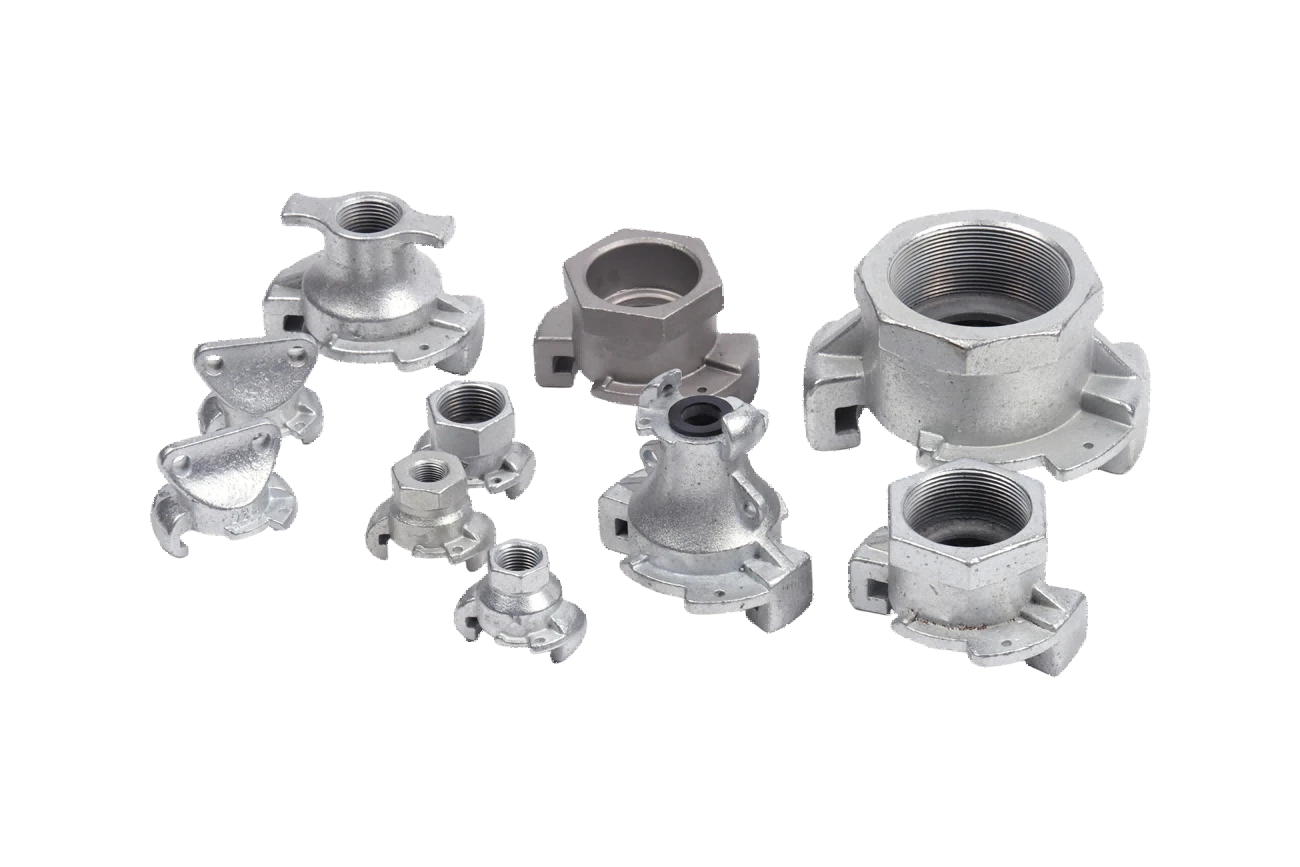
Description
Introduction: Mastering the Art of Secure, Leak-Free Connections
In the vast networks of hydraulic, pneumatic, coolant, and process piping that power modern industry, creating a secure, reliable, and leak-free connection between hoses, tubes, and fittings is a fundamental skill. Two of the most essential components for achieving this are Threaded Clamp Collars and Hose Coupling Adapters. While often small and seemingly simple, these components carry the critical responsibility of maintaining system integrity under pressure and vibration. This guide provides a comprehensive overview of these parts, explaining their functions, types, and best practices for selection and installation to ensure your fluid systems operate flawlessly.
What are Threaded Clamp Collars and Hose Coupling Adapters?
These are two distinct but often used-together components in fluid conveyance systems.
1. Threaded Clamp Collars:
A Threaded Clamp Collar (or hose clamp) is a device used to seal a hose onto a fitting, typically a barbed or serrated stem. The “threaded” type uses a screw mechanism to tighten a band around the hose, creating a compressive seal. They are the primary method for securing soft or semi-rigid hoses.
2. Hose Coupling Adapters:
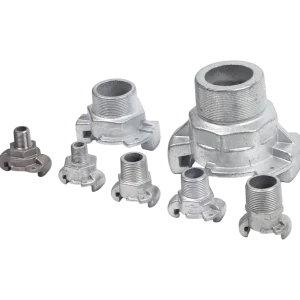
A Hose Coupling Adapter is a fitting that connects a hose to another component in the system. It adapts between different thread types, sizes, or connection standards. One end typically has a male or female thread (NPT, BSPP, SAE), and the other end is designed to accept a hose, often via a barbed stem for use with a clamp collar. They are the crucial interface that allows hoses to integrate into complex systems.
Core Types, Materials, and Specifications
Understanding the variations is key to proper selection.
Threaded Clamp Collars (Common Types):
-
Worm Drive Clamps: The most common type. A slotted band is tightened by a screw turning in a welded or stamped housing. Available in stainless steel (SS304, SS316) or galvanized steel.
-
Constant-Tension (Spring) Clamps: Use the inherent spring force of a band to maintain clamping pressure, compensating for hose swelling and contraction with temperature changes.
-
T-Bolt Clamps: Feature a heavy-duty band with a T-shaped bolt that threads into a captive nut. They provide extremely high clamping force for demanding industrial and automotive applications.
Hose Coupling Adapters (Key Features):
-
Thread Standards: Must match the system: NPT (American tapered), BSPT/BSPP (British), SAE J514 (ORFS, JIC), or Metric.
-
Adapter End Types:
-
Male Thread (M) to Hose Barb: For connecting a threaded port to a hose.
-
Female Thread (F) to Hose Barb: For connecting a threaded component to a hose.
-
Swivel Adapters: Incorporate a rotating nut to ease installation in tight spaces without twisting the hose.
-
-
Materials:
-
Steel (Zinc Plated, Black Oxide): Economical and strong for general industrial use.
-
Stainless Steel (304, 316): For corrosion resistance in food, chemical, marine, and outdoor applications.
-
Brass: Good corrosion resistance and non-sparking; common in plumbing and low-pressure systems.
-
Advantages and Best Practices for Reliable Connections
Using the right components correctly delivers significant benefits:
-
Leak Prevention: A properly sized clamp and adapter create a permanent, pressure-tight seal.
-
Vibration Resistance: The mechanical grip of a threaded clamp resists loosening from system vibration, a common cause of hose failure.
-
System Flexibility: Adapters allow for easy modification, repair, and connection between equipment from different manufacturers or standards.
-
Safety & Reliability: Prevents sudden hose blow-offs, protecting personnel and equipment from high-pressure fluid injection hazards.
Installation Best Practices:
-
Cut Hose Square: Use a sharp hose cutter to ensure the hose end is perfectly square for even sealing.
-
Select Correct Size: The clamp band width and diameter must be appropriate for the hose OD and pressure. The adapter barb must match the hose ID snugly.
-
Proper Positioning: Position the clamp approximately 1/8 inch (3mm) from the end of the hose, over the barb’s serrations.
-
Correct Tightening: Tighten a worm drive clamp until snug, then typically an additional 1/4 to 1/2 turn. Avoid over-tightening, which can cut the hose or strip the screw. Use a calibrated torque driver for T-bolt clamps.
-
Inspect Regularly: As part of routine maintenance, check clamps for corrosion, tightness, and any signs of hose deformation or leakage.
Key Industry Applications
These components are ubiquitous across all sectors that use fluid power:
-
Industrial Hydraulics & Pneumatics: Securing hoses on cylinders, valves, pumps, and manifolds.
-
Coolant & Process Lines: In machine tools, plastic injection molders, and chemical transfer systems.
-
Automotive & Transportation: For fuel, oil, coolant, and air lines in vehicles and heavy equipment.
-
Marine & Shipbuilding: Throughout engine rooms and deck machinery systems.
-
Agriculture & Irrigation: On tractors, sprayers, and water distribution systems.
Selection Guide: Ensuring Compatibility and Performance
A methodical selection process prevents leaks and failures.
| Selection Criteria | Key Questions & Parameters | Consequences of Error |
|---|---|---|
| Hose Specifications | What is the hose Inner Diameter (ID) and Outer Diameter (OD)? What is its maximum working pressure and temperature? | The adapter barb size is determined by hose ID. The clamp size is determined by hose OD and required clamping force. |
| System Thread Interface | What is the thread type, size, and gender (M/F) on the equipment you are connecting to? (e.g., 1/2″ NPT Male, M22x1.5 Female) | An adapter with the wrong thread will not connect, or will cross-thread and leak. |
| Operating Environment | Will the connection be exposed to weather, chemicals, saltwater, extreme heat/cold, or UV radiation? | Dictates material choice (e.g., stainless steel over zinc-plated steel for outdoors). |
| Clamp Type & Material | Is this for a low-pressure coolant line (worm drive) or a high-pressure hydraulic hose (T-bolt)? Does the fluid require chemical compatibility? | Using an under-rated clamp can lead to catastrophic hose blow-off. Incompatible materials can corrode rapidly. |
| Space Constraints | Is there enough radial space to fit a clamp and turn a screwdriver? Would a swivel adapter make installation easier? | May necessitate a low-profile clamp or a different adapter style. |
Conclusion: The Foundation of a Reliable Fluid System
Threaded Clamp Collars and Hose Coupling Adapters are the unsung heroes of industrial fluid systems. Their proper selection and installation are foundational to safety, efficiency, and leak-free operation. Viewing them as critical, specified components rather than generic hardware is the mark of a professional approach to system design and maintenance.
By applying the knowledge in this guide—matching materials to the environment, selecting the correct clamp for the pressure, and ensuring perfect thread compatibility—you build fluid systems that are as reliable as the pumps and valves they connect. It is a small investment in components that pays a massive dividend in operational peace of mind.
Looking for high-quality clamps and adapters for your application?
For a wide selection of industrial-grade components, visit the product page for specifications and availability:
Threaded Clamp Collars and Hose Coupling Adapters
Always consult with a fluid power specialist or the manufacturer if you are unsure about compatibility for critical high-pressure or safety-related applications. Proper installation tools and training are also recommended for best results.