Description
1. Introduction: The Critical Role of Precision in Flow Control
In the complex networks of pipes that power industries—from pharmaceutical processing and food production to semiconductor fabrication and high-purity chemical handling—every connection matters. A pipe reducer is a fundamental fitting designed to connect pipes of different diameters, facilitating a controlled transition in flow. However, in systems where contamination, pressure integrity, and corrosion resistance are paramount, a standard reducer is insufficient. This is where the Precision Machined Stainless Steel Pipe Reducer becomes indispensable. It is not merely a connector; it is an engineered component that ensures system integrity, optimizes flow dynamics, and meets the stringent hygienic and safety standards of modern industry.
2. What is a Precision Machined Stainless Steel Pipe Reducer?
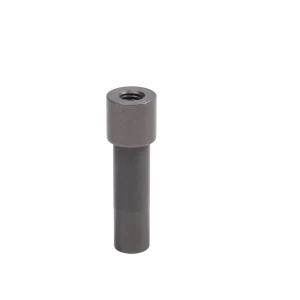
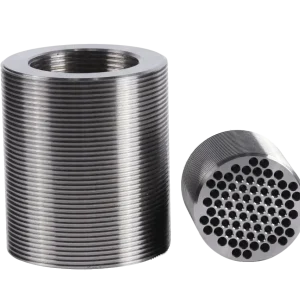
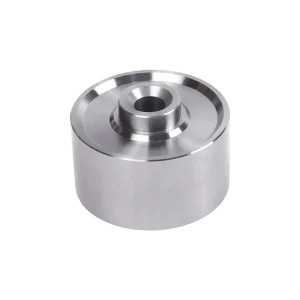
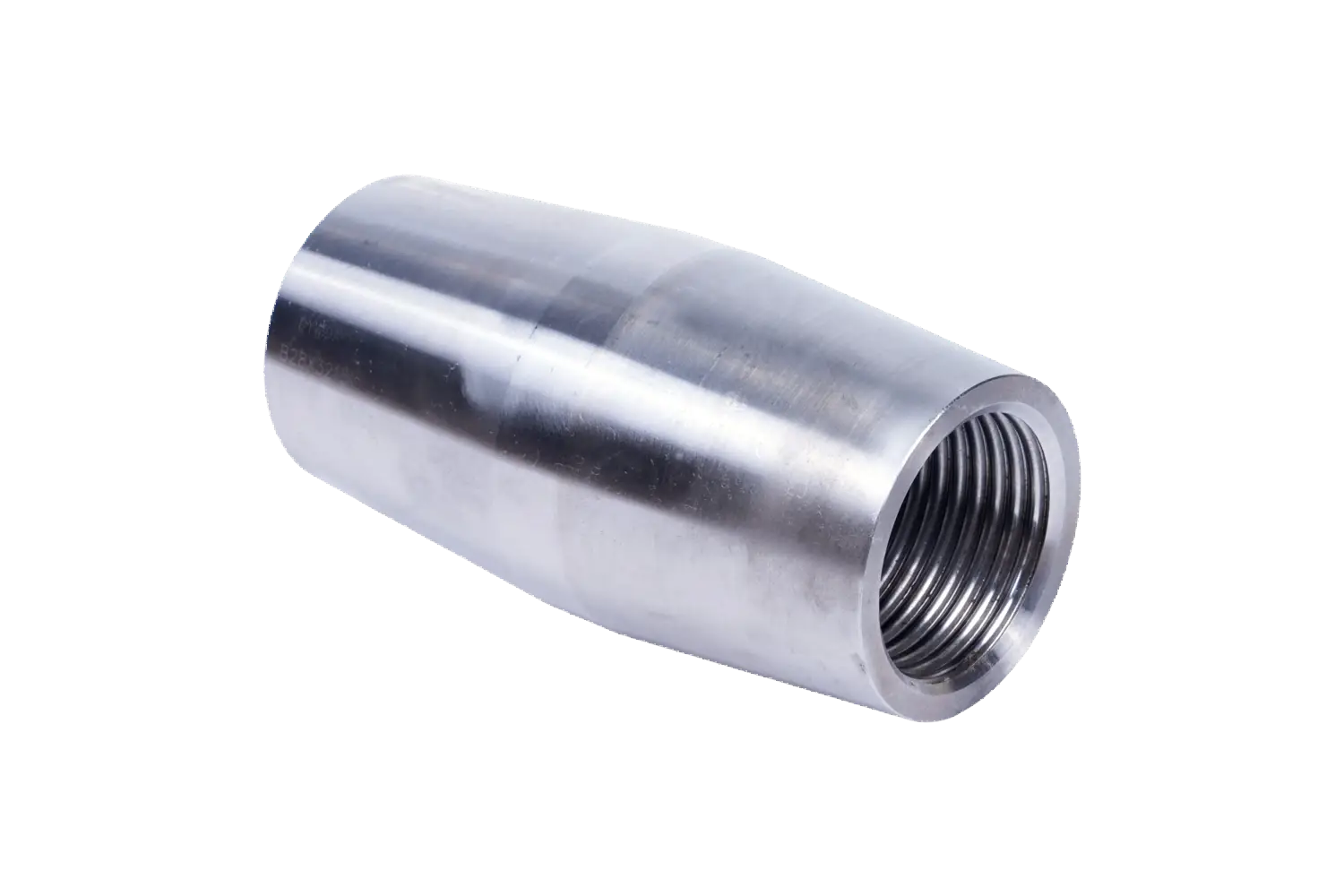
A Precision Machined Stainless Steel Pipe Reducer is a concentric or eccentric pipe fitting manufactured to exceptionally tight tolerances from high-grade stainless steel alloys. The term “precision machined” signifies that its critical surfaces—the internal bore, the external weld bevels, and the face ends—are finished using Computer Numerical Control (CNC) lathes or machining centers, not just formed. This process guarantees:
-
Perfect Dimensional Accuracy: Consistent inner diameter (ID) and outer diameter (OD) that match pipe specifications exactly, ensuring a proper fit.
-
Optimal Flow Path: A smooth, concentric internal transition that minimizes turbulence, pressure drop, and prevents areas where material could accumulate.
-
Superior Weld Preparation: Perfectly beveled ends ready for high-quality welding, ensuring full penetration and a strong, leak-proof joint.
3. Key Features and Technical Specifications
When sourcing a true precision reducer, these are the non-negotiable features to specify:
1. Material Grade & Certification:
-
Primary Alloys: ASTM A312 TP304/304L & TP316/316L are standard. 316/L offers superior chloride resistance. For ultra-high purity or corrosive service, grades like 316Ti or super duplex alloys may be used.
-
Certification: Material must be supplied with full traceability and Mill Test Certificates (MTCs) verifying chemical composition and mechanical properties.
2. Precision Machining Tolerances:
-
Wall Thickness: Maintained consistently throughout the transition zone.
-
Concentricity: The internal bore must be perfectly aligned center-to-center, especially critical for eccentric reducers used in pump suction lines to avoid air pockets.
-
Surface Finish: Internal surfaces can be machined to specific Ra (Roughness Average) values. For sanitary applications, an electropolished finish (often Ra ≤ 0.8 µm) is required to create a smooth, non-stick, corrosion-resistant surface.
3. Design & Manufacturing Standards:
-
Compliance: Manufactured to meet or exceed dimensions of ASME B16.9 (factory-made wrought fittings).
-
End Connections: Available with beveled ends for butt-weld (most common for precision systems), socket weld, or threaded ends.
4. Advantages Over Conventional Reducers
Investing in precision-machined components delivers clear operational benefits:
-
Enhanced System Integrity: Eliminates leaks and failures at connection points caused by poor fit-up or inconsistent wall thickness.
-
Improved Hygiene & Cleanability: A smooth, crevice-free internal surface prevents bacterial growth and allows for efficient Clean-in-Place (CIP) or Sterilize-in-Place (SIP) processes in food, beverage, and pharmaceutical industries.
-
Superior Corrosion Resistance: Precision machining removes surface imperfections that can become initiation points for pitting or crevice corrosion.
-
Reduced Turbulence & Pressure Loss: The engineered flow path maintains efficient fluid dynamics, saving energy and reducing wear on pumps.
-
Easier, Higher-Quality Welding: Accurate bevels and alignment allow welders to achieve perfect joints quickly, reducing labor costs and inspection rework.
5. Primary Industry Applications
These reducers are essential in any industry where fluid handling is critical to product quality or process safety:
-
Pharmaceutical & Biotech: In high-purity water (WFI, PW) systems, fermenters, and process piping where sterility and absence of contaminants are legally mandated.
-
Food & Beverage: For processing lines handling dairy, juices, sauces, and beers, requiring strict adherence to 3-A Sanitary Standards.
-
Semiconductor Manufacturing: In ultrapure chemical and gas delivery systems where even microscopic particles can ruin microchips.
-
Chemical & Petrochemical: Handling aggressive acids, solvents, and high-purity intermediates where corrosion resistance and leak integrity are safety issues.
-
Oil & Gas (High-Specification): In instrumentation lines, sample systems, and offshore platforms where reliability is critical.
6. Selection and Sourcing Guide
Use this framework to ensure you select the correct precision reducer for your application:
| Selection Criteria | Key Questions to Ask | Technical Implications |
|---|---|---|
| Fluid Service | What is the chemical composition, temperature, and pressure? Is it sanitary? | Determines the required stainless steel grade (304 vs 316) and necessary surface finish (mill finish vs electropolish). |
| Pipe System Specifications | What is the exact pipe schedule (SCH 10S, 40S, 80S) and nominal diameter (NPS) for both sides? | Ensures dimensional compatibility. Precision machining should match the pipe’s ID/OD precisely. |
| Regulatory Requirements | Does the application require compliance with 3-A, FDA, USP Class VI, or ASME BPE standards? | Mandates specific documentation, material certs, and finish validations from the supplier. |
| Connection Type | Is the system butt-weld, socket weld, or threaded? | Butt-weld is preferred for most precision/hygienic systems for a smooth, flush connection. |
| Supplier Capability | Can the supplier provide full material traceability (MTCs)? Do they have in-house CNC machining for true precision? | Separates true precision manufacturers from distributors of standard stock. Ask for inspection reports. |
7. Conclusion: Precision as the Foundation of Reliability
In critical piping systems, the cost of failure—whether from contamination, downtime, or safety incidents—far outweighs the marginal additional investment in precision-engineered components. A Precision Machined Stainless Steel Pipe Reducer is a foundational element that upholds the integrity of the entire system.
By specifying components with certified materials, exacting tolerances, and finishes suited to the service, engineers and procurement professionals build in reliability from the ground up. Partnering with a supplier who understands the machining and certification requirements of high-integrity industries is the final, crucial step in ensuring performance.
Disclaimer: This guide is for informational purposes. For specific applications, always consult relevant codes (ASME, FDA, 3-A) and engage with qualified engineering professionals.
For detailed specifications, available grades, sizes, and finishes, visit the official product page:
Precision Machined Stainless Steel Pipe Reducer – Dongpei
To discuss a specific application or request a quote for a custom-machined fitting, contact a supplier with demonstrated expertise in precision machining and sanitary fluid handling components.