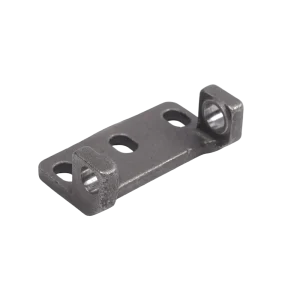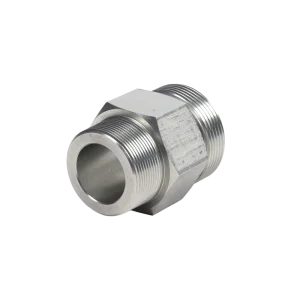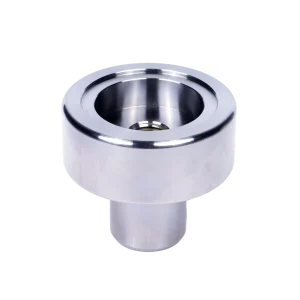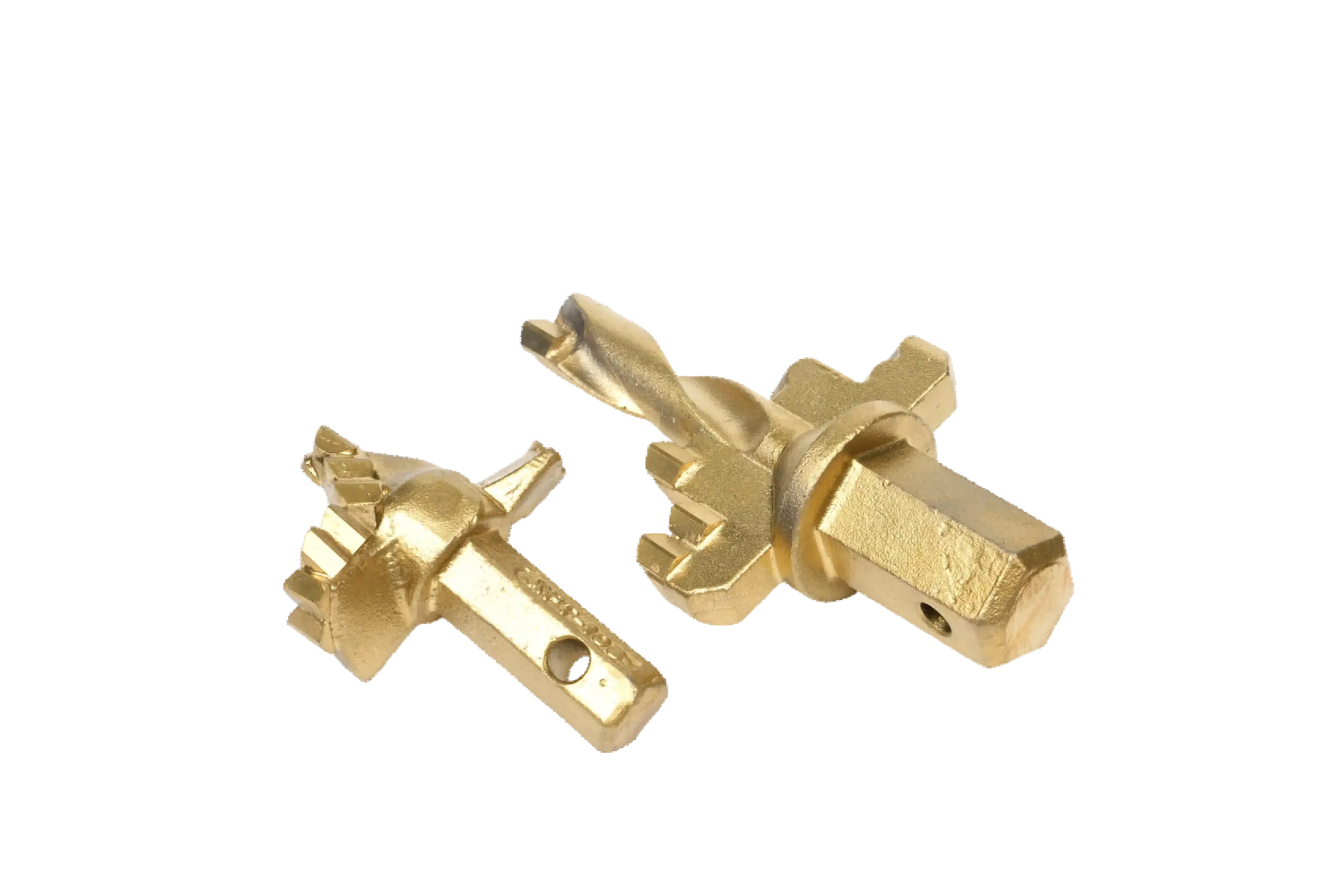
Description
1. Introduction: The Unsung Hero of Drivetrain Systems
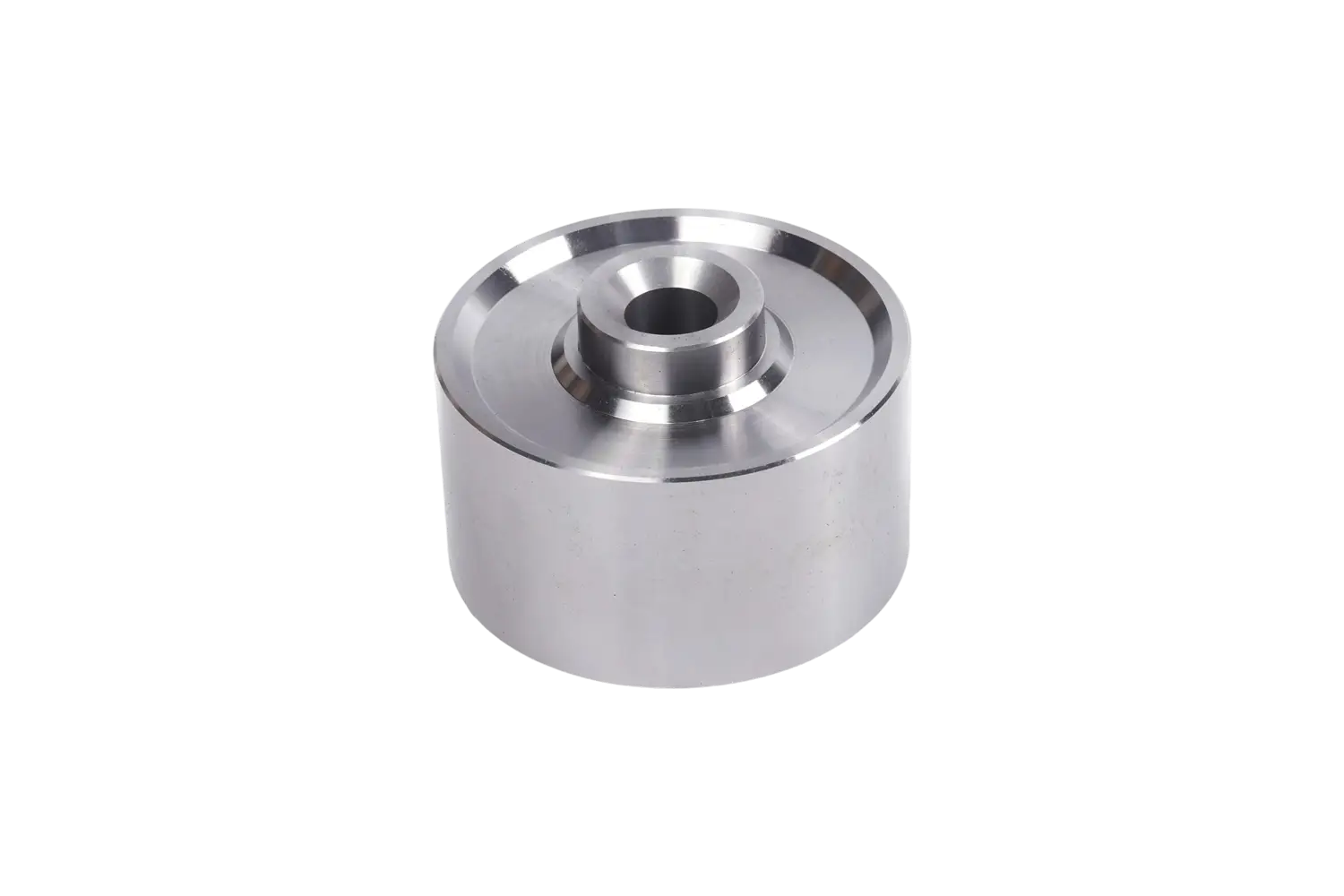
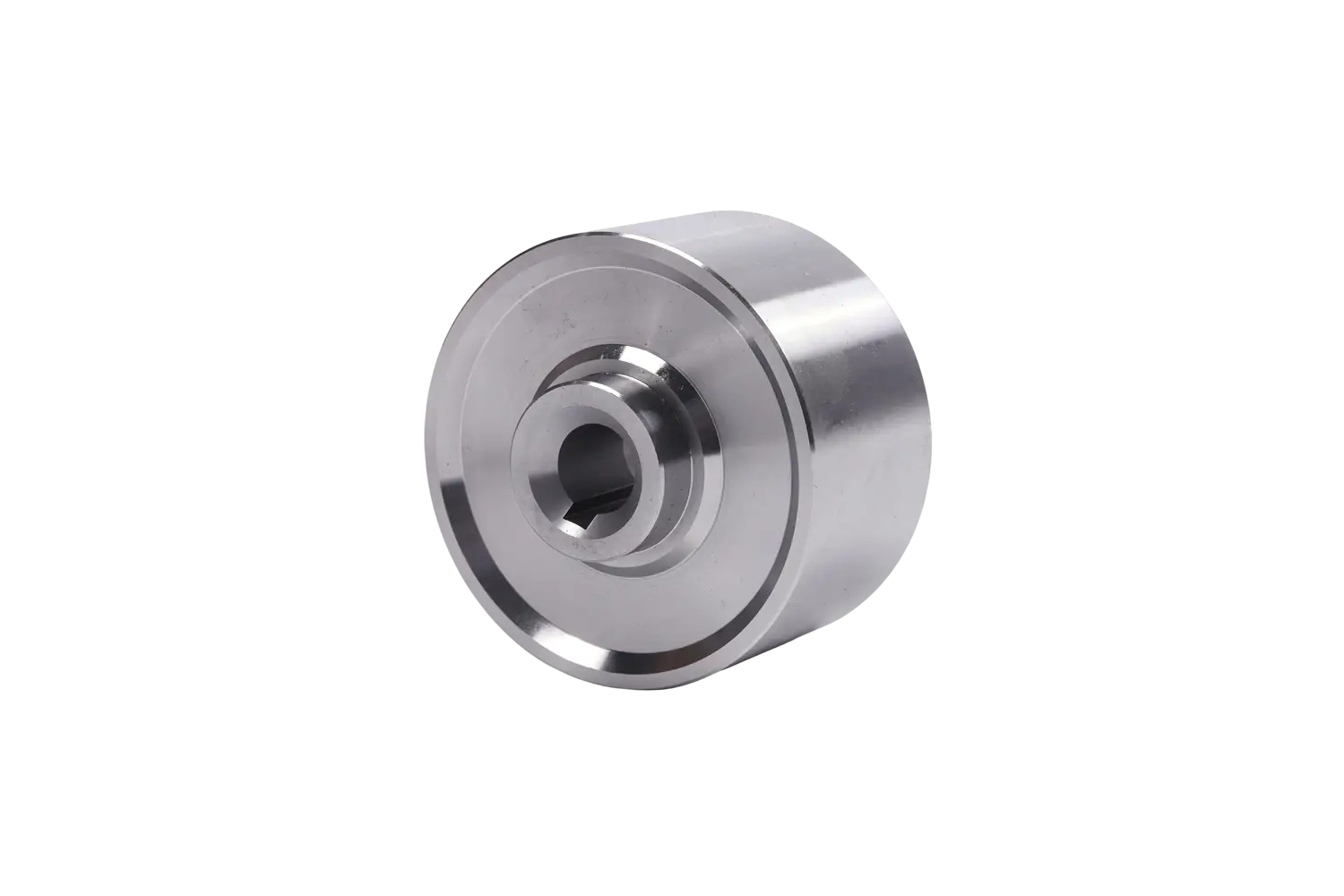
In the complex machinery of vehicles, industrial equipment, and automation systems, the core for the drive wheel is a critical yet often overlooked component. It is not simply the wheel itself, but the central internal hub or spindle—the precision-engineered core—upon which the wheel mounts and rotates. This component directly transmits torque from the axle to the wheel, bearing the vehicle’s load and withstanding immense stress. The choice of Core for Drive Wheel Suppliers fundamentally impacts the durability, efficiency, and safety of the entire drivetrain. This guide explains the function of this vital part and how to identify suppliers who can deliver the quality and reliability your application demands.
2. What is a Core for a Drive Wheel?
The core in this context refers to the central structural component that forms the mounting point for a drive wheel. It is the interface between the rotating axle or shaft and the outer wheel assembly (which may include a tire, tread, or gear ring).
Think of it as the “heart” of the wheel. Its primary functions are:
-
Torque Transmission: It securely connects to the drive axle (often via a keyway, spline, or press fit) and transfers rotational force to the wheel.
-
Load Bearing: It supports the radial load of the vehicle or equipment and the axial loads from steering and operational forces.
-
Precision Alignment: It ensures the wheel is mounted concentrically and perpendicular to the axle, which is critical for smooth operation and preventing vibration.
-
Durability Foundation: Its material strength and construction directly determine the wheel assembly’s resistance to wear, shock, and fatigue failure.
3. Key Features of a High-Performance Drive Wheel Core
When sourcing this component, look for these essential engineering characteristics:
1. Material & Construction:
-
Forged or High-Grade Cast Alloy Steel: This provides the optimal combination of high strength, toughness, and fatigue resistance. Ductile iron may be used for specific, less demanding applications.
-
Precision Machining: Critical surfaces—such as the bore for the axle, the mounting flange face, and any bolt circles—must be machined to tight tolerances to ensure perfect fit and alignment.
2. Design for Function & Integration:
-
Secure Mounting Interface: Features like a keyway, splined bore, or tapered bore to lock the core onto the axle without slippage under high torque.
-
Wheel Attachment Method: A robust flange with a precisely drilled bolt circle or a shoulder for press-fitting the outer wheel component.
-
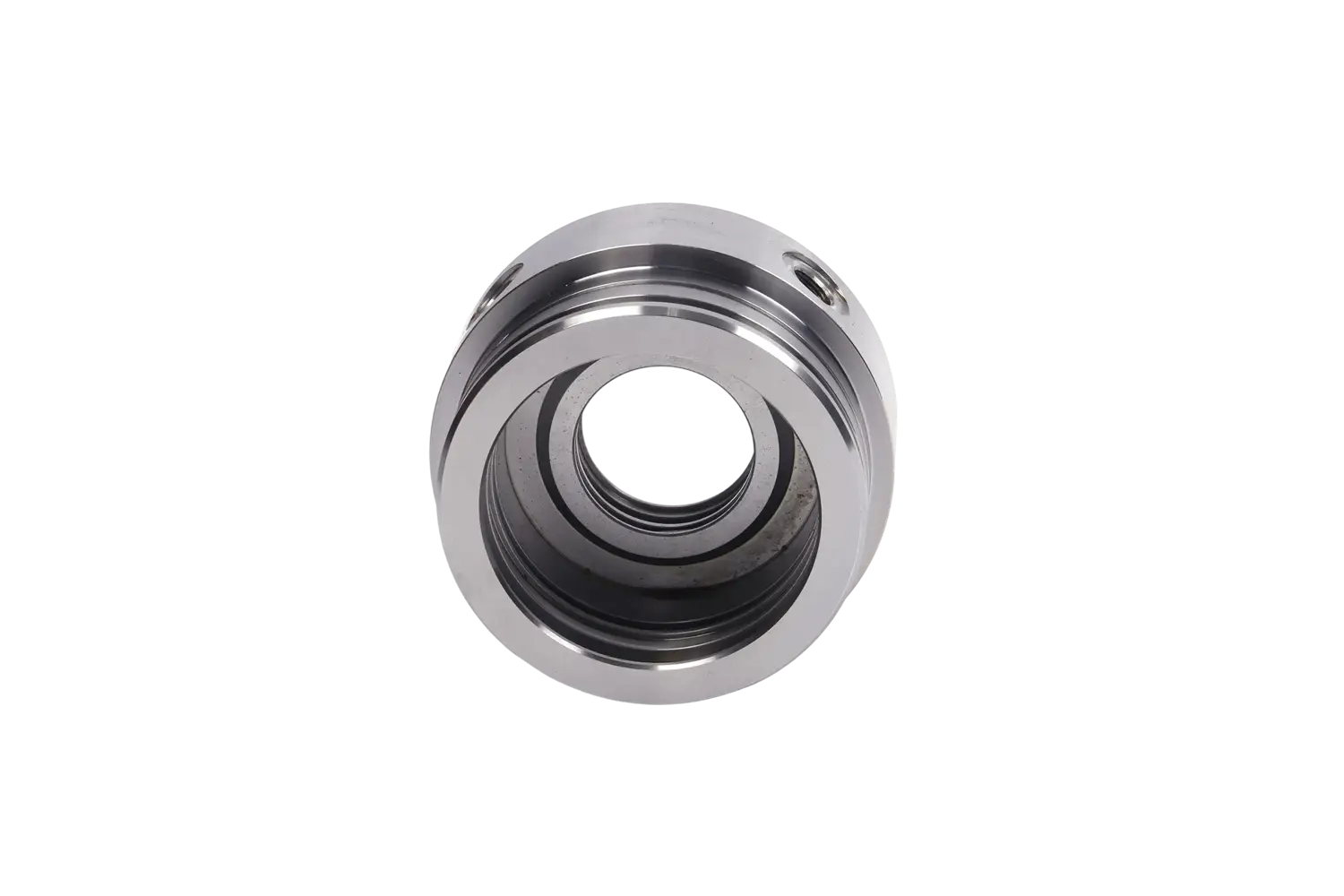
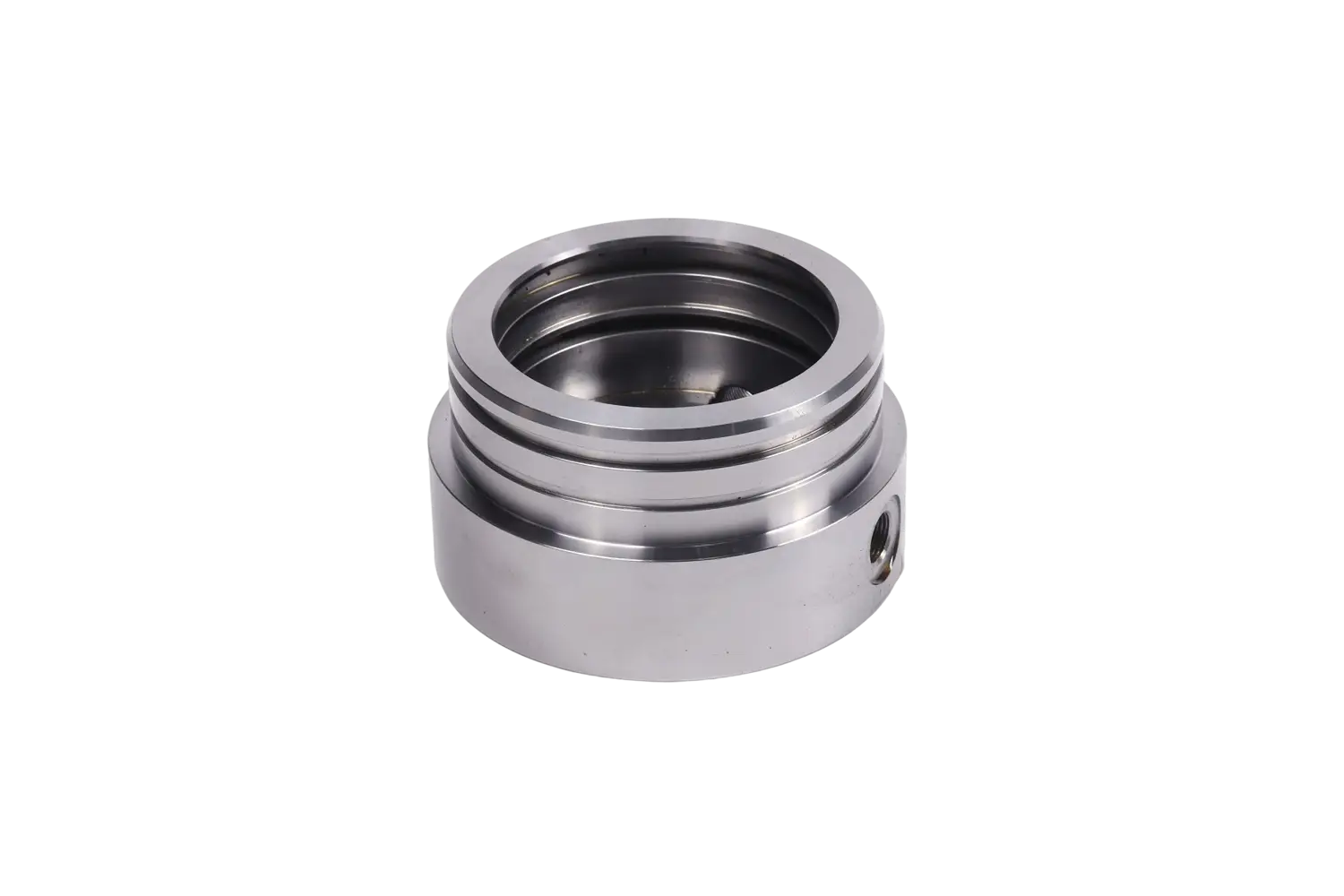
Integrated Features: May include grease grooves, seals, or provisions for bearings if the core acts as a hub unit.
3. Heat Treatment & Finishing:
-
Case Hardening or Through-Hardening: Applied to bearing surfaces and splines to maximize surface hardness for wear resistance while maintaining a tough core to prevent brittle fracture.
-
Protective Coatings: Phosphate, black oxide, or zinc coatings to prevent corrosion, which is especially important for equipment used outdoors or in wash-down environments.
4. Primary Applications
Drive wheel cores are essential in any application where powered wheels are used:
-
Material Handling Equipment: Forklifts, pallet jacks, automated guided vehicles (AGVs), and warehouse carts.
-
Agricultural Machinery: Tractors, harvesters, and irrigation systems.
-
Construction & Earthmoving Equipment: Skid-steer loaders, compactors, and mobile cranes.
-
Industrial & OEM Machinery: Conveyor systems, mobile work platforms, and specialized factory transport.
-
Lawn & Garden Equipment: Commercial mowers and utility vehicles.
5. Supplier Evaluation and Selection Guide
Partnering with the right supplier is crucial for receiving a component that performs reliably. Use this framework to assess potential Core for Drive Wheel Suppliers:
| Selection Criteria | Key Questions to Ask the Supplier | Impact on Your Operations |
|---|---|---|
| Engineering & Design Support | Can you manufacture to my custom print or provide design consultation for a new application? | Ensures the core is perfectly matched to your load, speed, and interface requirements, preventing premature failure. |
| Manufacturing Capability & Quality | Do you have in-house forging/casting and CNC machining? What is your quality control process (e.g., material certs, hardness testing, CMM inspection)? | Controls the consistency, material integrity, and dimensional accuracy of every part you receive. |
| Material Expertise | What grade of steel do you recommend for my application’s load and environment? Can you provide heat treatment certifications? | Directly determines the component’s strength, wear life, and suitability for the operating conditions. |
| Industry Experience | Do you have experience supplying cores for similar equipment (e.g., AGVs, forklifts, agricultural)? | An experienced supplier understands the unique stresses and standards of your industry. |
| Volume Scalability & Lead Time | Can you support my needs from prototype quantities to full production runs? What are realistic lead times? | Affects your project timeline, inventory management, and ability to scale production. |
6. Conclusion: A Foundational Component for Reliable Motion
The core for the drive wheel is a foundational drivetrain component. Its quality is directly felt in the smoothness of operation, the longevity of the wheel assembly, and the overall reliability of the equipment. While it operates out of sight, its failure brings everything to a halt.
Investing in a core from a qualified supplier—one with strong metallurgical knowledge, precision machining capabilities, and a proven track record—is a strategic decision that minimizes downtime, reduces maintenance costs, and ensures safe operation. It is an investment in the unshakeable foundation of your machine’s mobility.
Disclaimer: This guide is for informational purposes. The specification of drivetrain components should always be done in consultation with qualified mechanical engineers, considering all applicable safety factors and industry standards.
For detailed specifications, material options, and to discuss custom manufacturing, visit the official product page:
Core for Drive Wheel – Dongpei
Engaging directly with a supplier’s engineering team is the most effective way to translate your performance requirements into a correctly specified and manufactured component.