Description
In the demanding world of modern manufacturing, the spindle is the heart of any machine tool. It is the critical component that directly controls cutting speed, torque, and—most importantly—the precision of the finished part. For operations that cannot compromise on surface finish, dimensional accuracy, or production uptime, a High-Grade Precision Machining Spindle is not an accessory; it is the foundational investment that defines manufacturing capability.
This comprehensive guide explores the engineering, selection, and application of these ultra-precise spindles, underscoring why they are essential for competitive machining in industries like aerospace, medical device manufacturing, and advanced optics.
1. Understanding the Core of Precision: What is a High-Grade Spindle?
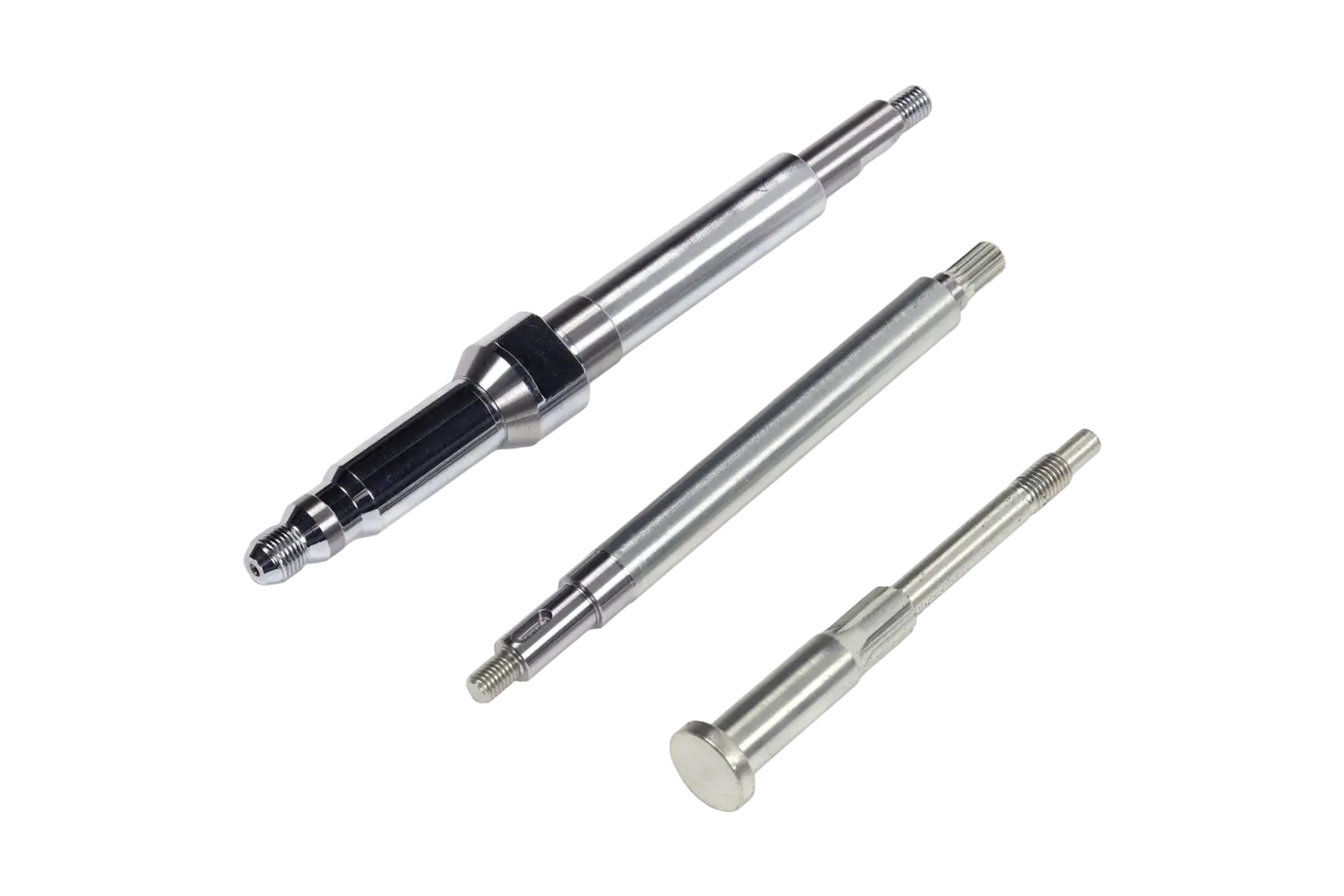
A Precision Machining Spindle is a high-performance rotational unit that holds and drives a cutting tool (or workpiece in some applications). The term “High-Grade” signifies a component engineered to the highest echelons of performance, characterized by:
-
Extreme Rotational Accuracy: Often measured in microns, with total indicated runout (TIR) values as low as 1-2 microns or less at the tool interface. This minimizes vibration and ensures perfect tool concentricity.
-
Exceptional Stiffness and Dynamic Stability: Rigid construction to resist cutting forces, preventing deflection that leads to dimensional errors and poor surface finishes.
-
Advanced Thermal Management: Sophisticated cooling systems that maintain a stable temperature, preventing thermal growth that would compromise accuracy during long production runs.
-
High-Speed Capability: Designed to operate reliably at very high RPMs (often 20,000 RPM and far beyond) to support modern high-speed machining (HSM) strategies for aluminum, composites, and other materials.
2. Critical Technical Specifications and Performance Metrics
When specifying a High-Grade Precision Machining Spindle, engineers evaluate a detailed set of parameters that directly correlate to machining outcomes.
Key Performance Indicators (KPIs):
-
Maximum Speed (RPM): Determines the achievable surface speeds for small-diameter tools and HSM applications.
-
Power & Torque Curve: Defines the spindle’s ability to remove material. High power at low RPM is crucial for heavy milling in steel, while sustained power at high RPM is key for finishing.
-
Bearing Type & Configuration:
-
Angular Contact Ball Bearings: The standard for high rigidity and speed. High-grade spindles use precision-matched sets (P4, P2 accuracy classes) with optimal preload.
-
Hydrostatic/Hybrid Bearings: Utilize a pressurized oil film for near-zero friction, exceptional damping, and ultra-high stiffness, used in the most demanding applications.
-
-
Cooling System: Integral to maintaining precision. Look for:
-
Internal Shaft Cooling: Channels coolant through the rotating shaft to draw heat from the core.
-
Housing Cooling: A jacket around the stator and bearings to stabilize the entire spindle body temperature.
-
-
Tool Interface: The connection standard (e.g., HSK, CAT, CAPTO) must match the machine and application, with high-grade spindles featuring ultra-precise taper grinding and robust drawbar force.
3. The Impact of Spindle Grade on Manufacturing Outcomes
The choice of spindle directly dictates what is possible on the shop floor. Investing in a high-grade unit delivers tangible, measurable returns:
-
Superior Surface Finish: Minimal runout and vibration allow for mirror-like finishes, often eliminating secondary polishing operations in mold-making or aerospace components.
-
Extended Tool Life: A stable, true-running spindle reduces uneven tool wear and chatter, significantly increasing the lifespan of expensive cutting tools.
-
Higher Accuracy and Repeatability: Thermal stability and rigidity ensure parts are consistently machined to tight geometric tolerances (e.g., ±0.005mm or better), critical for medical implants and semiconductor tooling.
-
Increased Throughput: The ability to reliably utilize higher RPMs and more aggressive cutting parameters translates directly into faster cycle times and greater output.
4. Primary Applications: Where Precision is Non-Negotiable
High-grade spindles are the enabling technology for several advanced manufacturing sectors:
-
Aerospace: Machining complex structural components from aluminum and titanium, where high metal removal rates and flawless surface integrity are required to prevent fatigue cracks.
-
Medical & Dental: Producing orthopedic implants, surgical instruments, and dental prosthetics from biocompatible metals and ceramics, demanding micron-level accuracy and perfect surface finishes.
-
Die/Mold Making: Creating intricate injection molds and stamping dies with complex 3D contours. High-speed spindles enable fine-detail finishing with small-radius tools.
-
Advanced Optics & Electronics: Machining lenses, mirrors, and semiconductor components where sub-micron form accuracy and nanoscale surface roughness are essential for performance.
5. Selection Guide: Matching the Spindle to Your Machining Needs
Selecting the right spindle requires a detailed analysis of your primary work. Use this framework to guide your decision:
| Application Focus | Recommended Spindle Priority | Critical Specifications to Evaluate |
|---|---|---|
| High-Speed Finishing (e.g., graphite, aluminum molds) | Ultra-High RPM & Thermal Stability | Max RPM (40,000+), cooling efficiency, dynamic balance grade (G0.4 or better) |
| Heavy-Duty Milling (e.g., steel forging dies) | High Torque & Rigidity at Low-Mid RPM | Power rating (25kW+), torque curve, bearing size and preload, shaft diameter |
| Hard Material Machining (e.g., hardened tool steel, Inconel) | Robustness, Power, & Vibration Damping | High continuous power, hydrostatic/hybrid bearings, integrated vibration sensors |
| Micro-Machining (e.g., medical stents, micro-fluidics) | Ultra-Precision & Ultra-High Speed | Extreme rotational accuracy (TIR < 1µm), very high RPM for micro-tools, fine-balance |
Integration Considerations: Ensure compatibility with your machine tool’s controller, lubrication system, and power supply. Factor in the total cost of ownership, including maintenance intervals and the availability of technical support.
6. Innovation and Future Trends in Spindle Technology
The frontier of spindle engineering continues to advance, focusing on:
-
Smart Spindles: Integration of sensors for real-time monitoring of vibration, temperature, and load, enabling predictive maintenance and adaptive process control.
-
Motor Spindle Integration: Direct-drive designs where the motor is fully integrated into the spindle housing, eliminating transmission losses and simplifying cooling.
-
Advanced Materials: Use of ceramics and composites in bearing and shaft components to reduce weight, increase stiffness, and allow for even higher operational speeds.
7. Conclusion: The Strategic Advantage of Precision
In a competitive global manufacturing landscape, the ability to produce higher-quality parts faster and more reliably is the ultimate advantage. A High-Grade Precision Machining Spindle is the core technological investment that unlocks this capability.
It transforms a machine tool from a simple cutter into a precision instrument, capable of tackling the most challenging materials and complex geometries with confidence. For OEMs and job shops aiming at the top tier of their respective markets, specifying the right high-grade spindle is the first and most critical step toward achieving manufacturing excellence.
Disclaimer & Next Steps:
This guide provides a foundational overview of high-grade precision spindles. Specific performance data, compatibility details, and configuration options are provided by the spindle manufacturer.
For detailed technical specifications, available models, and integration support for Dongpei’s precision spindle solutions, please visit the official product page:
High-Grade Precision Machining Spindle – Dongpei
Consulting directly with a qualified applications engineer is always recommended to ensure the selected spindle perfectly aligns with your specific machine tool, control system, and production requirements.