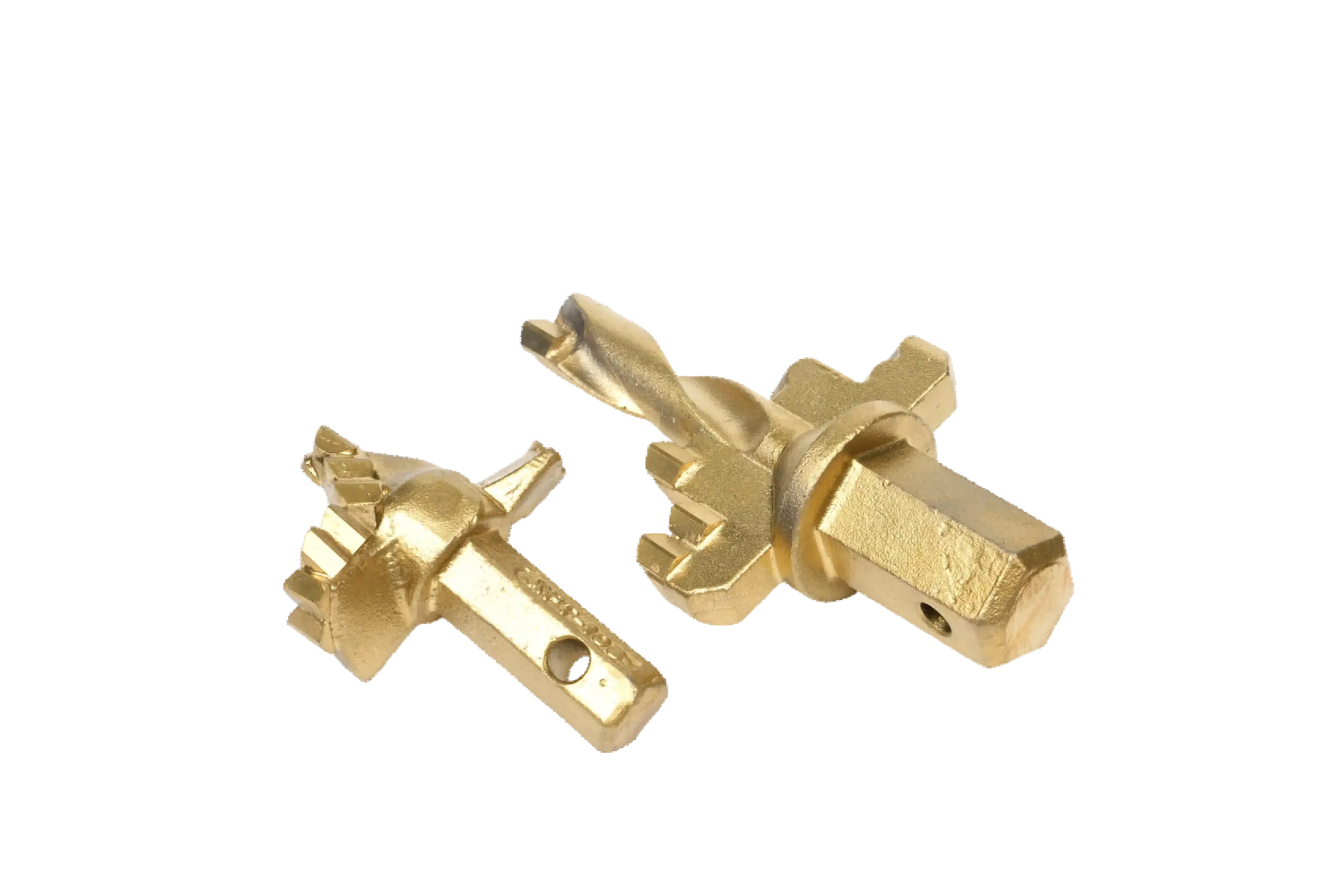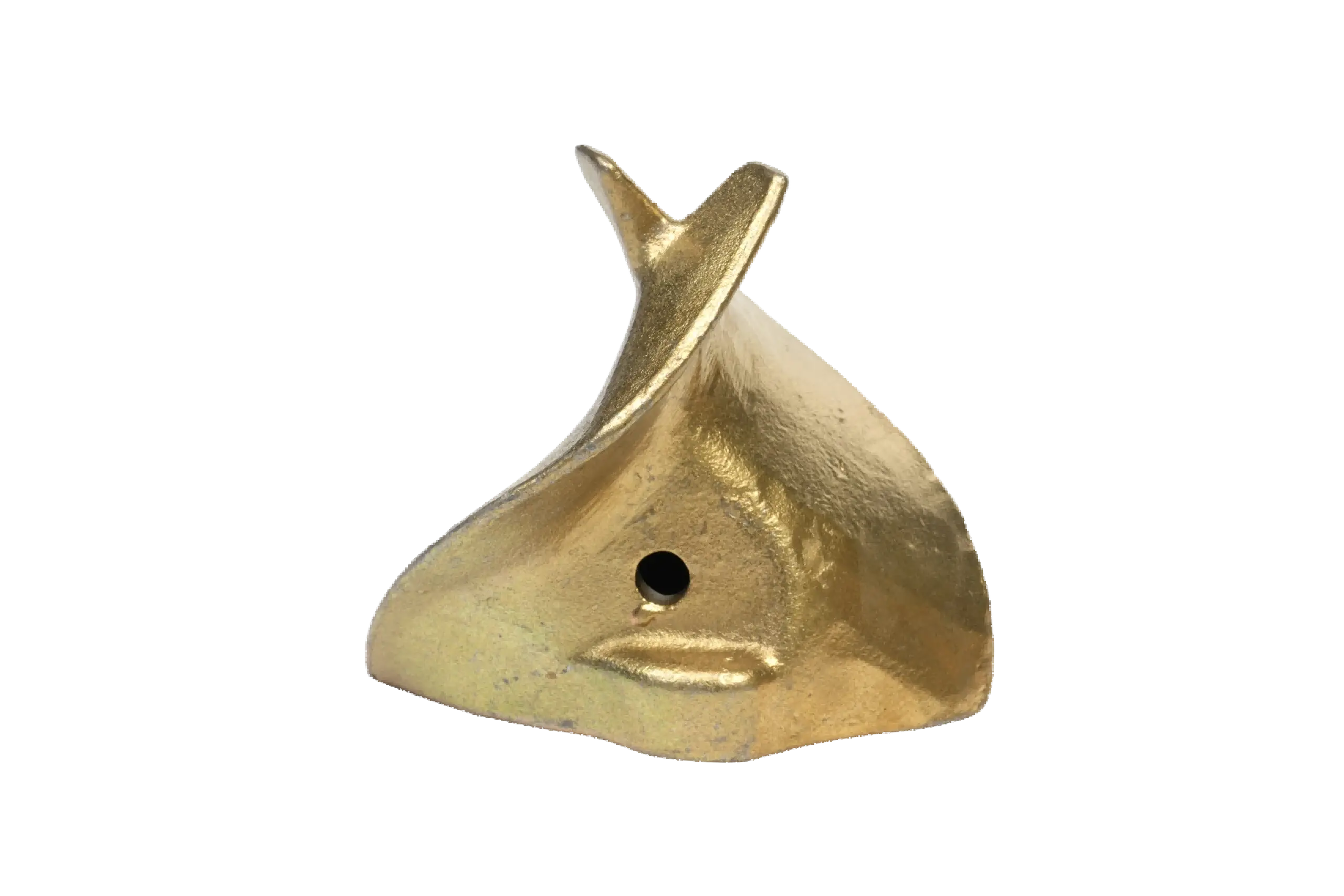
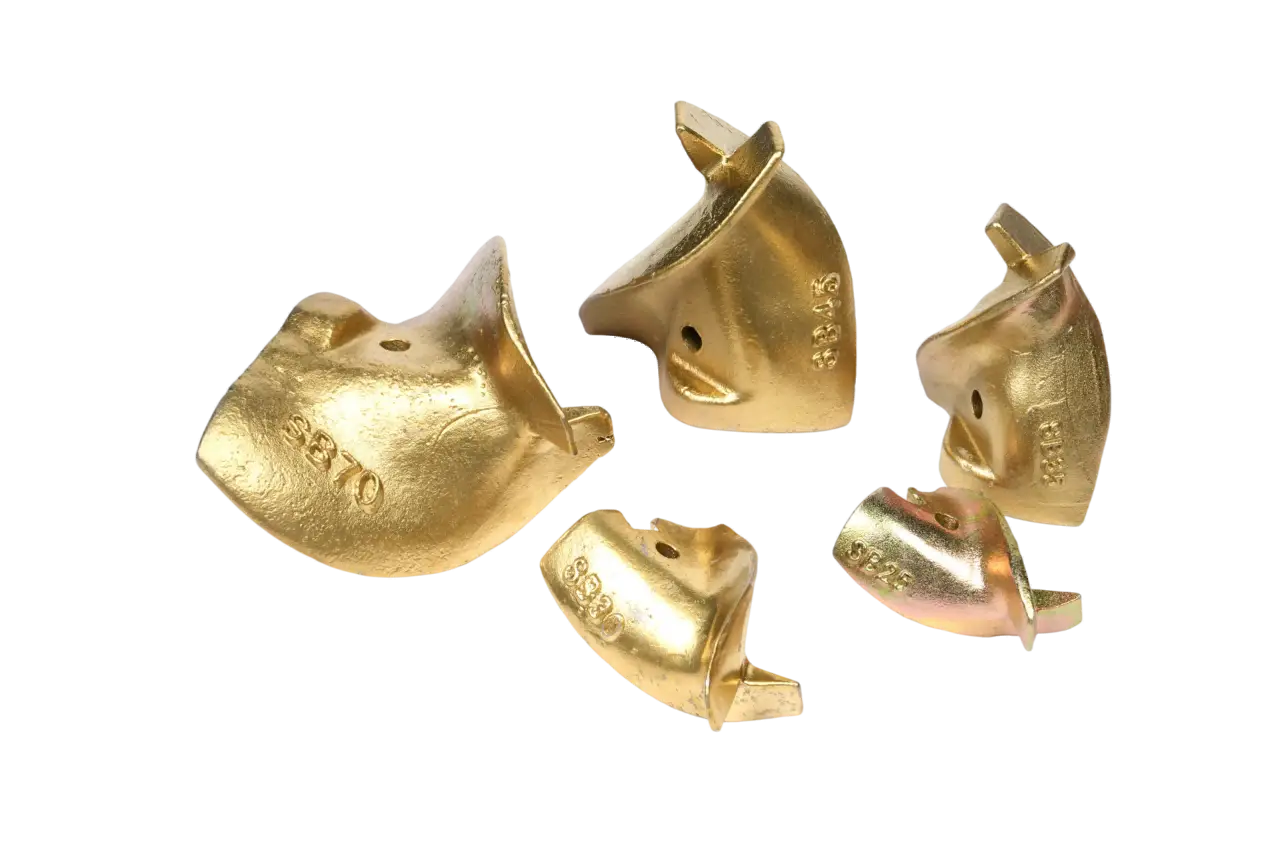
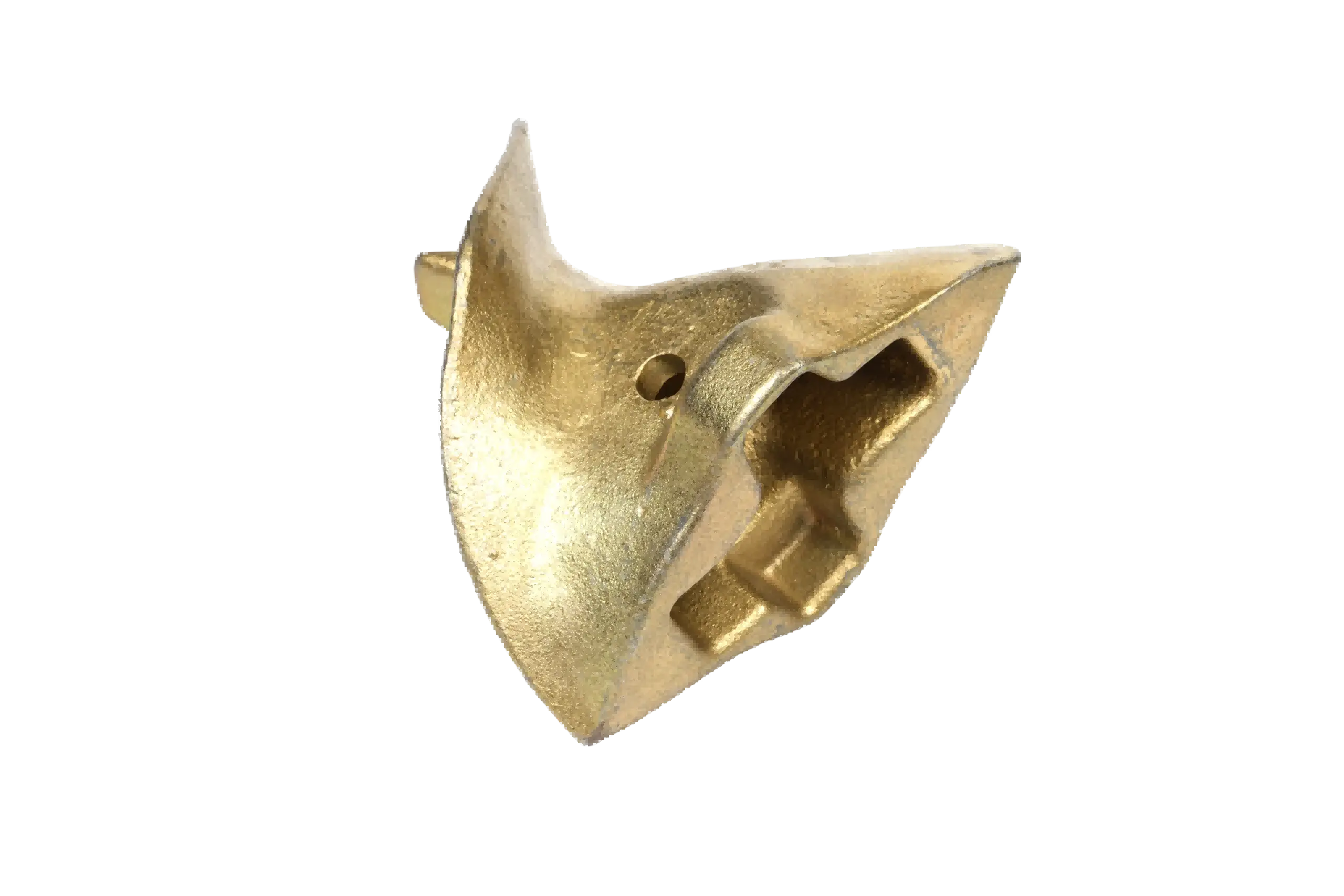
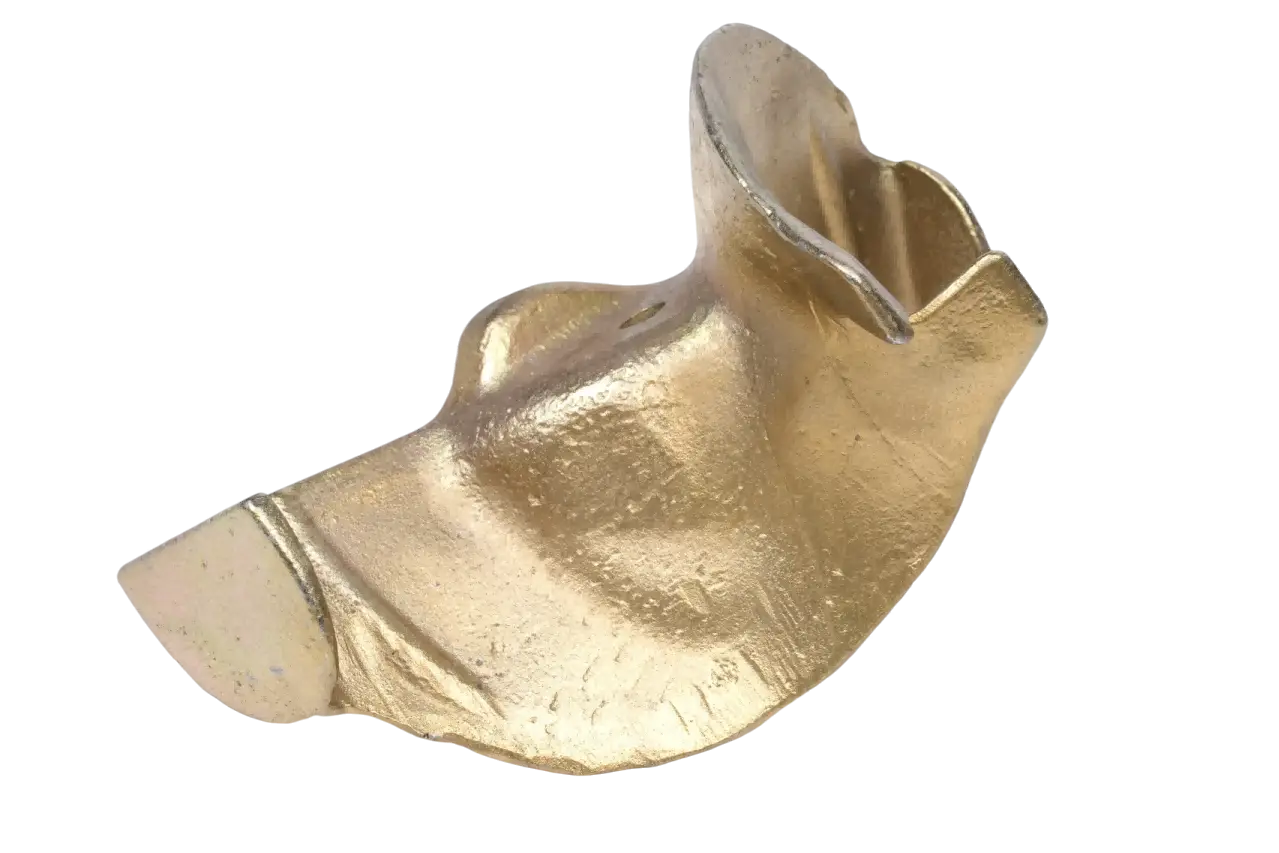
Description
Introduction: When Standard Parts Aren’t Enough
In the world of heavy industry—mining, construction, energy, and large-scale manufacturing—equipment is pushed to its absolute limits. Standard, catalog-sourced fittings often become the weakest link in these high-stress environments, leading to failures that cause expensive downtime and safety hazards. This is where Customized Heavy Duty Mechanical Fittings prove their value. They are not just connectors; they are engineered solutions designed to meet the unique load, environmental, and integration challenges of specific applications. This guide explains the critical role of these custom components and how to identify a manufacturing partner capable of delivering the durability and precision your operations demand.
What are Customized Heavy Duty Mechanical Fittings?
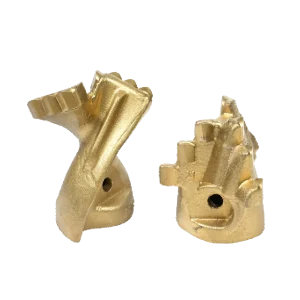
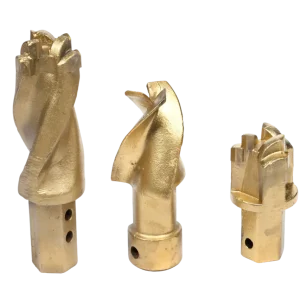
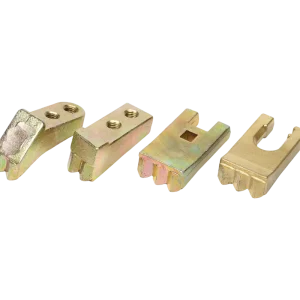
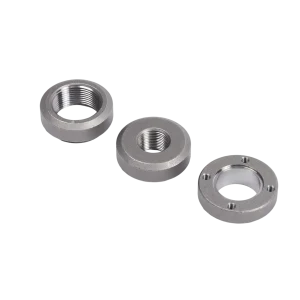
Customized Heavy Duty Mechanical Fittings encompass a broad category of non-standard components used to join, support, or interface parts within a mechanical system. Unlike standard bolts, brackets, or couplings, they are designed from scratch or significantly modified to address specific requirements that off-the-shelf parts cannot.
Common types include:
-
Custom Flanges & Adapters: For connecting pipes, shafts, or structural members of non-standard sizes or under unique pressure/load conditions.
-
Specialized Brackets & Mounts: Designed to secure heavy components (motors, pumps, gearboxes) in tight or unusually oriented spaces within a machine frame.
-
High-Strength Pins, Bushings & Links: For articulation points in heavy machinery (excavators, loaders) where shock loads are extreme.
-
Prototype & OEM Components: Unique parts developed for new machinery or to repair/upgrade legacy equipment where original parts are obsolete.
The Engineering Imperative for Customization
Several factors drive the need for a custom fitting over a standard part:
-
Extreme Load Requirements: Applications involving high torque, tension, shear, or cyclic fatigue that exceed the ratings of standard hardware.
-
Unique Spatial Constraints: The need to fit a connection into an irregular or limited space within an existing machine design.
-
Harsh Environmental Conditions: Exposure to severe abrasion, corrosion, high temperatures, or chemicals that demand special materials or protective coatings.
-
Integration with Legacy or Specialized Equipment: Machines that are old, highly modified, or one-of-a-kind often have non-standard interfaces.
-
Performance Optimization: To reduce weight, minimize vibration, or improve serviceability in a way that standard parts cannot.
Key Features of a Premium Custom Fitting
When engineered correctly, a heavy-duty custom fitting will exhibit these characteristics:
-
Application-Specific Design: The geometry is optimized through engineering analysis (like FEA – Finite Element Analysis) to handle the precise loads and moments it will face, with no unnecessary material that adds weight or cost.
-
Superior Material Selection: Use of high-grade materials such as alloy steels (e.g., 4140, 4340), stainless steels, or specialized alloys, often with specified heat treatment (quenching and tempering) to achieve the optimal balance of hardness, strength, and toughness.
-
Precision Manufacturing: Fabrication using advanced processes like CNC machining, precision forging, or casting followed by machining, ensuring critical dimensions and tolerances are held.
-
Rigorous Quality Assurance: The manufacturer should perform and document inspections such as material certification, hardness testing, dimensional verification (with CMM), and non-destructive testing (like dye penetrant or magnetic particle inspection) for critical parts.
Industry Applications: Where Custom Fittings Are Essential
-
Mining & Mineral Processing: In crushers, mills, and conveyors subject to immense shock loads and abrasive wear.
-
Oil & Gas: On drilling rigs, pumps, and pressure vessels where failure can have severe safety and environmental consequences.
-
Heavy Construction & Forestry Equipment: In the booms, arms, and undercarriages of excavators, bulldozers, and harvesters.
-
Power Generation: For turbines, generators, and large pump assemblies in both conventional and renewable energy plants.
-
Marine & Shipbuilding: In propulsion systems, deck machinery, and structural connections exposed to corrosive saltwater.
The Supplier Selection Process: Finding a True Partner
Choosing a manufacturer for Customized Heavy Duty Mechanical Fittings is a critical partnership. Use this framework to evaluate potential suppliers:
| Evaluation Criteria | Key Questions for the Supplier | Why This Matters |
|---|---|---|
| Engineering & Design Capability | Do you have in-house engineering staff? Can you perform FEA/stress analysis? Will you provide detailed design drawings for approval? | Ensures the part is designed correctly for function, not just machined to a sketch. Prevents catastrophic failure. |
| Material Expertise & Sourcing | Can you recommend and source appropriate alloys? Do you provide material test reports (MTRs)? Do you manage heat treatment in-house or with certified partners? | Guarantees the material properties match the design assumptions for strength, wear, and corrosion resistance. |
| Manufacturing & Quality Process | What CNC and other machining capabilities do you have? What is your quality control and inspection process? Can you provide first-article inspection reports? | Controls the consistency, precision, and final quality of the finished components. |
| Industry Experience | Have you produced similar fittings for my industry (mining, energy, etc.)? Can you provide examples or references? | Demonstrates understanding of the regulatory, safety, and performance standards unique to your field. |
| Project Management & Communication | Who will be my single point of contact? What is your process for design reviews and approving changes? | Smooth communication is essential for complex custom projects to stay on schedule and meet specifications. |
Conclusion: An Investment in Uptime and Safety
In capital-intensive industries, the cost of equipment failure—in both downtime and safety risk—dwarfs the price of a well-engineered component. Customized Heavy Duty Mechanical Fittings are a strategic investment in the integrity of your machinery. They provide a solution where none exists off-the-shelf, allowing you to maintain, upgrade, and optimize your most valuable assets.
Partnering with a manufacturer that possesses strong engineering, material science knowledge, and precision manufacturing capabilities transforms a potential point of failure into a bastion of reliability. It is a decision that pays continuous dividends in operational performance.
Disclaimer: The design and specification of custom mechanical components for critical applications should always involve qualified mechanical engineers and adhere to all relevant safety standards and codes.
For detailed consultation on custom component design and manufacturing, visit the official page:
Customized Heavy Duty Mechanical Fittings – Dongpei
Initiating a dialogue with a manufacturer’s application engineering team is the most effective first step to developing a reliable, high-performance custom solution.