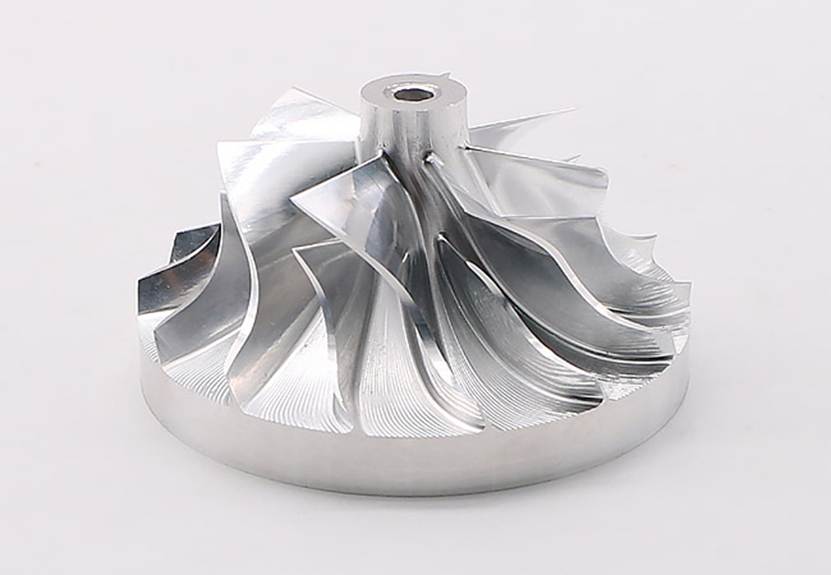
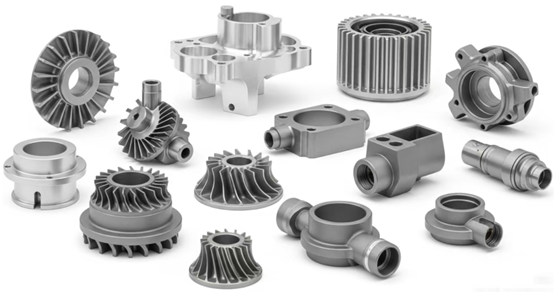
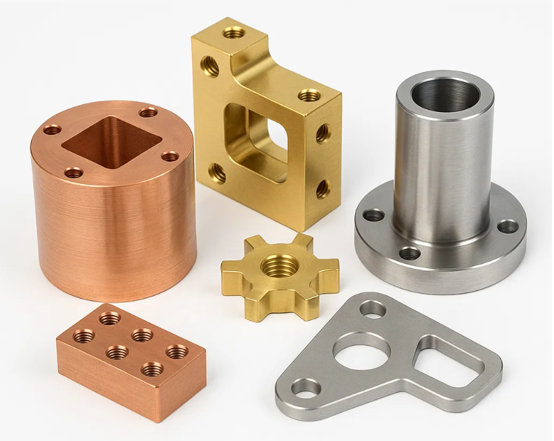
Custom CNC machining transforms your digital designs into precision physical parts—without molds, tooling, or lengthy setup times. Whether you need a single prototype or small-batch production, understanding our workflow will help you get higher-quality parts faster.
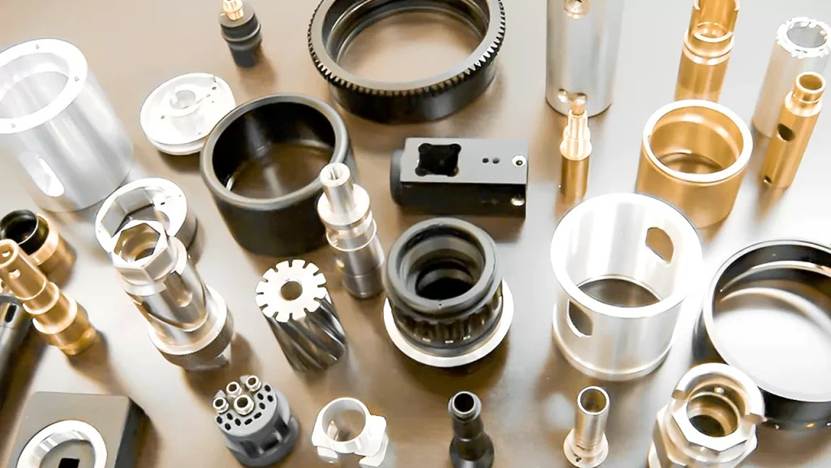
Step 1: Upload Your CAD File
Everything starts with a 3D model, usually in STEP, IGES, or Parasolid format. A clean, well-organized CAD file speeds up quoting and reduces errors. Once you upload your file, our engineering team runs a DFM (Design for Manufacturability) check to flag potential issues — thin walls, deep pockets, unreachable internal corners — before cutting begins.
Step 2: Get an Instant Quote
Within 24 hours (often much sooner), you receive a quote covering material, tolerances, surface finish, and lead time. This is also the best moment to optimize cost: adjusting part orientation, standardizing hole sizes, or switching to a more machinable alloy can significantly lower the price.
Step 3: CAM Programming
Your CAD model will be converted into toolpaths. Our programmers will select the cutting tools, spindle speed, and fixture scheme. This stage determines machining accuracy and cycle time, so experienced CAM programmers can directly translate to tighter tolerances and more favorable pricing.
Step 4: Machining
CNC milling and turning centers machine your parts from solid materials. Custom CNC machining supports a variety of materials:
- Metals: Aluminum (6061, 7075), Stainless Steel (304, 316, 17-4 PH), Titanium, Brass
- Plastics: PEEK, Delrin, Nylon, PTFE
For complex geometries, five-axis machining centers can complete the machining of multiple features in a single setup, with tolerances up to ±0.005 mm.
Step 5: Finishing and Inspection
After machining, parts can be anodized, powder coated, polished, or sandblasted. Each part is inspected before packaging and shipping (CMM report available upon request).
Custom CNC Machining: From CAD File to Finished Part
Custom CNC machining turns your digital design into a precision physical part — without molds, tooling, or long setup times. Whether you need a single prototype or a short production run, understanding the workflow helps you get better parts, faster.
Step 1: Upload Your CAD File
Everything starts with a 3D model, usually in STEP, IGES, or Parasolid format. A clean, well-organized CAD file speeds up quoting and reduces errors. Once you upload your file, our engineering team runs a DFM (Design for Manufacturability) check to flag potential issues — thin walls, deep pockets, unreachable internal corners — before cutting begins.
Step 2: Get an Instant Quote
Within 24 hours (often much sooner), you receive a quote covering material, tolerances, surface finish, and lead time. This is also the best moment to optimize cost: adjusting part orientation, standardizing hole sizes, or switching to a more machinable alloy can significantly lower the price.
Step 3: CAM Programming
Your CAD model is converted into toolpaths. Our programmers select cutting tools, spindle speeds, and fixturing strategies. This stage determines both accuracy and cycle time, which is why experienced CAM work directly translates into tighter tolerances and better pricing.
Step 4: Machining
CNC milling and turning centers cut your part from solid stock. Custom CNC machining supports a wide range of materials:
- Metals: aluminum (6061, 7075), stainless steel (304, 316, 17-4 PH), titanium, brass
- Plastics: PEEK, Delrin, Nylon, PTFE
For complex geometries, 5-axis machines complete multiple features in a single setup, holding tolerances down to ±0.005 mm.
Step 5: Finishing & Inspection
After machining, parts may receive anodizing, powder coating, polishing, or bead blasting. Every part is then inspected — with CMM reports available on request — before careful packaging and shipment.
How Long Does It Take?
A typical custom CNC machining quote-to-delivery cycle looks like this:
| Stage | Time |
| Quoting & DFM review | 24 hours |
| Simple prototypes | 5–7 days |
| Batch production | 2–3 weeks |
Why choose custom CNC machining?
Compared to injection molding or casting, custom CNC machining eliminates the need for mold investment, making it ideal for prototyping and small-batch production. You get production-grade materials, tight tolerances, and the flexibility to modify designs at any time—simply update the CAD files.
CAD files ready? Send them to us, and we’ll conduct a free Design for Manufacturability (DFM) review and provide a quote. Our team will confirm manufacturability and respond with a quote within 24 hours—no minimum order quantity required.
Keyword