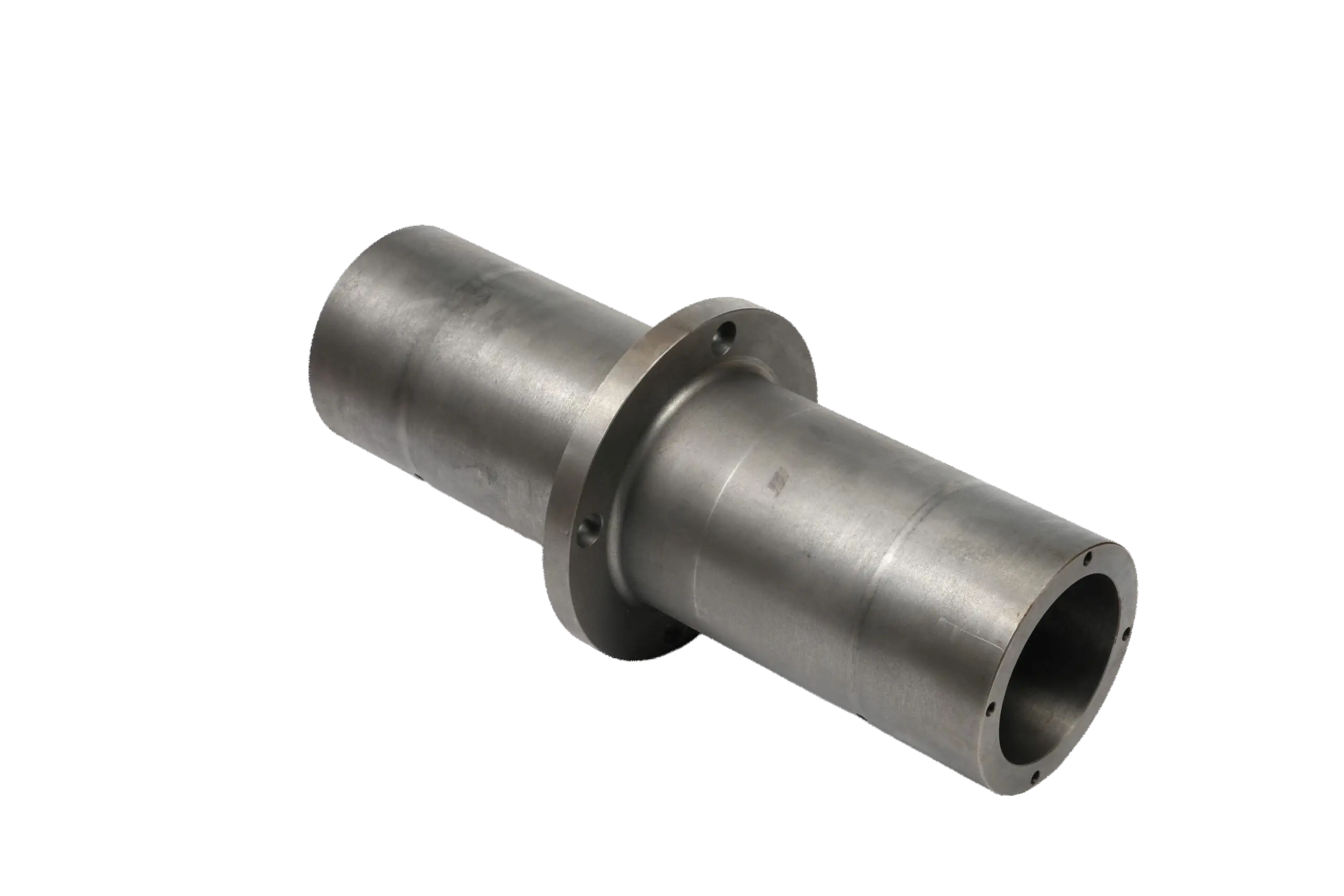
Description
Introduction: The Heart of Efficient Fluid Movement
In the world of industrial pumps, compressors, and specialized valves, the impeller is the dynamic heart of the system—the component that imparts energy to a fluid, creating flow and pressure. When this critical part is housed within or integrated into a valve body, it forms a sophisticated Value Body Impeller assembly, essential for precise flow control, mixing, or pressure regulation. Partnering with a dedicated Value Body Impeller Factory is crucial for OEMs and MRO specialists who require components that balance precision engineering with cost-effective manufacturing. This guide explains the function of these components, the advanced manufacturing involved, and how to select a factory that delivers true value through technical expertise and reliable production.
What is a Value Body Impeller?
A Value Body Impeller refers to a rotor-like component, typically with a series of curved blades (vanes), that is precisely engineered to fit and function within a valve housing or a dedicated pump body. Unlike a standard pump impeller, its design is often tailored for specific control functions within a valve, such as:
-
Metering & Dosing: Providing precise, repeatable volumetric fluid delivery.
-
Mixing & Blending: Agitating or combining fluids within a controlled chamber.
-
Pressure Regulation: Helping to manage fluid pressure as part of a control valve assembly.
-
Specialized Flow: Creating specific flow patterns for chemical processing or water treatment.
The term “Value” signifies an offering that provides an optimal balance of performance, durability, and cost-efficiency. A specialized factory achieves this by mastering design for manufacturability (DFM), material selection, and high-volume precision production.
Key Manufacturing Processes and Material Selection
A true “Value” factory optimizes every step of production to deliver a high-quality component at a competitive price point without sacrificing critical performance.
1. Core Forming Methods:
-
Investment Casting (Lost-Wax): Ideal for producing complex, detailed impeller geometries with excellent surface finish and good dimensional accuracy. This method minimizes the need for extensive post-cast machining, reducing cost.
-
Precision Sand Casting: A cost-effective method for larger or lower-volume impellers, often followed by CNC machining to achieve final tolerances.
-
CNC Machining from Solid: For the highest precision, prototypes, or low-volume production, impellers can be machined directly from bar stock or forgings. A value-focused factory will recommend the most cost-effective method for the required precision.
2. Material Expertise for Diverse Applications:
-
Stainless Steels (304, 316, Duplex): The standard for corrosion resistance in chemical, marine, and food processing applications.
-
Cast Irons (Ductile Iron, Ni-Resist): Offer good strength, wear resistance, and damping properties at a lower cost, suitable for water, wastewater, and certain industrial fluids.
-
Bronze & Copper Alloys: Excellent for seawater, certain chemicals, and where non-sparking properties are required.
-
Engineering Plastics & Composites (PP, PVDF, PEEK): For ultra-corrosive fluids, high-purity applications, or where significant weight reduction is needed.
3. Precision Machining & Finishing:
-
CNC Milling & Turning: Critical for machining the hub bore, blade profiles, and balancing surfaces to tight tolerances, ensuring the impeller runs true and efficiently.
-
Dynamic Balancing: A non-negotiable step. Impellers must be balanced to a specific grade (e.g., ISO 1940 G6.3) to prevent damaging vibration in the pump or valve.
-
Surface Treatments: Polishing, passivation, or coating to meet hygiene standards (e.g., 3-A Sanitary) or enhance corrosion resistance.
Industry Applications
Value Body Impellers are found in a vast array of fluid handling equipment:
-
Chemical & Petrochemical Processing: In metering pumps, reactor circulators, and additive injection valves.
-
Water & Wastewater Treatment: For chemical dosing pumps, mixers in clarifiers, and aerators.
-
Pharmaceutical & Food & Beverage: In sanitary centrifugal pumps, CIP (Clean-in-Place) system components, and hygienic mixing valves.
-
HVAC & Building Services: As part of circulation pumps in heating and cooling systems.
-
Industrial Manufacturing: For coolant pumps, process liquid transfer, and parts washing systems.
The “Value Factory” Selection Framework
The right factory delivers more than a low price; it delivers total value. Assess potential partners with this framework:
| Evaluation Criteria | What “Value” Looks Like in a Factory | Impact on Your Project |
|---|---|---|
| Design for Manufacturability (DFM) | The factory proactively suggests design tweaks that simplify casting/machining without affecting function, significantly reducing unit cost. | Lowers your part cost, shortens lead time, and improves production yield. |
| Process Optimization & Vertical Integration | The factory controls multiple stages (e.g., foundry, machining, balancing) in-house, eliminating markups and improving coordination. | Provides better cost control, faster turnaround, and single-point accountability. |
| Material Sourcing & Logistics | Has established relationships with mills and utilizes efficient bulk purchasing and logistics to keep material costs low. | Reduces the raw material cost portion of your component. |
| Smart Quality Assurance | Implements efficient, risk-based inspection (e.g., statistical process control, first-article inspection) rather than 100% inspection of all features, focusing cost on preventing defects. | Ensures consistent quality without incurring unnecessary inspection costs that inflate the price. |
| Technical Partnership & Transparency | Willing to provide a cost breakdown and work with you to identify the most economical grade of material or tolerance that still meets your needs. | Builds a trusted, collaborative relationship focused on achieving your performance and budget goals. |
Conclusion: Defining Value as Performance per Unit Cost
In component sourcing, Value = (Performance + Quality + Service) / Total Cost. A leading Value Body Impeller Factory excels at maximizing the numerator while intelligently minimizing the denominator.
By selecting a partner that combines engineering savvy with efficient, scalable manufacturing, you secure a reliable supply of critical components that enhance your product’s performance without eroding its profitability. This strategic partnership is key to maintaining competitiveness in markets where both technical performance and cost matter deeply.
Looking for a value-driven manufacturing partner for impellers or fluid handling components?
To assess a factory’s value proposition, start with a detailed RFQ and request a DFM analysis on your design. The provided link references a specific product, which is a good starting point to gauge a factory’s standard offerings.
A true value partner will be eager to discuss how they can optimize your design for cost-effective production while meeting all functional requirements.