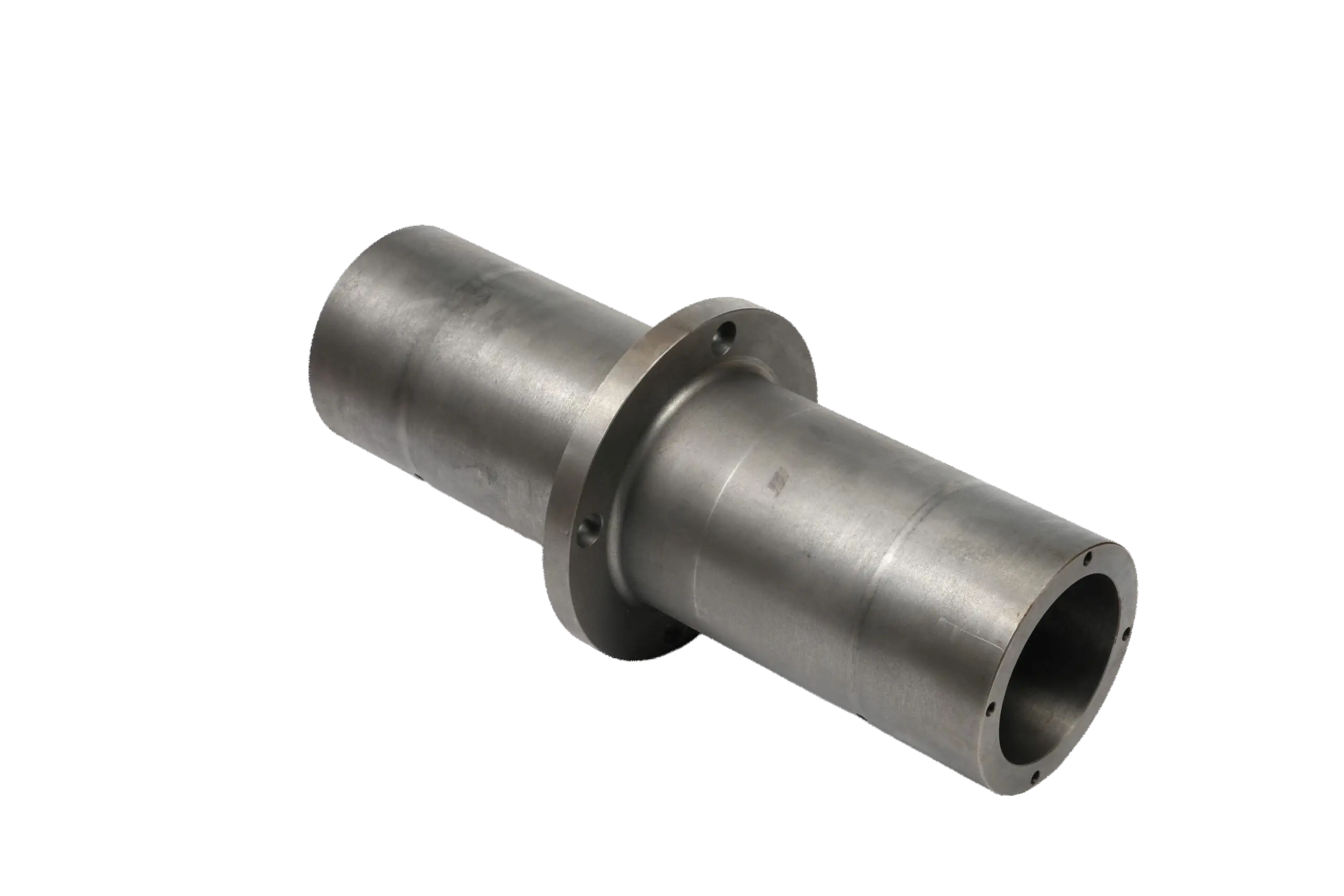
Description
Introduction: The Critical Link in Harsh Environments
The mining industry operates in one of the most punishing environments on Earth. Machinery is subjected to extreme vibration, massive shock loads, abrasive dust, corrosive moisture, and constant stress. In this setting, the failure of a single fastener—a bolt, a pin, or a specialized connector—can lead to catastrophic equipment downtime, costly repairs, and significant safety risks. This is why partnering with a dedicated Mining Connector Fasteners Factory is not a simple procurement task; it is a strategic necessity for operational integrity. This guide explores the unique demands of mining fasteners, the specialized manufacturing required to meet them, and how to identify a factory that truly understands and can deliver on the promise of reliability in the world’s toughest workplaces.
What Are Mining Connector Fasteners?
Mining Connector Fasteners is a broad term encompassing the high-strength, often custom-engineered bolts, pins, shackles, links, and specialized hardware used to connect critical components on mining equipment. They are the literal “connectors” that hold together the booms of excavators, the tracks of haul trucks, the chains of conveyors, and the structures of crushers and screens. Unlike standard industrial fasteners, they are designed with specific properties to survive the mining environment:
-
Extreme Strength & Toughness: To withstand immense tensile, shear, and fatigue loads without fracturing.
-
Superior Vibration Resistance: Engineered with locking features (e.g., prevailing torque, chemical adhesives) to prevent self-loosening under constant shaking.
-
Abrasion & Corrosion Resistance: Often feature hardened surfaces, special coatings, or are made from alloy steels to resist wear from rock dust and moisture.
The Unique Demands of the Mining Environment
A specialized factory designs its products and processes around these relentless challenges:
-
High-Cycle Fatigue: Equipment operates 24/7, subjecting fasteners to millions of load cycles. Fasteners must have excellent fatigue strength to avoid sudden, unpredictable failure.
-
Impact & Shock Loading: From digging into rock faces to the dumping of heavy loads, mining equipment experiences jarring impacts that can shock-load fasteners beyond their static rating.
-
Contamination: Abrasive grit and slurry can infiltrate threads, causing galling and seizure, making disassembly for maintenance nearly impossible without proper fastener design.
-
Safety-Critical Applications: Many connector fasteners are in load paths where failure could result in a dropped load or structural collapse, making traceability and certified quality non-negotiable.
Key Fastener Types and Specialized Features
A comprehensive mining fastener factory will produce or supply a range of critical components:
1. High-Strength Bolting Systems:
-
Flange Bolts & Studs: For high-pressure pipe flanges and structural connections, often with heavy hex heads for greater wrenching surface.
-
Tension Control Bolts (TC Bolts): Used in critical structural steel connections (like truck frames); they provide a consistent, verifiable clamp force.
-
Socket Head Cap Screws: For high-clamp force in confined spaces on machinery guards and components.
2. Specialized Pins & Connectors:
-
Clevis Pins & Bushings: For pivot points on hydraulic cylinders and linkage arms.
-
Shear Pins: Designed to fail at a predetermined overload to protect more expensive components like drive shafts.
-
Lifting Eye Bolts & Shackles: Certified for overhead lifting of components during maintenance.
3. Engineered Locking Features:
-
All-Metal Locking Elements: Like deformed threads (prevailing torque) or integral washers that resist vibration.
-
Chemical Threadlockers: Pre-applied, temperature-resistant adhesives that lock threads in place but allow for disassembly with tools.
-
Special Coatings: Such as Dacromet® or Geomet®, which provide exceptional corrosion resistance without hydrogen embrittlement risk common with some plating processes.
Inside a Specialized Mining Fastener Factory
What separates a true mining-focused factory from a general fastener supplier?
-
Material Science Expertise: Deep knowledge of high-grade alloys (AISI 4140, 4340, 8740) and their heat treatment (quenching & tempering, induction hardening) to achieve target hardness (e.g., RC 38-42) and core toughness.
-
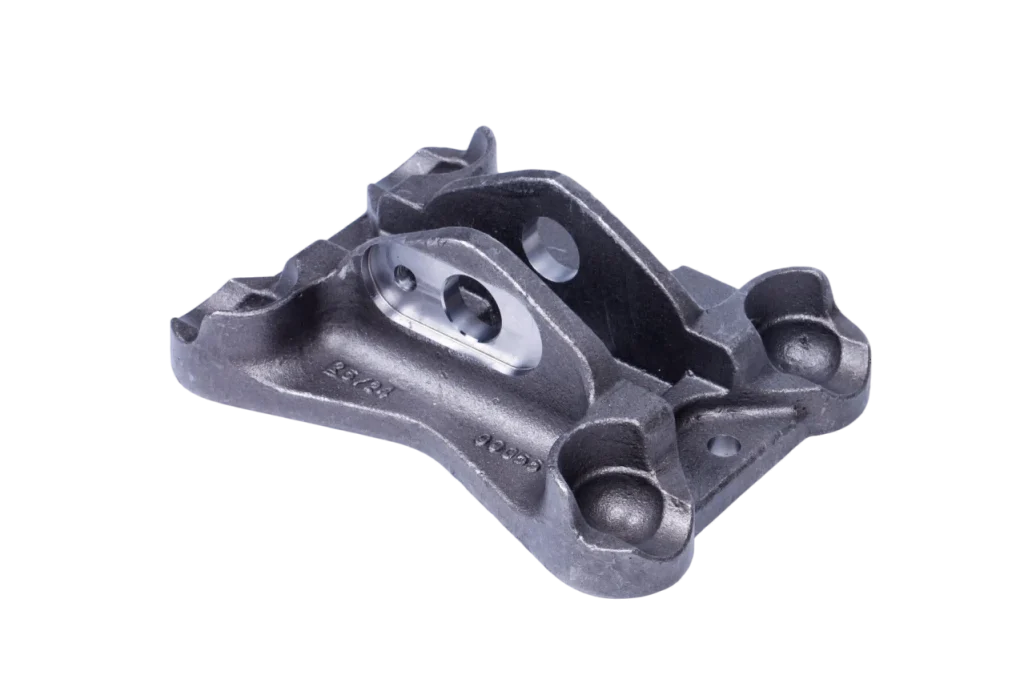
Forging-Forward Manufacturing: Many high-performance mining fasteners are hot-forged before machining. Forging aligns the grain structure with the part shape, creating superior strength and impact resistance compared to fasteners machined from bar stock.
-
Rigorous, Documented Quality Assurance:
-
100% Material Traceability: Mill Test Certificates (MTCs) for every batch of steel.
-
In-Process Testing: Hardness testing, proof load testing, and dimensional inspection.
-
Final Certification: Certificates of Conformity listing actual test results for mechanical properties.
-
-
Engineering Support for Custom Solutions: Ability to design and manufacture non-standard fasteners for legacy equipment or unique OEM applications, including performing stress calculations.
The Factory Selection Framework: Due Diligence for Durability
Choosing your factory partner requires a thorough technical evaluation. Use this checklist:
| Evaluation Criteria | Key Questions for the Factory | Impact on Your Mining Operations |
|---|---|---|
| Industry-Specific Experience | Can you provide references from major mining OEMs or site operators? Do you have case studies of fasteners in similar equipment (shovels, conveyors, mills)? | Demonstrates proven understanding of real-world mining stresses and failure modes. Reduces your risk significantly. |
| Technical Capability & Certifications | Are you certified to relevant standards (ISO 9001, AS9100 is a plus)? Can you manufacture to ASTM, SAE, or DIN specifications? Do you perform salt spray testing per ASTM B117? | Certifications are objective proof of a quality system. The ability to meet recognized specs ensures mechanical performance. |
| Manufacturing & Quality Process | Do you have in-house forging, heat treatment, and coating? What is your process for ensuring batch-to-batch consistency? Can we audit your quality lab? | Vertical integration and process control are the hallmarks of a manufacturer, not just a distributor. Ensures consistent quality. |
| Product Range & Customization | Can you supply a full bolting assembly (bolt, nut, washer) with matched properties? What is your process for engineering and prototyping a custom connector? | Simplifies your sourcing and ensures all components in a joint work together. Provides a solution for hard-to-find parts. |
| Supply Chain Reliability | What is your lead time for standard and custom items? How do you manage raw material inventory to prevent shortages? | Consistent supply is critical for maintenance planning and avoiding extended equipment downtime. |
Conclusion: An Investment in Uptime and Safety
In the high-stakes world of mining, fastener failure is not an option. The cost of downtime, measured in thousands of dollars per hour, dwarfs the price of a premium fastener. Partnering with a true Mining Connector Fasteners Factory is an investment in the most fundamental level of equipment reliability.
By selecting a partner with metallurgical expertise, controlled forging and heat-treat processes, and a culture of certified quality, you are not just buying hardware—you are securing the mechanical integrity of your most valuable capital assets. It is a decision that directly contributes to safety, productivity, and the bottom line.
Ready to source mining-grade fasteners from a certified specialist?
To begin the evaluation process, engage with potential factories using a detailed technical RFQ. Include drawings, material specifications (e.g., “SAE J429 Grade 8, Zn-Ni Coated”), required certifications, and application details.
A reputable factory will respond not just with a price, but with engineering questions and validation of their ability to meet your stringent requirements. Always consider ordering a trial batch for lab and field testing before full commitment.