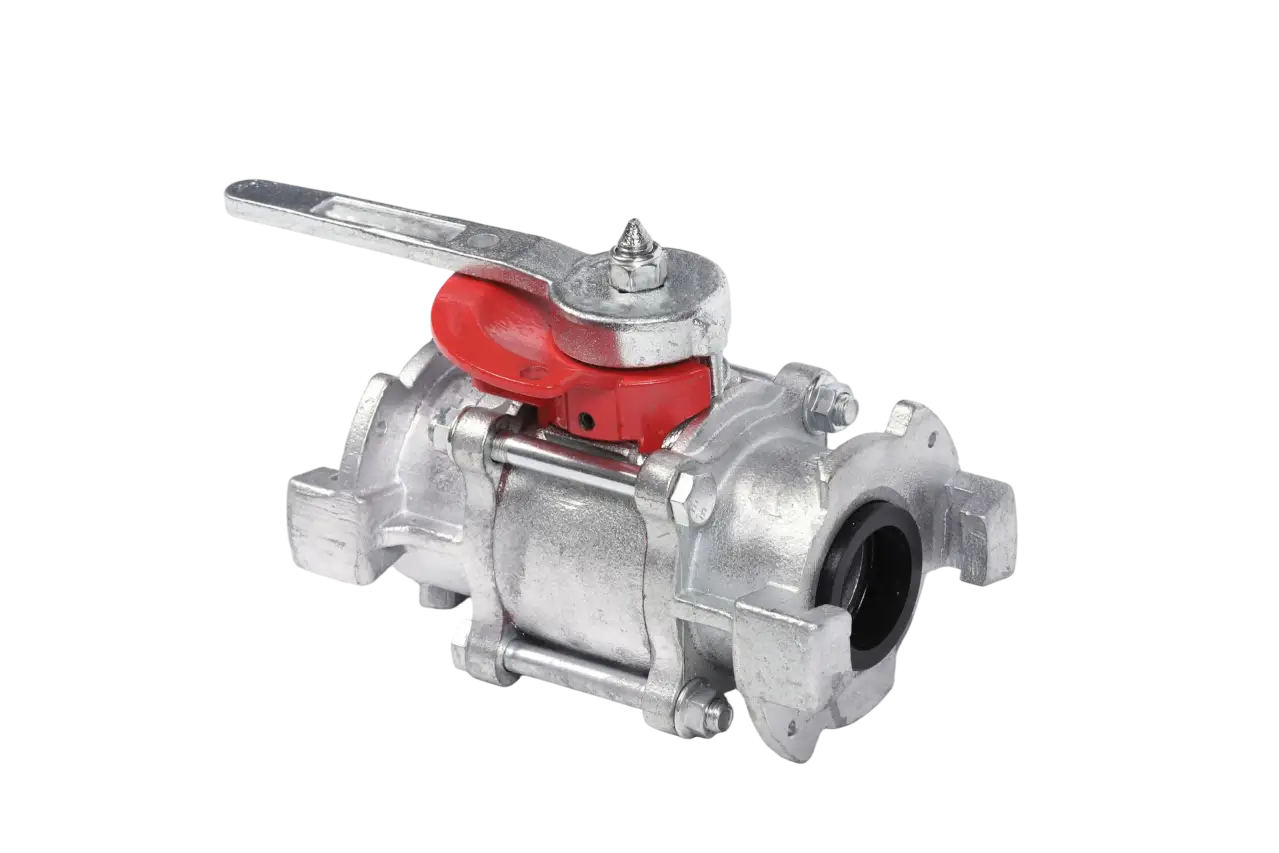

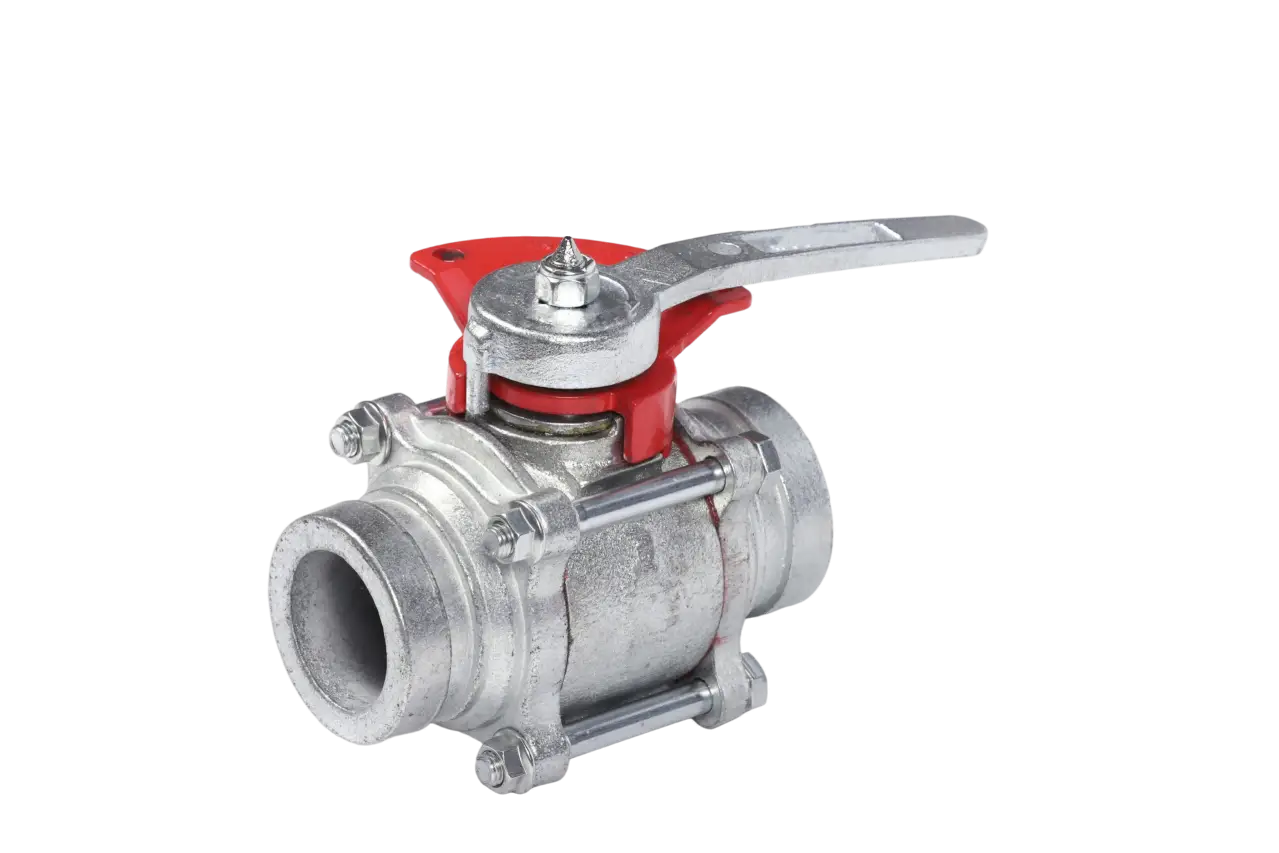

Description
Introduction: Ensuring Longevity in Demanding Environments
In industries where pipelines carry aggressive chemicals, seawater, high-purity fluids, or operate in corrosive atmospheres, the integrity of every component is non-negotiable. Standard valves can quickly succumb to rust, pitting, and degradation, leading to leaks, contamination, and catastrophic failure. This is where Corrosion-resistant Pipeline Valve Manufacturers become critical partners. These specialists design and produce valves using advanced materials and coatings specifically engineered to withstand harsh chemical and environmental attack. This guide will help you understand the technologies, materials, and selection criteria involved in choosing the right manufacturer for durable, reliable, and long-lasting corrosion-resistant pipeline valves.
What are Corrosion-resistant Pipeline Valves?
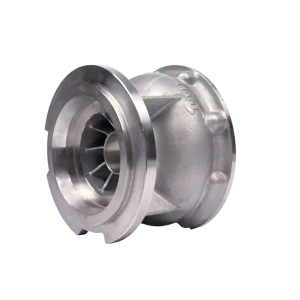
Corrosion-resistant pipeline valves are flow control devices (such as ball valves, gate valves, check valves, and butterfly valves) constructed from materials that inherently resist chemical degradation or are protected by specialized surface treatments. Their purpose is to provide reliable shut-off, regulation, and direction of fluids in systems where standard carbon steel valves would rapidly fail.
The “corrosion-resistant” property is achieved through:
-
Inherent Material Resistance: Using alloys like stainless steel, duplex steel, or nickel alloys that form a passive protective oxide layer.
-
Applied Linings & Coatings: Applying internal linings (e.g., PTFE, rubber) or external coatings (e.g., epoxy, zinc) to a robust base metal like carbon steel.
-
Specialized Design: Minimizing crevices and stagnant areas where corrosion can initiate.
Key Materials and Their Applications
Selecting the correct valve material is the most important decision. Top manufacturers offer expertise in a wide range of options:
| Material Family | Common Grades | Key Properties & Best Applications |
|---|---|---|
| Stainless Steels | 304/304L, 316/316L | Excellent general corrosion resistance. 316/L with molybdenum offers better chloride resistance. Ideal for food & beverage, pharmaceuticals, mild chemicals, and marine atmospheres. |
| Duplex & Super Duplex Steels | 2205 (S31803), 2507 (S32750) | Very high strength and excellent resistance to chloride stress corrosion cracking (SCC). Perfect for offshore oil & gas, seawater cooling, and chemical processing. |
| Nickel Alloys | Hastelloy C-276, Monel 400, Inconel 625 | Exceptional resistance to a wide range of acids, alkalis, and oxidizing agents. Used in extreme chemical processing, pulp & paper, and pollution control. |
| Non-Metallic & Lined Valves | PVC, CPVC, PVDF, PTFE-lined | Excellent chemical resistance to specific aggressive media. Lightweight and cost-effective for acids, caustics, and ultrapure water systems. PTFE lining on carbon steel provides both strength and chemical barrier. |
| Bronze & Brass | C83600, C46400 | Good resistance to seawater and many industrial waters. Commonly used in marine, plumbing, and HVAC applications. |
Manufacturing Processes and Quality Assurance
A reputable manufacturer distinguishes itself through controlled processes and rigorous testing:
1. Foundry & Forging Control: For metal valves, control over the casting or forging of body components is essential to prevent defects that become corrosion initiation sites. Certified material traceability is a must.
2. Precision Machining: CNC machining ensures sealing surfaces (seats, balls, discs) are perfectly finished to provide a leak-tight seal, which is critical for preventing fugitive emissions and internal leakage.
3. Critical Surface Treatments & Welding:
-
Passivation: For stainless steel, this chemical process removes free iron from the surface and enhances the natural chromium oxide layer.
-
Specialized Welding: Using matching or superior alloy filler metals and controlled procedures to maintain corrosion resistance in the weld and heat-affected zone.
4. Comprehensive Testing:
-
Shell & Seat Pressure Tests: Per API 598, ISO 5208, or other standards to verify structural integrity and sealing performance.
-
Material Verification: Positive Material Identification (PMI) via XRF analyzer to confirm alloy composition.
-
Coating Inspection: Holiday (pinhole) detection tests for lined or coated valves.
Industry Applications
Corrosion-resistant valves are essential in sectors where fluid purity, safety, and asset longevity are paramount:
-
Chemical & Petrochemical Processing: Handling acids, caustics, solvents, and hydrocarbons.
-
Oil & Gas (Upstream, Midstream, Downstream): For produced water, sour gas (H2S), seawater injection, and refining processes.
-
Water & Wastewater Treatment: In desalination plants, chemical dosing systems, and effluent handling.
-
Pharmaceutical & Biotechnology: For Water-for-Injection (WFI), clean steam, and process fluids requiring absolute purity and cleanability.
-
Marine & Offshore: Ballast systems, cooling lines, and fuel handling on ships and platforms.
-
Pulp & Paper: Handling bleaching chemicals, black liquor, and other corrosive process streams.
Selecting the Right Manufacturer: A Detailed Checklist
Choosing a manufacturer is a long-term partnership. Beyond price, evaluate them on these critical aspects:
| Evaluation Criteria | Key Questions for the Manufacturer | Why It Matters |
|---|---|---|
| Material & Application Expertise | Can you recommend the most cost-effective material for my specific fluid (chemical, concentration, temperature, pressure)? | Prevents over-engineering with overly expensive alloys or under-engineering that leads to premature failure. |
| Certifications & Standards Compliance | Are your valves designed and tested to recognized standards (API, ASME, ISO, DIN)? Do you have quality certifications (ISO 9001, API Q1, PED)? | Ensures the valves are designed and manufactured to industry-accepted norms for safety and performance. |
| Engineering & Customization Support | Can you provide engineering support for special trim, actuation, or design modifications? Do you offer CAD models? | Essential for non-standard applications. A responsive engineering team indicates a problem-solving partner. |
| Manufacturing & Process Control | Do you have in-house machining, assembly, and testing? How do you ensure weld quality and surface finish? | Vertical integration and process control lead to higher quality consistency and better traceability. |
| After-Sales Support & Documentation | What is your warranty? Can you provide complete documentation packages (certificates, manuals, test reports)? | Protects your investment and provides the records needed for maintenance, audits, and regulatory compliance. |
Conclusion: An Investment in System Integrity
In corrosive service, a valve is not just a component; it is a safeguard. Failure can lead to expensive downtime, environmental incidents, and safety hazards. Partnering with a knowledgeable Corrosion-resistant Pipeline Valve Manufacturer is an investment in the total integrity and lifecycle cost of your piping system.
The right manufacturer acts as a consultant, helping you navigate material selection and design to achieve optimal reliability. By prioritizing technical expertise, quality certifications, and proven industry experience, you secure a flow control solution that will perform reliably for years, protecting your operations, your bottom line, and the environment.
Looking to specify corrosion-resistant valves for your next project?
Begin your search by engaging with manufacturers who can demonstrate deep material knowledge and a commitment to certified quality processes. The provided link references a valve product page, a typical starting point for exploring a manufacturer’s standard offerings and capabilities.
Always request detailed material specifications and test reports, and consider ordering a sample or visiting the factory for critical applications to verify their capabilities firsthand.