Description
Introduction: The Critical Role of Corrosion Resistance in Couplings
In industries where hygiene, chemical exposure, and moisture are constant challenges—such as food & beverage processing, pharmaceuticals, marine applications, chemical plants, and outdoor installations—standard steel couplings are a liability. Corrosion can lead to premature failure, contamination, and costly downtime. This is why Stainless Steel Industrial Couplings are an essential engineering solution. These components provide the strength to transmit torque while offering inherent, long-term resistance to rust and chemical attack. Finding the right Stainless Steel Industrial Couplings Suppliers is therefore a strategic decision that impacts operational safety, maintenance costs, and product purity. This guide will help you understand the different types of stainless couplings, their applications, and how to identify a supplier with the technical expertise and quality commitment to be a true partner.
Why Choose Stainless Steel for Industrial Couplings?
Stainless steel is an alloy steel containing a minimum of 10.5% chromium, which forms a passive, self-repairing oxide layer on the surface that prevents rust. For couplings, this translates into specific advantages:
-
Superior Corrosion Resistance: Withstands exposure to water, chemicals, acids, alkalis, and salt spray far better than carbon steel. Grades like 316/L offer enhanced chloride resistance.
-
Hygienic & Cleanable: The non-porous, smooth surface is easy to clean and sterilize, making it ideal for sanitary and washdown environments (common in food, pharma, and biotechnology).
-
High Strength & Durability: Stainless steel maintains excellent mechanical properties (tensile strength, fatigue resistance) across a wide temperature range.
-
Low Maintenance & Long Life: Eliminates the need for protective coatings and reduces the frequency of replacement due to corrosion, offering a lower total cost of ownership in aggressive environments.
-
Aesthetic Appeal: Provides a clean, professional, and modern appearance that is often desirable for visible machinery.
Common Types of Stainless Steel Industrial Couplings
Reputable suppliers will offer a range of coupling styles, each suited to different needs:
1. Flexible Couplings (Accommodate Misalignment & Dampen Vibration):
-
Jaw/Spider Couplings: Use an elastomeric spider between two metal hubs. Stainless steel hubs with FDA-approved urethane or Hytrel spiders are common in food processing.
-
Bellows Couplings: Feature a thin-walled, flexible stainless steel bellows welded between two hubs. Offer zero backlash and high torsional stiffness for precise motion control.
-
Disc Couplings: Use a pack of stainless steel laminations (discs) to transmit torque while accommodating misalignment. Robust, maintenance-free, and suitable for high-speed applications.
-
Grid Couplings: Utilize a slotted stainless steel grid that flexes within geared hubs. Known for high torque capacity and shock load absorption.
2. Rigid Couplings (For Perfectly Aligned Shafts):
-
Flanged Couplings: Two flanged hubs are bolted together. Often made from precision-machined stainless steel bar stock for maximum strength and concentricity.
-
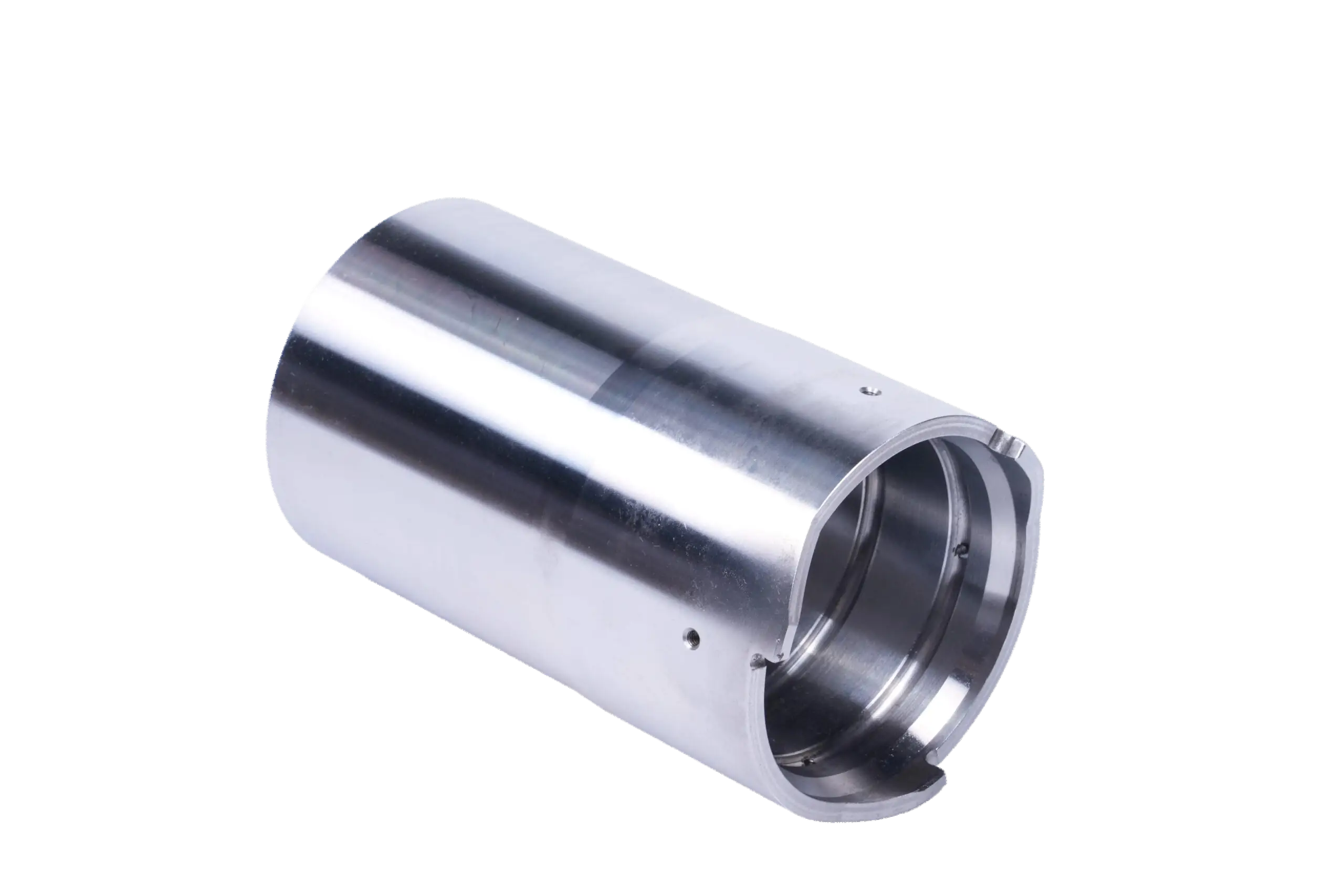
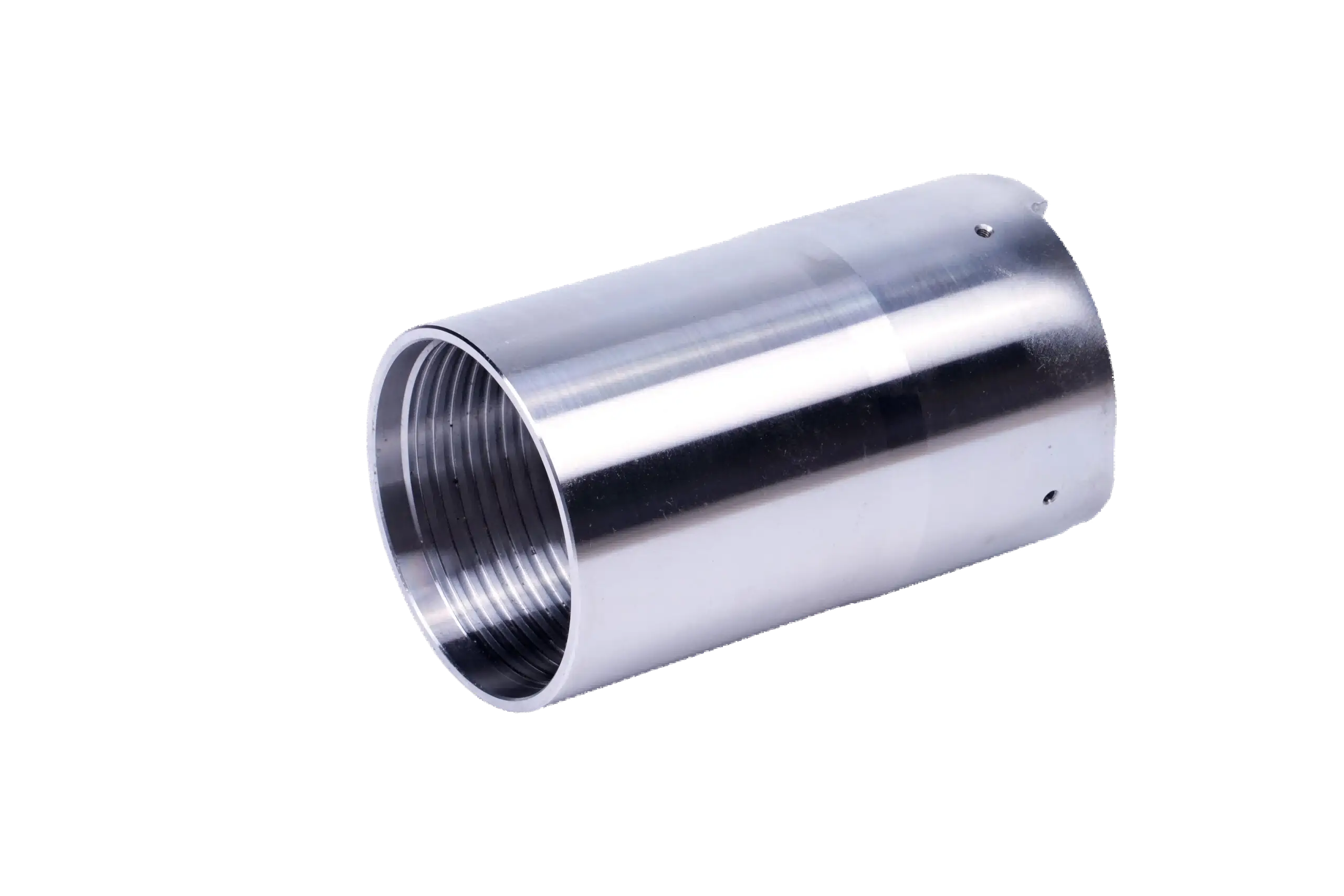
Sleeve Couplings: A simple cylindrical sleeve that connects two shafts, often with a keyway and set screws. A cost-effective stainless option for simple, aligned connections.
3. Specialty Couplings:
-
Magnetic Couplings: Use a magnetic field to transmit torque through a sealed barrier, creating a leak-proof pump drive. Housings and rotors are typically stainless.
-
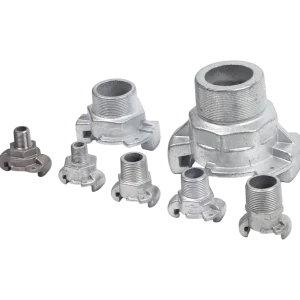
Hydraulic Quick Couplings: For connecting and disconnecting fluid lines without leakage. Stainless steel bodies are standard for corrosion resistance and durability.
Key Industries and Applications
-
Food, Beverage & Dairy Processing: On mixers, conveyors, fillers, and pumps where equipment undergoes frequent cleaning with caustic or acidic solutions.
-
Pharmaceutical & Biotechnology: In agitators, centrifuges, and packaging machinery where preventing contamination is paramount.
-
Chemical & Petrochemical: For pumps, mixers, and agitators handling corrosive raw materials, intermediates, or effluents.
-
Marine & Offshore: Onboard ship propulsion systems, deck machinery, pumps, and equipment exposed to saltwater atmospheres.
-
Water & Wastewater Treatment: In aeration blowers, pumps, and mixers within treatment plants.
-
Outdoor Power Transmission: Any coupling exposed to weather, such as on ventilation fans, irrigation pumps, or renewable energy equipment.
Supplier Evaluation Framework: Finding a Trusted Partner
Selecting among Stainless Steel Industrial Couplings Suppliers requires a diligent assessment. Price is a factor, but technical capability and quality assurance are paramount for critical components.
| Evaluation Criteria | Key Questions for the Supplier | Why It Matters |
|---|---|---|
| Material Expertise & Certification | What specific stainless grades do you offer (304, 316, 316L, 17-4PH)? Can you provide material certifications (MTCs)? Do you understand the differences for my application? | Using the wrong grade (e.g., 304 vs. 316 in a chloride environment) leads to rapid failure. Traceability is key for regulated industries. |
| Manufacturing & Quality Control | Are couplings machined from solid bar/forging or investment cast? What quality inspections are performed (dimensional, balancing, PMI)? | Machined parts have superior strength and precision. Rigorous inspection ensures performance and safety. |
| Technical & Engineering Support | Can you help select the correct coupling type and size based on our torque, speed, and misalignment data? Do you offer custom designs? | Prevents costly misapplication. A supplier that provides sizing support is a technical partner, not just a vendor. |
| Industry-Specific Experience | Do you have a proven track record supplying our industry (e.g., food & pharma with 3-A or FDA-compliant designs)? Can you provide references? | Demonstrates understanding of unique regulatory and performance requirements (e.g., cleanability, material approvals). |
| Inventory & Global Support | What is the availability of standard sizes? What are lead times for custom items? Do you have local distribution or support for maintenance and spares? | Impacts your project timelines and ability to maintain equipment with minimal downtime. |
Conclusion: Investing in Long-Term Reliability
Specifying Stainless Steel Industrial Couplings is a proactive investment in the longevity and integrity of your machinery, especially in corrosive or hygienic environments. The initial higher material cost is quickly offset by reduced maintenance, elimination of corrosion-related failures, and compliance with industry standards.
Partnering with a supplier that demonstrates deep material knowledge, precision manufacturing capabilities, and a commitment to certified quality ensures that this critical link in your power transmission chain performs reliably for years, protecting your operations and your bottom line.
Ready to source high-quality stainless steel couplings?
For an accurate quotation and technical recommendation, be prepared to provide your supplier with:
-
Application Details: Driver/Driven Equipment, Power (kW/HP), Speed (RPM).
-
Shaft Information: Diameters and keyway sizes for both shafts.
-
Environmental Conditions: Fluid exposure, temperature, washdown frequency, outdoor exposure.
-
Required Specifications: Coupling type preference, stainless steel grade, and any industry certifications needed (e.g., 3-A, FDA).
Initiating a dialogue with a supplier’s application engineer is the best first step to ensure a perfect fit for your needs. Explore their standard product range as a starting point for your Stainless Steel Industrial Couplings requirements.