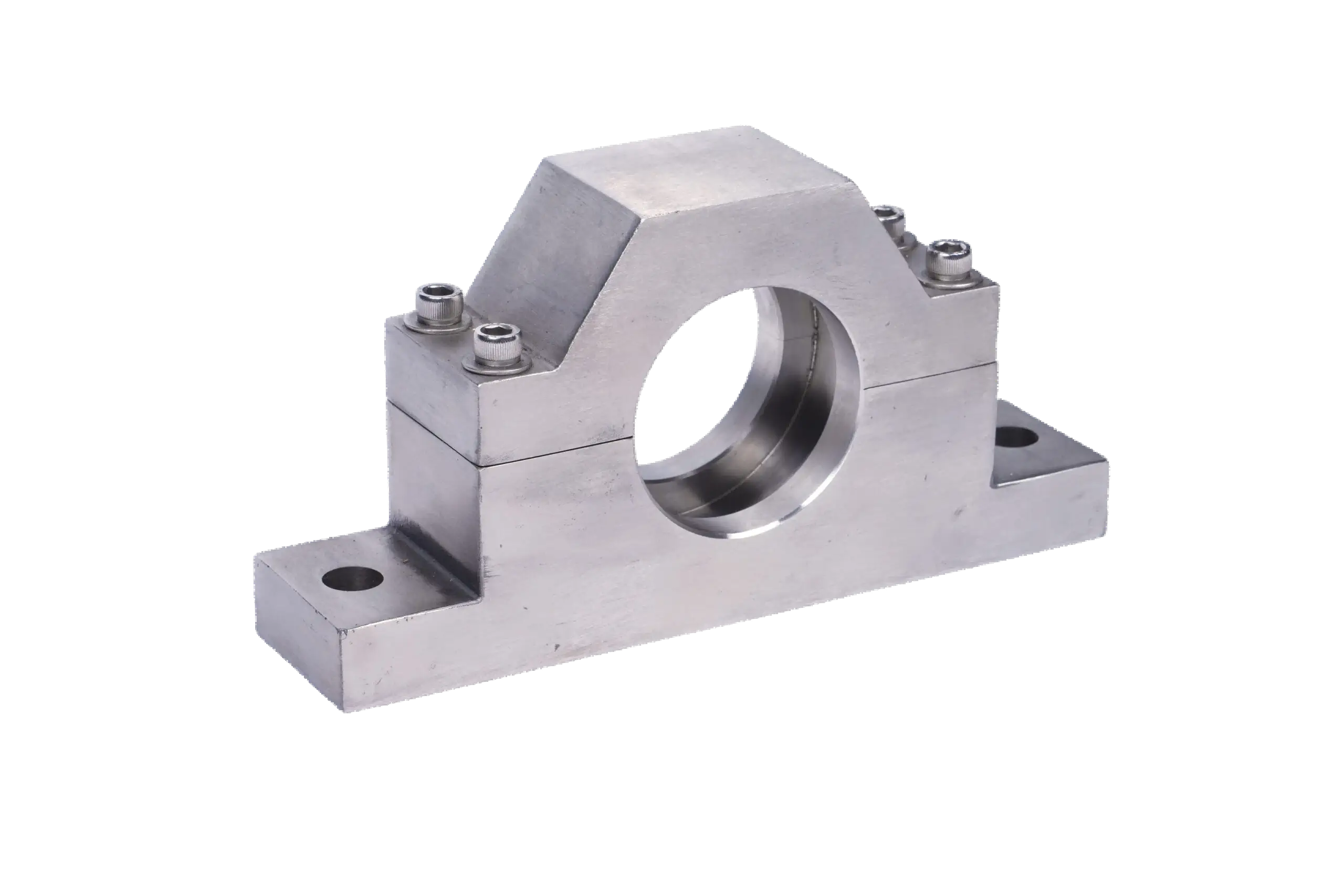
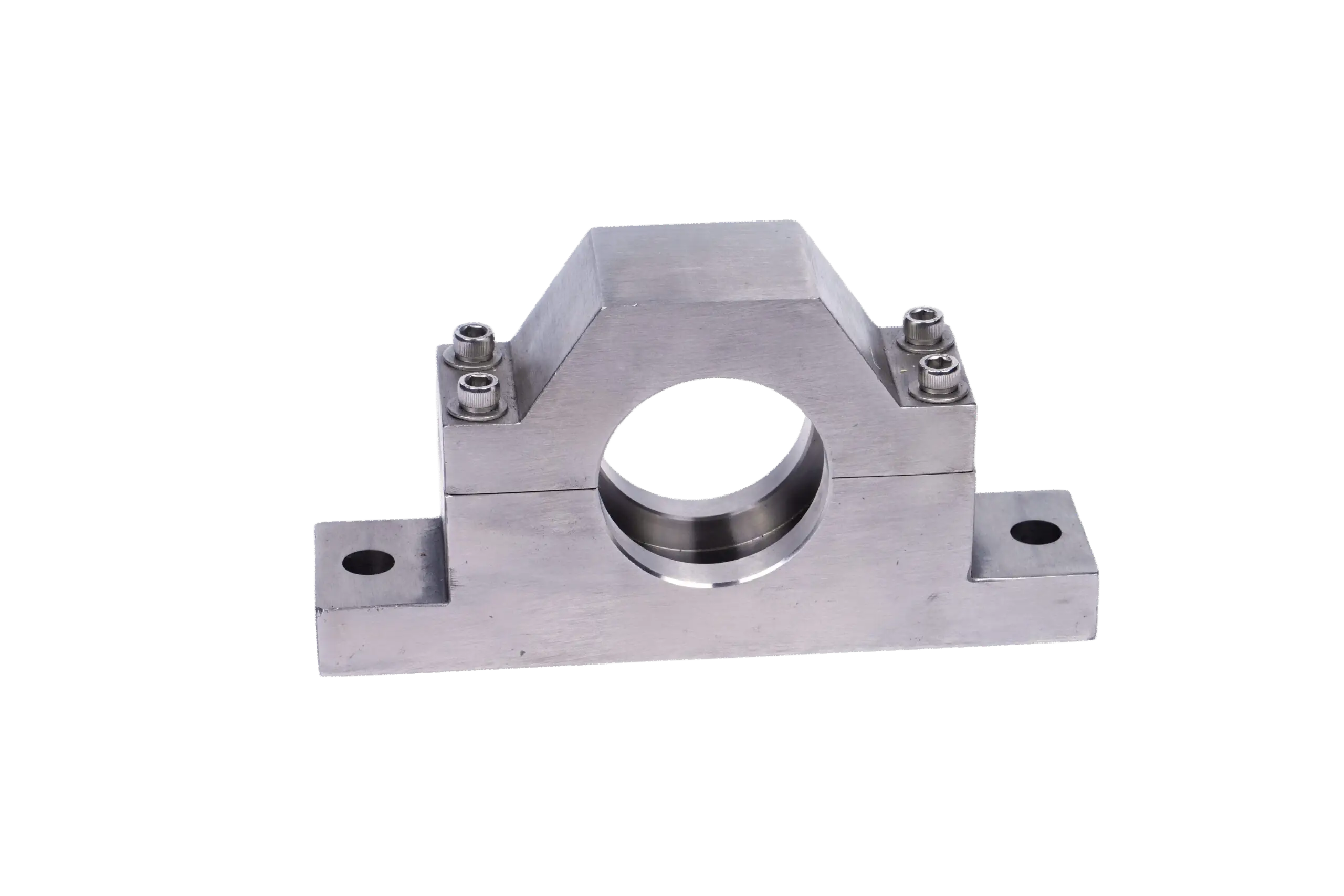
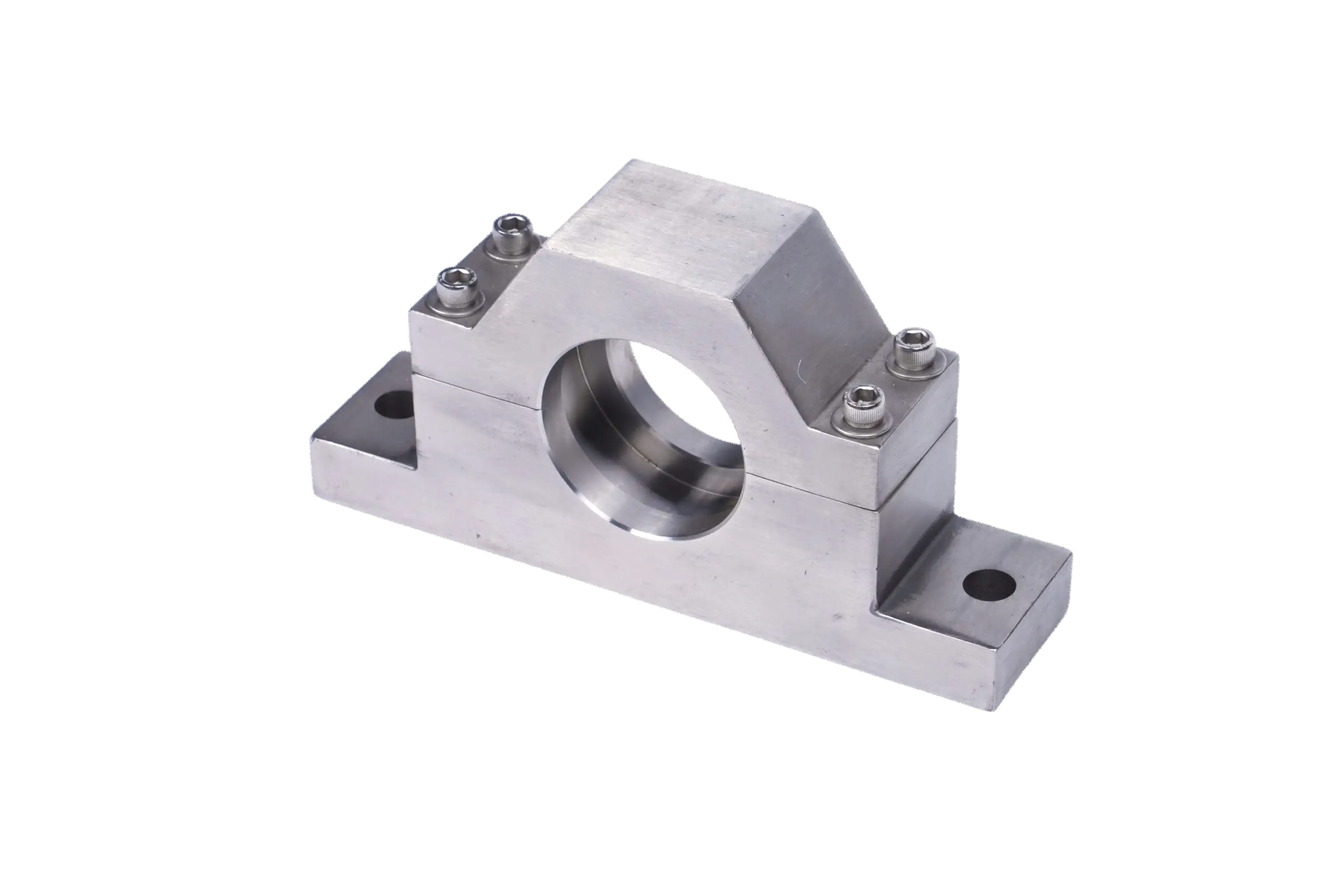
Description
Introduction: The Foundation of Reliable Rotating Machinery
In heavy industrial applications—from mining conveyors and aggregate processing to large fans and industrial mixers—supporting rotating shafts under extreme loads is a fundamental engineering challenge. The Heavy Duty Split Pillow Block Bearing Housing is specifically designed to meet this challenge. More than just a bearing holder, it is a complete, engineered assembly that provides secure shaft alignment, protects the bearing from contaminants, and simplifies maintenance in the most demanding environments. This guide explains the critical features, benefits, and selection criteria for these robust components, highlighting why they are the preferred choice for ensuring uptime and longevity in heavy-duty operations.
What is a Heavy Duty Split Pillow Block Bearing Housing?
A Heavy Duty Split Pillow Block Bearing Housing is a mounted bearing unit consisting of a sturdy housing (the “pillow block”) and a bearing insert. The key characteristic is its split design: both the housing and the bearing inner ring are divided horizontally. This allows the unit to be installed or removed from a shaft without needing to disassemble other components or slide the bearing on from the shaft end—a massive advantage for maintenance and repair.
The “Heavy Duty” designation means the housing is constructed from high-grade materials (like cast iron or ductile iron) with reinforced geometry to support larger shaft diameters and withstand higher radial and axial loads, along with significant shock and vibration.
Key Features and Engineering Advantages
Heavy-duty split pillow blocks are built to outperform standard units. Their design incorporates several critical advantages:
-
Simplified Installation & Maintenance: The split design is the most significant benefit. It allows for quick bearing inspection, lubrication, replacement, or shaft alignment checks without major machine disassembly, drastically reducing downtime.
-
Exceptional Load Capacity & Durability: Constructed from high-strength cast iron or ductile iron, these housings provide rigid support that prevents deflection under load. This protects the bearing from misalignment and premature failure.
-
Superior Sealing & Protection: Heavy-duty units are equipped with advanced, multi-layered sealing systems (often labyrinth seals with grease purges or triple-lip contact seals). This is critical for excluding dust, dirt, water, and other contaminants in harsh environments like mines, mills, or outdoor installations.
-
Accommodates Shaft Misalignment: Many designs incorporate self-aligning spherical roller bearing inserts. This allows the bearing to compensate for minor static angular misalignment between the shaft and housing base, ensuring even load distribution and longer service life.
-
Pre-Lubricated & Ready to Install: They are typically supplied as pre-assembled, greased units with proper internal clearances, ensuring they are ready for immediate, reliable service.
Primary Applications in Demanding Industries
These housings are the backbone of shaft support in countless heavy-industrial applications:
-
Bulk Material Handling: Supporting the head and tail pulleys on large conveyor systems in mining, logging, and agriculture.
-
Aggregate & Cement Processing: On crushers, screens, ball mills, and rotary kilns where shock loads are extreme.
-
Pulp & Paper Manufacturing: For large dryer rolls, press rolls, and winders.
-
Fans & Blowers: Supporting heavy fan shafts in HVAC, power generation, and industrial ventilation.
-
Heavy-Duty Processing Machinery: In mixers, extruders, and large pumps within chemical and food processing plants.
Selection Guide: Specifying the Right Housing for Your Application
Choosing the correct heavy-duty split pillow block requires careful analysis of your operating conditions. Follow this decision framework:
| Selection Criteria | Key Parameters & Questions | Impact on Performance & Life |
|---|---|---|
| Shaft Size & Load | What is the shaft diameter? What are the radial and axial loads (both static and dynamic)? | Determines the required housing size and bearing type (e.g., spherical roller for high radial/heavy shock, tapered roller for combined loads). The housing must have a static load rating exceeding the application’s maximum force. |
| Operating Environment | Is the environment dusty, wet, corrosive, or high-temperature? Are there washdown procedures? | Dictates the required seal type (e.g., triple-lip seals for dust, labyrinth with grease purge for slurry). May require special housing coatings or stainless steel components. |
| Speed & Temperature | What is the operational RPM? What is the ambient and expected operating temperature range? | Influences bearing type, lubrication (grease type/viscosity), and internal clearance (C3, C4). High speeds may require balancing. |
| Mounting & Alignment | How will the unit be mounted (sole plate, slide base, flanged)? Is shaft misalignment anticipated? | Determines housing base style. Self-aligning bearing inserts are highly recommended unless mounting surfaces are guaranteed to be perfectly parallel. |
| Lubrication Method | Will it be manually re-greased, centrally lubricated, or use an oil bath/ring system? | Determines the need for grease fittings (zerks), relief plugs, or sight glasses. Central lubrication ports are common on heavy-duty units. |
Installation and Maintenance Best Practices
To ensure the housing delivers its full service life:
-
Proper Mounting Surface: The mounting surface (e.g., sole plate) must be flat, clean, and level to prevent housing distortion.
-
Correct Installation: Use a dial indicator to ensure the shaft is centered in the housing bore before fully tightening the cap bolts. Follow the manufacturer’s torque specifications precisely.
-
Alignment: Precisely align connected shafts using laser or dial indicator tools. Even self-aligning bearings have limits.
-
Lubrication Schedule: Adhere strictly to the manufacturer’s recommended lubrication type, quantity, and interval. Over-greasing can damage seals as severely as under-greasing.
-
Regular Inspection: Periodically check for abnormal noise, vibration, or heat. Inspect seals for damage and look for signs of lubricant leakage or contamination ingress.
Conclusion: A Strategic Investment in Uptime
For machinery that operates under heavy loads in challenging conditions, the bearing housing is not an accessory; it is a critical system component. A Heavy Duty Split Pillow Block Bearing Housing represents a strategic investment in reduced maintenance time, extended bearing life, and overall equipment reliability.
By carefully selecting a housing matched to your specific load, environment, and speed requirements, and by following proper installation and maintenance procedures, you create a robust foundation for your rotating equipment. This foresight minimizes unplanned downtime, lowers long-term maintenance costs, and ensures your operations run smoothly and efficiently.
Disclaimer: This guide provides general information. Always consult the specific manufacturer’s technical data, installation manual, and engineering team for your application. Bearing and housing selection should be performed by qualified personnel.
For detailed specifications, load ratings, and dimensional drawings, visit the official product page:
Heavy Duty Split Pillow Block Bearing Housing – Dongpei
Partnering with a knowledgeable distributor or directly with a manufacturer who can provide application engineering support is the best way to ensure an optimal selection.