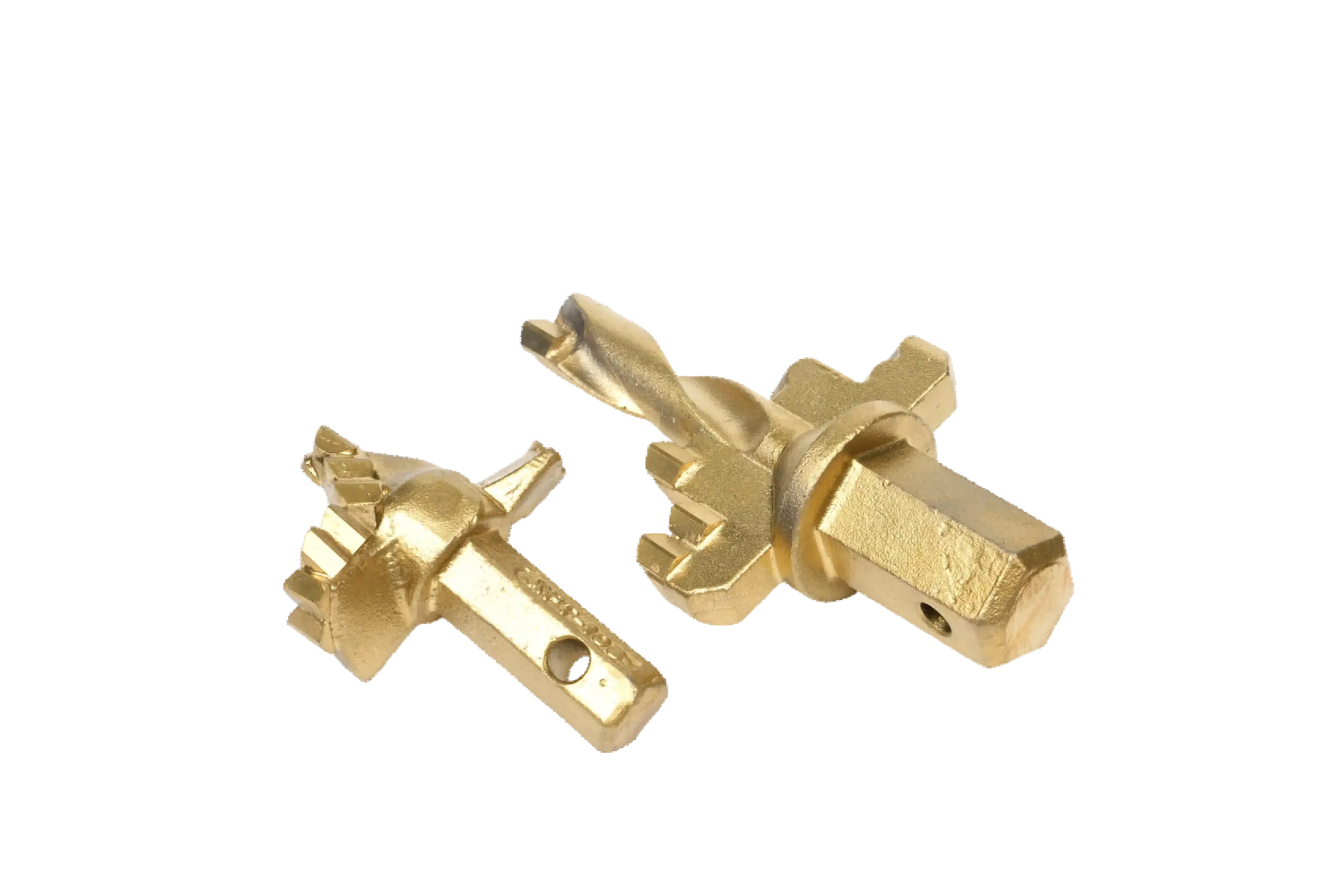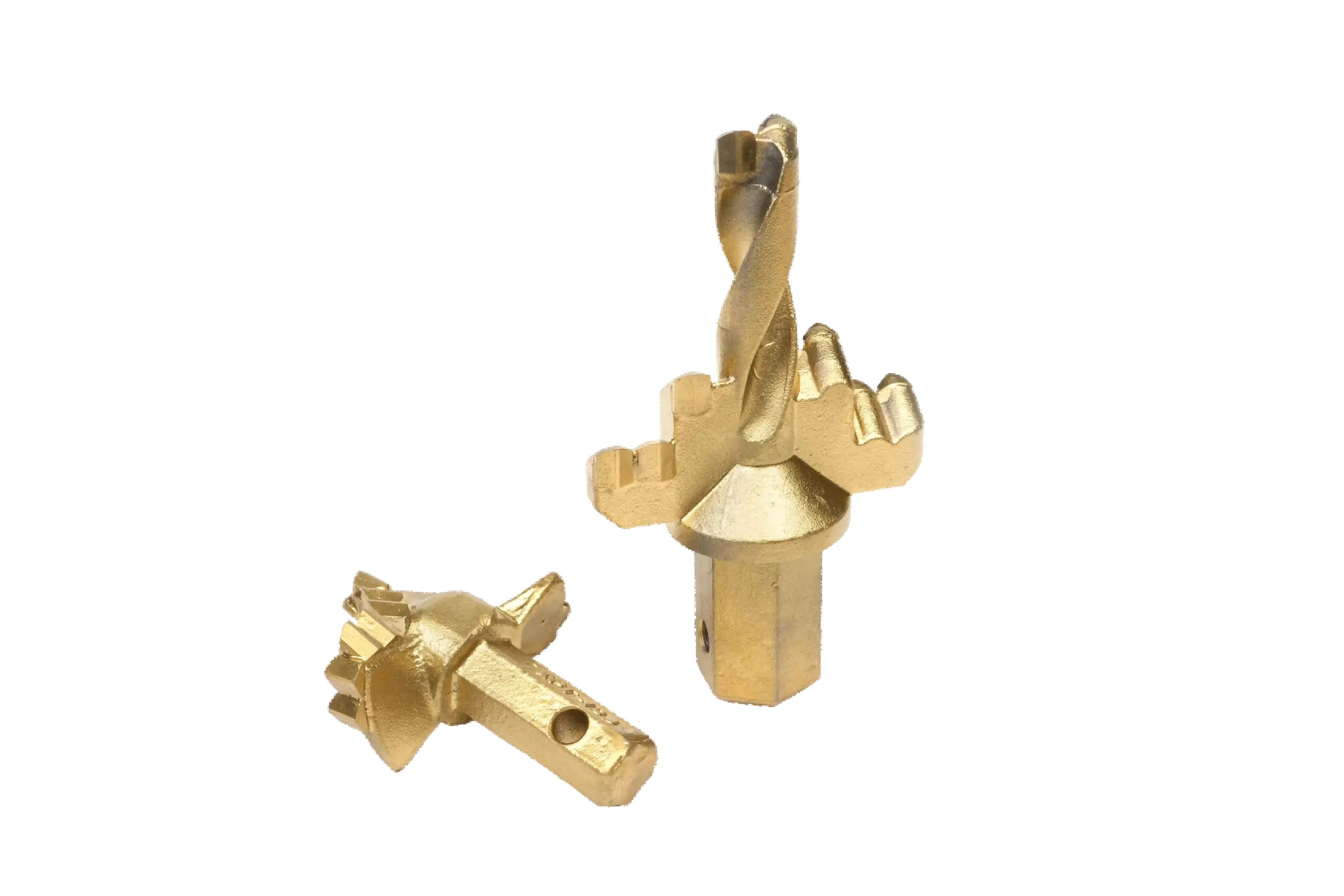
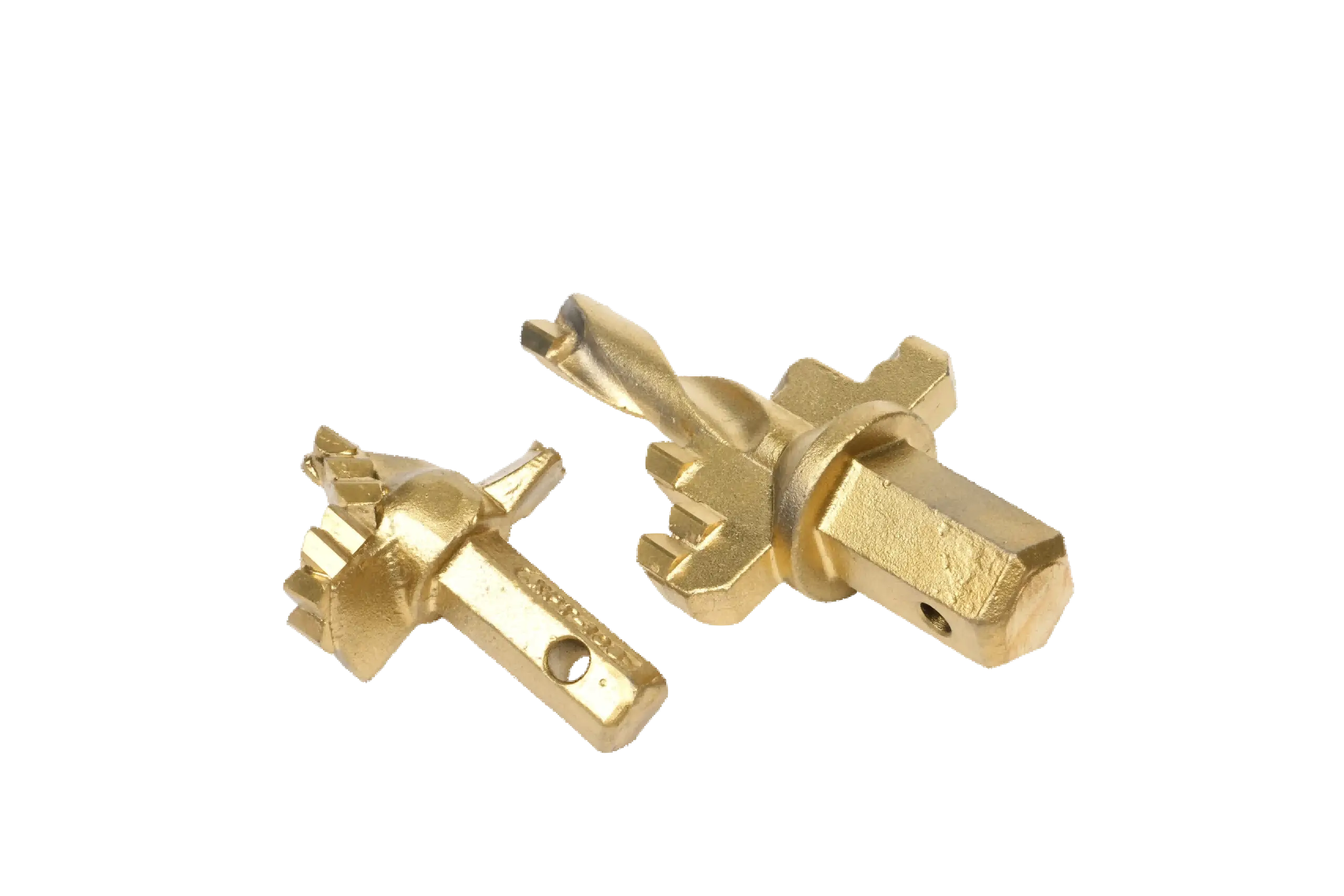
Description
Introduction: The Foundation of Modern Industry
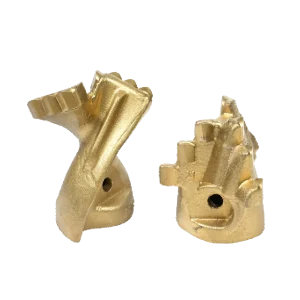
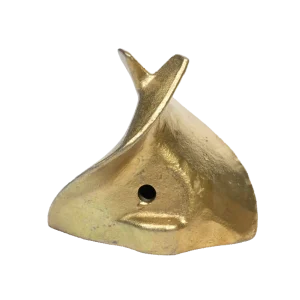
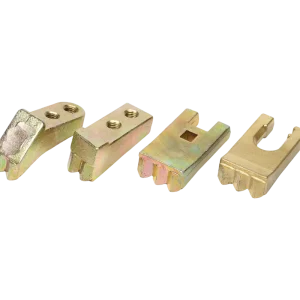
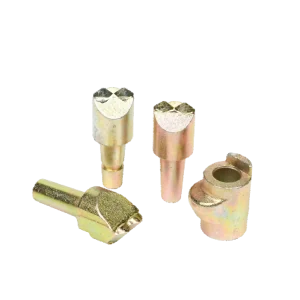
In an age defined by technological advancement, the machines and devices that drive progress are built upon a foundation of meticulously engineered components. Industrial Precision Metal Parts are not mere commodities; they are the critical elements that enable accuracy, reliability, and performance in everything from life-saving medical devices to high-speed aerospace systems. Selecting the right Industrial Precision Metal Parts Manufacturers is therefore one of the most consequential decisions for engineers and OEMs. This guide explores the hallmarks of precision manufacturing, the technologies involved, and provides a clear framework for identifying a manufacturing partner capable of meeting the exacting standards of today’s most demanding industries.
What Defines Industrial Precision Metal Parts?
“Precision” in this context is a measurable standard, not a marketing term. Industrial Precision Metal Parts are components manufactured to exceptionally tight dimensional tolerances, often within microns (thousandths of a millimeter). Their production is characterized by:
-
Extreme Accuracy: Consistent conformity to design specifications for features like diameters, hole positions, and surface profiles.
-
Superior Surface Finish: A controlled, smooth surface texture that minimizes friction, wear, and fatigue initiation points.
-
Complex Geometries: The ability to produce intricate shapes, thin walls, and fine details that are impossible with conventional machining.
-
Material Integrity: Use of high-performance alloys (stainless steel, aluminum, titanium, exotic metals) processed to maintain their desired mechanical properties.
These parts are the opposite of rough castings or simple stamped components; they are the product of advanced, controlled manufacturing processes.
Core Manufacturing Technologies and Capabilities
Top-tier manufacturers employ a suite of technologies to achieve precision. A partner’s capability is often defined by their mastery of these methods:
1. Advanced CNC Machining:
-
Multi-Axis Machining (3-axis, 4-axis, 5-axis): Allows for complex contours and features to be machined in a single setup, drastically improving accuracy and reducing cycle times.
-
Swiss-Type Turning (Sliding Headstock Lathes): Ideal for producing long, slender, complex shafts and pins with diameters down to a fraction of a millimeter.
-
Precision Grinding: Used to achieve the tightest tolerances (±0.0001″ / 0.0025mm) and finest surface finishes on hardened materials.
2. Complementary High-Precision Processes:
-
Electrical Discharge Machining (EDM): Uses electrical sparks to shape extremely hard metals or create intricate cavities and sharp internal corners.
-
Laser Cutting & Welding: For precise, clean cuts and minimal-distortion welds on thin materials.
-
Photochemical Etching: A cost-effective method for producing complex, burr-free flat parts from thin metal sheets.
3. Essential Ancillary Services:
-
Heat Treatment: Processes like annealing, hardening, tempering, and stress relieving to achieve specified material properties.
-
Specialized Finishing: Passivation, anodizing, electropolishing, plating, and specialized coatings for corrosion resistance, wear resistance, or aesthetic requirements.
-
Advanced Metrology & Quality Assurance: In-house CMM (Coordinate Measuring Machine), optical comparators, surface profilometers, and roundness testers to verify every dimension.
Key Industries and Applications
Precision is non-negotiable in these sectors:
-
Aerospace & Defense: Turbine blades, fuel system components, landing gear parts, and avionics housings where failure is catastrophic.
-
Medical & Surgical Devices: Implants (knees, hips), surgical instrument components, and diagnostic equipment requiring biocompatibility and flawless function.
-
Semiconductor & Electronics: Wafer handling robots, vacuum chamber components, and heat sinks where micron-level precision ensures chip yield.
-
Automotive (Performance & EV): Fuel injectors, transmission components, sensor housings, and electric motor parts.
-
Optics & Photonics: Mounts, lens barrels, and laser components where alignment is measured in wavelengths of light.
The Partner Selection Framework: Beyond the Quote
Choosing a manufacturer is a strategic partnership. Price is a factor, but capability and reliability are paramount. Use this comprehensive checklist:
| Evaluation Criteria | Key Indicators & Questions for the Manufacturer | Impact on Your Project’s Success |
|---|---|---|
| Technical & Engineering Partnership | Do they offer full DFM (Design for Manufacturability) analysis? Do they have application engineers to consult on material and process selection? | Prevents costly design flaws, optimizes the part for production, reduces lead time and total cost. |
| Quality Certifications & Systems | What quality management systems are in place? (ISO 9001 is baseline; ISO 13485 for medical, AS9100 for aerospace are critical). Can they provide full material and process traceability? | Mandatory for regulated industries. Ensures consistent processes, satisfies audits, and mitigates liability. |
| Manufacturing Technology & Capacity | What is their machine portfolio? Can they handle the required tolerances and volumes—from prototype to production? What is their average lead time? | Determines if they can physically produce your part to spec and scale with your business needs. |
| Metrology & Inspection Capability | What inspection equipment do they have in-house? Do they provide First Article Inspection (FAI) reports and statistical process control (SPC) data? | Provides objective proof of quality. Catching errors in-house prevents defective parts from reaching you. |
| Industry-Specific Experience | Do they have a proven track record in your industry? Can they provide references or case studies? | Demonstrates understanding of unique standards, material requirements, and regulatory landscapes. Reduces risk significantly. |
The Total Cost of Precision: Understanding Value
While the unit price of a precision part is important, the Total Cost of Ownership (TCO) is the true metric:
-
Cost of Quality: A part that fails in the field or causes assembly issues costs far more than its purchase price in warranty claims, rework, and brand damage.
-
Cost of Delay: A manufacturer that misses deadlines disrupts your entire supply chain and product launch.
-
Cost of Management: A partner that requires constant oversight and quality battles consumes valuable engineering and procurement time.
A premium manufacturer may have a higher unit cost but delivers a lower TCO through flawless quality, on-time delivery, and seamless collaboration.
Conclusion: Your Partner in Innovation
The quality of your product is inextricably linked to the quality of its smallest, most precise components. Industrial Precision Metal Parts Manufacturers are the unsung enablers of innovation, transforming CAD models into physical reality with microscopic accuracy.
By selecting a partner who demonstrates not just machining skill, but also engineering prowess, rigorous quality systems, and a deep understanding of your industry’s demands, you do more than outsource production—you gain a critical extension of your own technical team. This partnership is the bedrock upon which reliable, high-performance products are built.
Disclaimer: This guide is for informational purposes. Engaging a manufacturing partner should involve thorough due diligence, including site audits and trial orders where feasible.
To explore precision manufacturing capabilities and begin a technical discussion, you can inquire with specialized manufacturers. While a specific product page was referenced, the evaluation framework above applies universally to finding a top-tier partner in Industrial Precision Metal Parts Manufacturing.