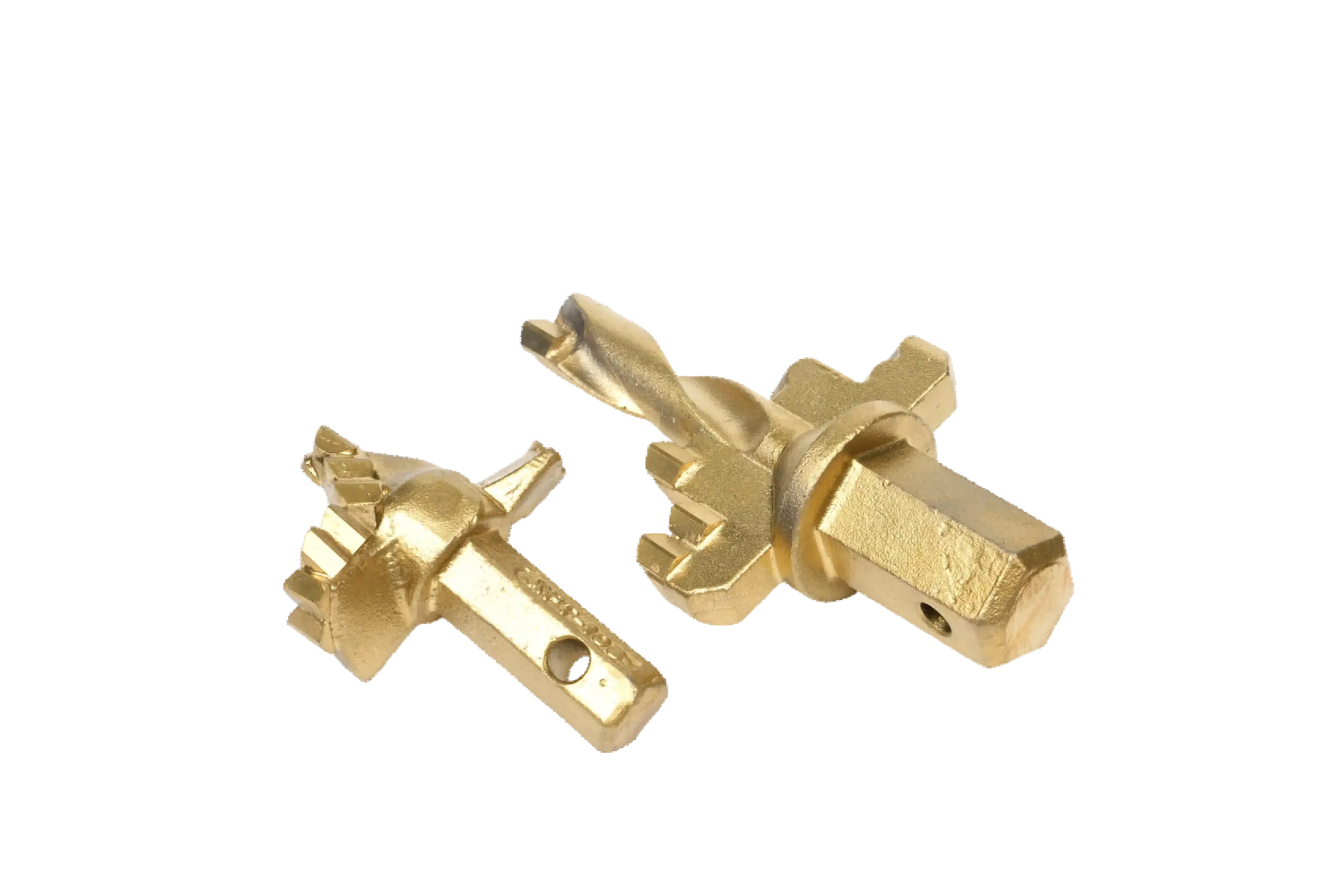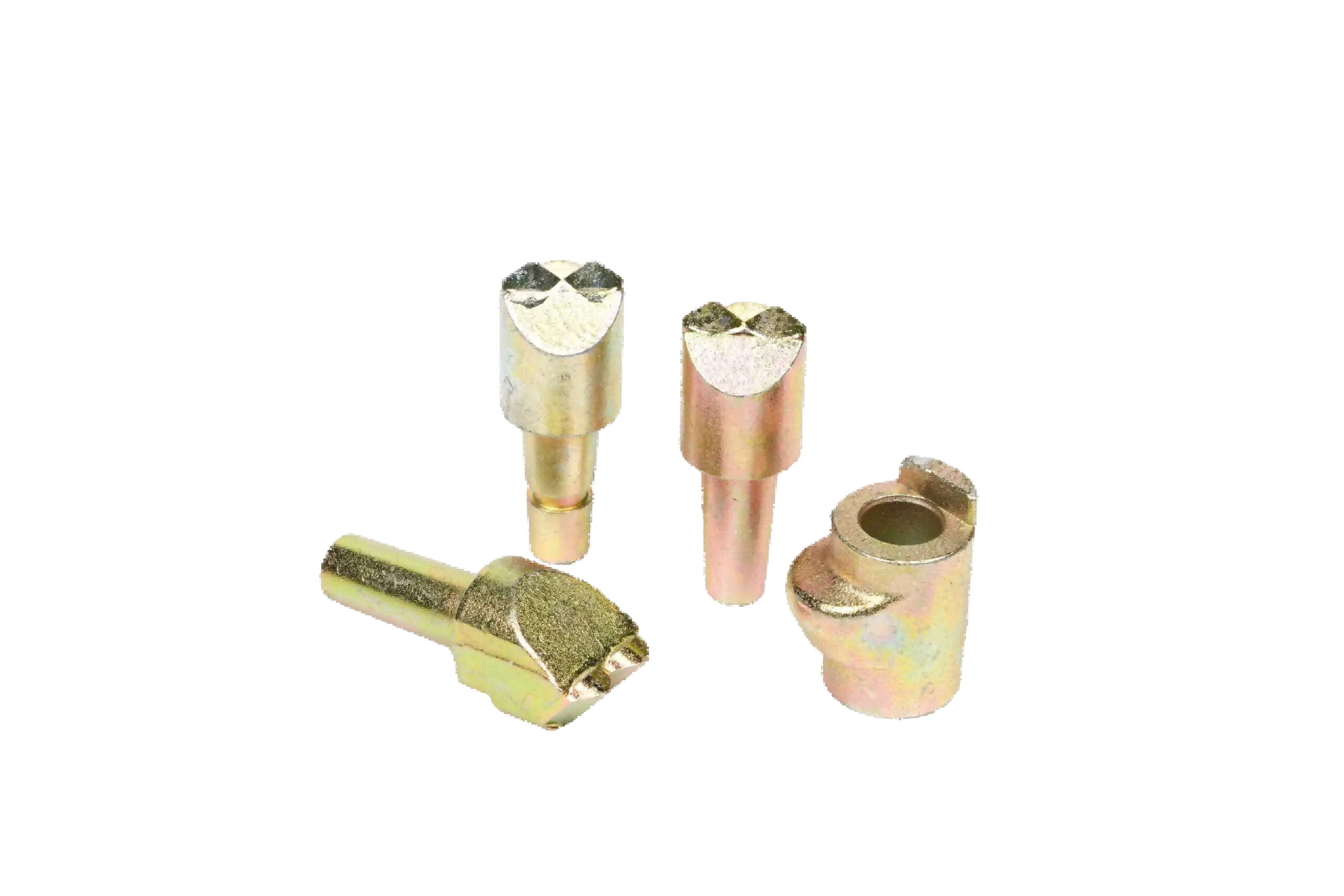

Description
Executive Summary
For global OEMs and engineering firms, sourcing reliable Corrosion Resistant Steel Parts Suppliers in China represents a significant strategic opportunity to balance exceptional quality with competitive cost. China’s manufacturing sector has evolved into a global leader in precision metalworking, offering deep expertise in advanced stainless steels, duplex alloys, and specialized coatings. This guide provides a comprehensive roadmap for identifying, evaluating, and partnering with top-tier Chinese suppliers of corrosion-resistant components, ensuring you secure parts that meet stringent international standards for performance, durability, and value.
1. The Chinese Advantage in Corrosion-Resistant Manufacturing
China’s dominance in metal parts manufacturing is built on a powerful combination of scale, skill, and continuous technological investment. For corrosion resistant steel parts, this translates to:
-
Unmatched Material Access: Proximity to major steel producers and alloy specialists ensures access to a full spectrum of grades—from standard AISI 304/316 stainless to super duplex (2507), super austenitic (904L), and nickel alloys.
-
Advanced Process Integration: Leading suppliers vertically integrate processes like precision casting, CNC machining, heat treatment, and surface finishing (passivation, electropolishing, PVD coating) under one roof, ensuring quality control and shorter lead times.
-
Cost-Effective Engineering: The combination of technical engineering talent and efficient production ecosystems allows for high-complexity parts at a compelling total cost of ownership (TCO).
2. Understanding Corrosion-Resistant Steel Alloys
Specifying the correct material is the first critical step. Reputable Chinese suppliers are proficient in the following key families:
Primary Alloy Families:
| Alloy Family | Common Grades | Key Properties & Typical Applications |
|---|---|---|
| Austenitic Stainless | 304, 304L, 316, 316L | Excellent general corrosion resistance, formability, and hygiene. Most widely used for food processing, chemical containers, architectural hardware. |
| Duplex Stainless | 2205 (S31803), 2507 (S32750) | High strength (2x 304), excellent resistance to chloride stress corrosion cracking. Ideal for offshore oil & gas, chemical processing, seawater systems. |
| Martensitic & Precipitation-Hardening | 410, 420, 17-4 PH | High strength/hardness, moderate corrosion resistance. Used for valves, pumps, shafts, and aerospace fittings requiring specific mechanical properties. |
| Nickel Alloys | Hastelloy C-276, Inconel 625 | Exceptional resistance to extreme corrosive environments (acids, chlorine). Critical for chemical processing, pollution control, and aerospace. |
Specialized Coatings & Finishes: Beyond base material, suppliers offer advanced surface treatments like Electroless Nickel Plating (ENP), PTFE (Teflon) coatings, and ceramic coatings to enhance performance in specific chemical or high-wear environments.
3. Technical Capabilities of Leading Suppliers
When vetting potential partners, verify their competency in these essential manufacturing and quality processes:
-
Precision Machining: Capability in multi-axis CNC milling (3+ axis) and CNC turning to produce complex geometries with tight tolerances (often ±0.005mm or better).
-
Fabrication Expertise: Proficiency in welding corrosion-resistant alloys using TIG (GTAW) and laser processes that preserve the material’s corrosion integrity in the heat-affected zone (HAZ).
-
Comprehensive Quality Assurance (QA):
-
Material Certification: Supply of full Mill Test Certificates (MTCs) with traceability to the steel melt.
-
Chemical & Mechanical Testing: In-house spectrometers for material verification and tensile/hardness testers.
-
Dimensional Inspection: Use of CMM (Coordinate Measuring Machines), optical comparators, and advanced metrology.
-
Corrosion Validation: Salt spray (fog) testing per ASTM B117 and other industry-specific corrosion tests.
-
4. Supplier Evaluation and Due Diligence Framework
A systematic approach is crucial for successful sourcing. Follow this multi-stage framework:
Phase 1: Discovery & Shortlisting
-
Platform Research: Utilize B2B platforms like Made-in-China.com or Global Sources, but prioritize suppliers with verified certifications (ISO 9001, ISO 14001).
-
Technical Questionnaire: Issue a detailed RFQ (Request for Quotation) requiring information on material grades, equipment lists, quality control procedures, and industry experience.
Phase 2: Capability Verification
-
Factory Audit (Virtual or On-Site): Essential. Inspect machinery, cleanliness (critical for stainless), quality lab, and discuss processes with engineers.
-
Sample Order: Before full production, order a first article inspection (FAI) sample. Perform your own dimensional and material tests.
-
Reference Check: Request contact information for existing international clients in your industry.
Phase 3: Partnership & Logistics
-
Clear Specifications: Provide detailed technical drawings with Geometric Dimensioning and Tolerancing (GD&T), material specs (ASTM/ISO), and finish requirements.
-
IP Protection: Sign a comprehensive Non-Disclosure Agreement (NDA) and consider tooling ownership clauses.
-
Logistics Management: Understand Incoterms (e.g., FOB, CIF, DAP). Partner with a reliable freight forwarder experienced in handling metal parts from China.
5. Industry Applications and Success Factors
Chinese suppliers excel in providing components for:
-
Chemical & Petrochemical Processing: Reactor vessels, heat exchanger tubes, valve bodies, and pump casings.
-
Marine & Offshore: Ship fittings, deck hardware, ballast water system components, and offshore platform fixtures.
-
Food & Beverage Processing: Tanks, piping, valves, and mixing equipment requiring hygienic, cleanable surfaces.
-
Pharmaceutical & Biotechnology: Process piping, fermenters, and filtration housings meeting cGMP standards.
-
Architecture & Construction: High-end exterior cladding, structural fasteners, and railings for coastal environments.
Critical Success Factor: Communication
Overcoming language and time zone barriers is vital. Designate a bilingual technical liaison on your team and use clear visual aids (drawings, diagrams). Regular video conferences during project kick-off and milestone reviews prevent misunderstandings.
6. Risk Mitigation and Quality Assurance Strategies
Proactively manage potential risks:
-
Dual-Source Critical Components: For high-volume or mission-critical parts, qualify a second supplier to ensure supply chain resilience.
-
Third-Party Inspection: Hire reputable third-party inspection agencies (like SGS, Bureau Veritas, or TÜV) for pre-shipment inspections (PSI) during initial production runs.
-
Progressive Payments: Structure payments to align with milestones (e.g., 30% deposit, 40% after pre-shipment inspection approval, 30% after delivery).
7. Conclusion: Building a Strategic Supply Partnership
Sourcing corrosion resistant steel parts from China is not merely a cost-saving tactic; it is an opportunity to build a strategic partnership with a world-class manufacturing base. By conducting thorough due diligence, emphasizing clear technical communication, and implementing robust quality controls, international buyers can reliably access premium components that drive innovation and competitiveness in their end products.
The most successful partnerships are built on transparency, mutual respect, and a shared commitment to engineering excellence.
Disclaimer: This guide is for informational purposes. International trade involves complexities including tariffs, export controls, and logistics. Consult with legal and international trade experts for specific advice.
Ready to explore qualified suppliers? Begin your search with a focus on technical capability and certified quality systems. A direct inquiry referencing specific material grades (e.g., “ASTM A240 316L”) and application requirements will attract serious, capable manufacturers.