Description
Introduction: The Engineered Shell for Advanced Technology
In today’s world of high-performance electronics, medical devices, aerospace systems, and industrial automation, the housing that protects sensitive components is as critical as the technology within. A Custom Machined Aluminum Alloy Enclosure is far more than a simple box; it is a precision-engineered solution that provides structural integrity, thermal management, EMI/RFI shielding, and aesthetic form. For OEMs and engineers, partnering with a manufacturer that specializes in these components is a strategic decision that impacts product reliability, manufacturability, and market success. This guide details the process, benefits, and selection criteria for Custom Machined Aluminum Alloy Enclosures, empowering you to make informed decisions for your next product design.
What Are Custom Machined Aluminum Alloy Enclosures?
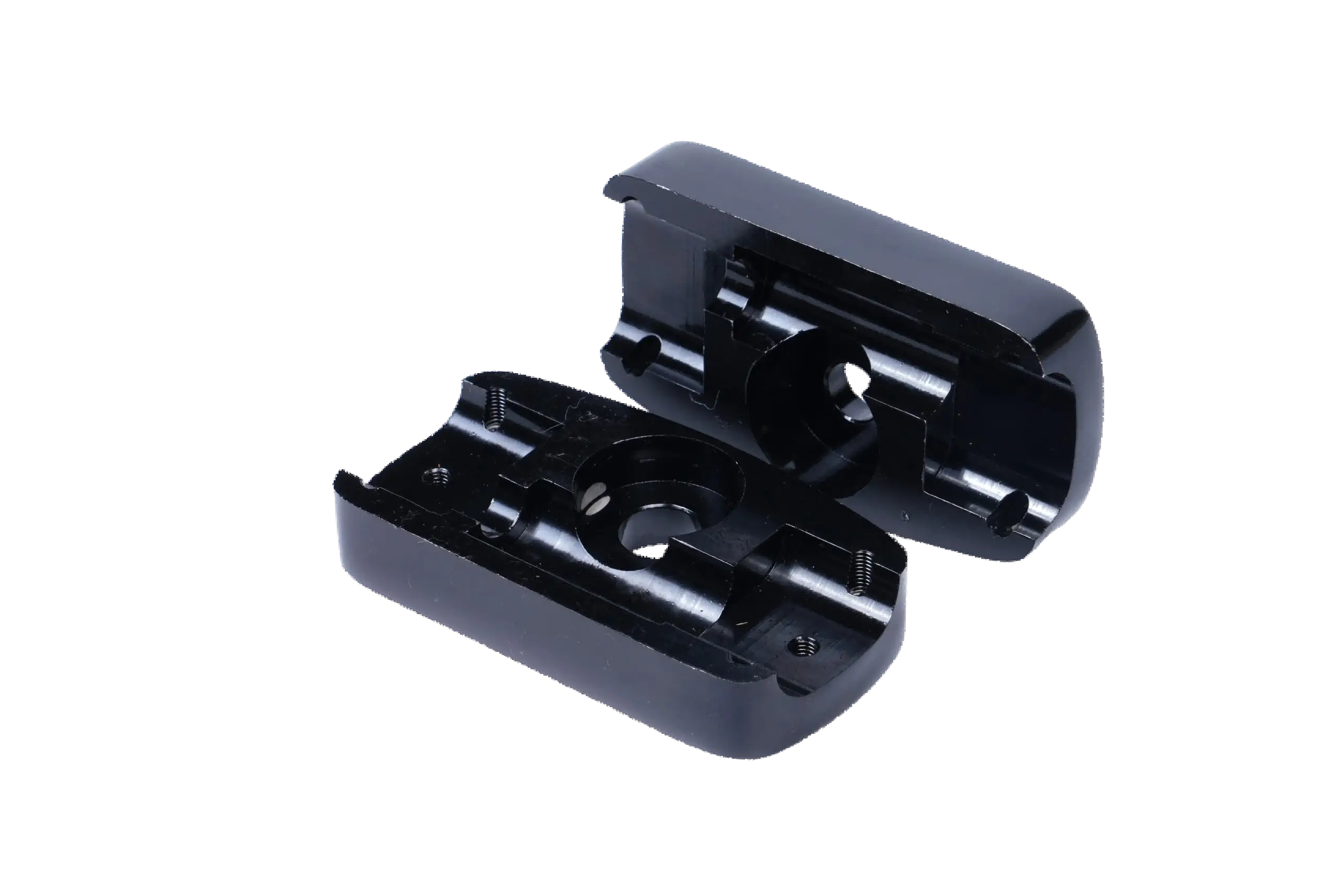
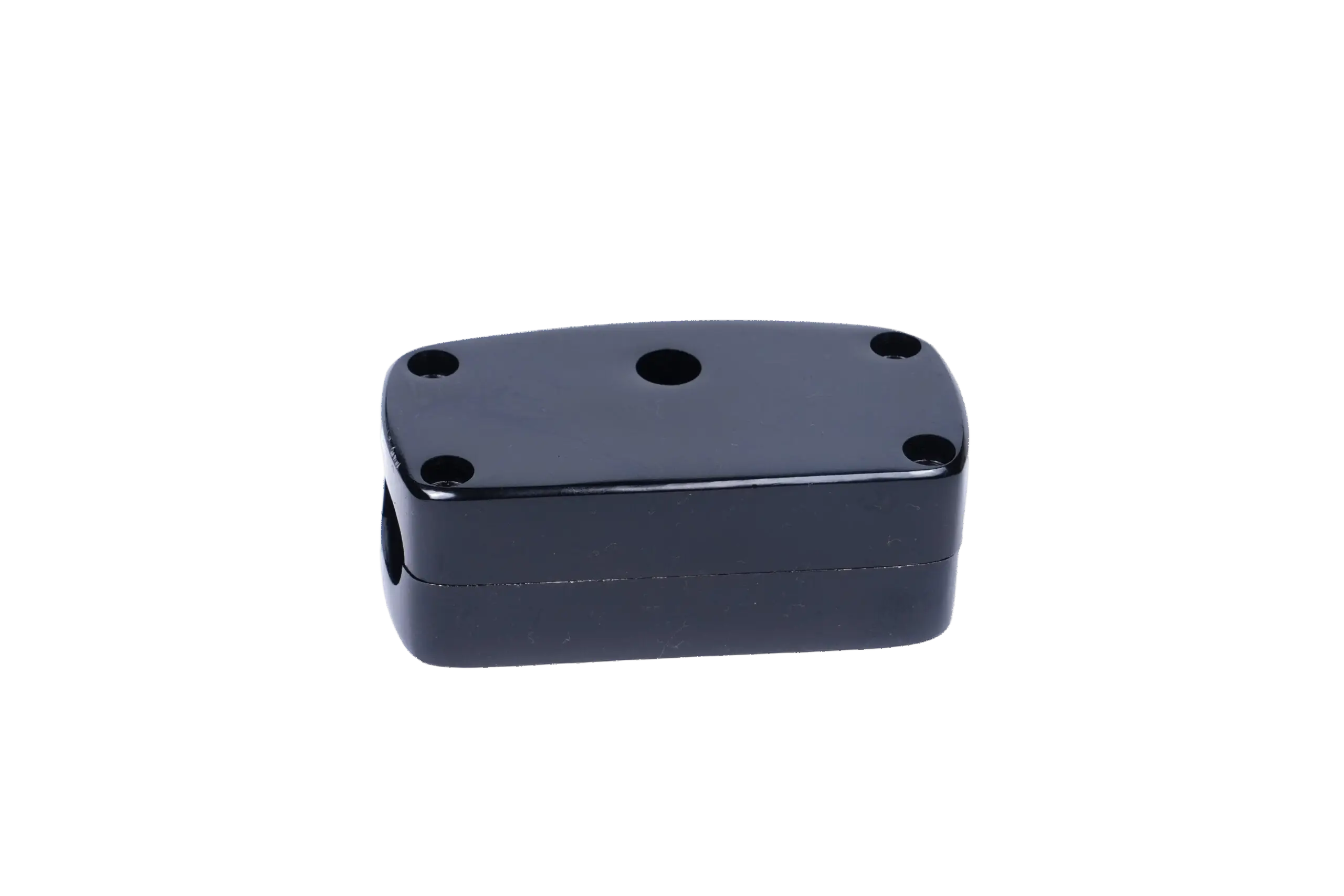
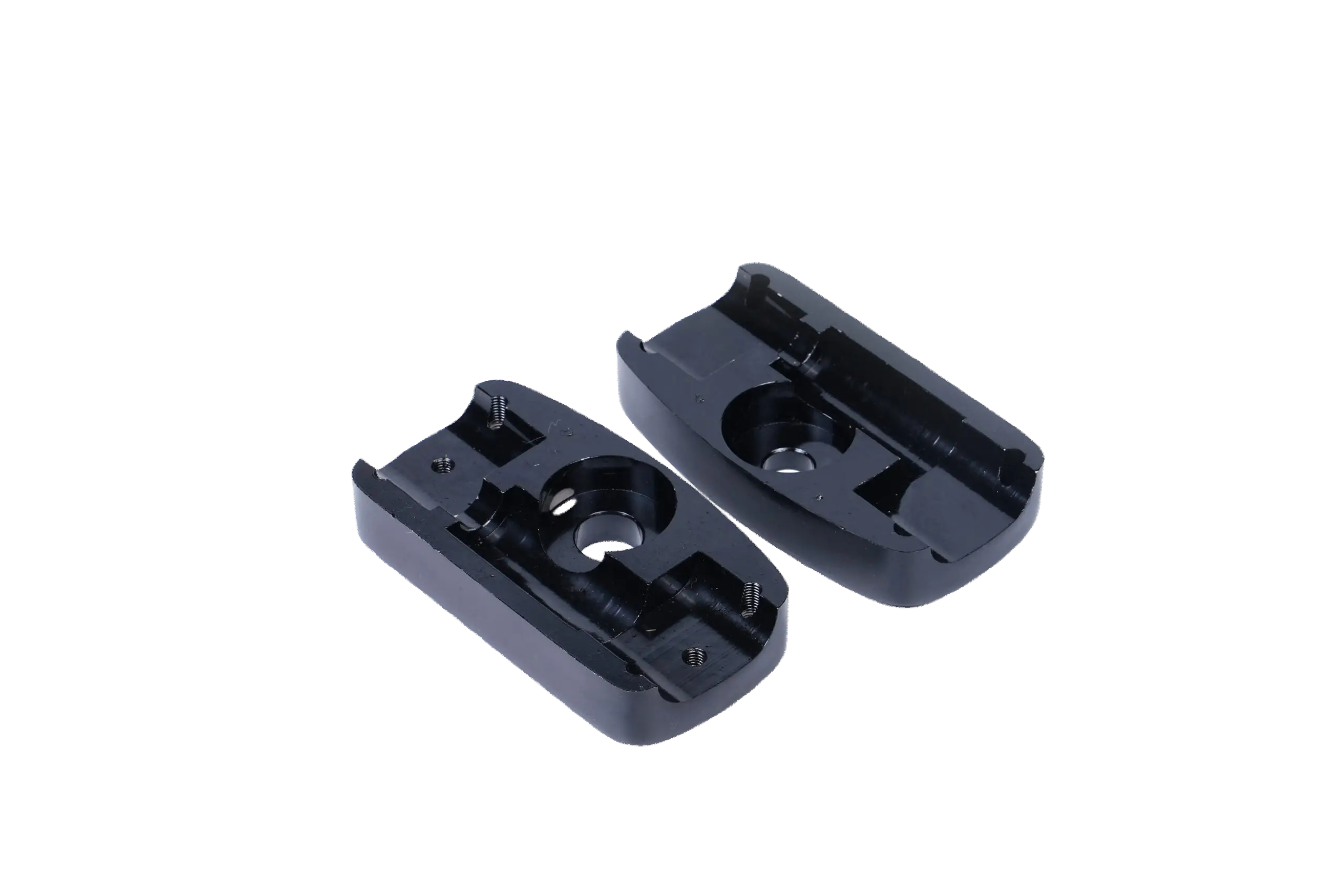
A Custom Machined Aluminum Alloy Enclosure is a protective housing fabricated to exact customer specifications from solid aluminum billet or plate using Computer Numerical Control (CNC) machining processes. “Custom” means every dimension, feature, and finish is tailored to the application, while “machined” signifies a subtractive manufacturing method that offers superior precision and strength compared to fabrication or die casting.
These enclosures are used to house:
-
Electronic Components: PCBs, servers, sensors, and control systems.
-
Mechanical Assemblies: Precision instruments, actuators, and laboratory equipment.
-
Communications Gear: RF devices, antennas, and networking hardware.
Advantages of Machined Aluminum Alloy Enclosures
Choosing a machined enclosure delivers distinct, measurable advantages over other manufacturing methods:
1. Design Freedom & Precision:
-
Unmatched Complexity: CNC machining can create intricate internal features, undercuts, deep cavities, and complex 3D geometries that are impossible with casting or extrusion.
-
Extreme Tolerances: Capable of holding tolerances within ±0.005 inches (±0.127 mm) or tighter on critical features, ensuring perfect fit for internal components and external interfaces.
-
Rapid Prototyping & Revisions: Design changes can be implemented quickly by modifying the CNC program, allowing for fast design iteration and validation.
2. Superior Material & Mechanical Properties:
-
High Strength-to-Weight Ratio: Aluminum alloys (like 6061-T6) provide excellent structural rigidity without the weight of steel, crucial for portable or aerospace applications.
-
Excellent Thermal Conductivity: Aluminum effectively dissipates heat from internal components, often eliminating the need for separate heatsinks or active cooling systems.
-
Natural EMI/RFI Shielding: When properly designed, a solid aluminum enclosure creates a Faraday cage, protecting sensitive electronics from electromagnetic interference.
-
Corrosion Resistance: Many aluminum alloys, especially when anodized, offer good resistance to oxidation and corrosion.
3. Enhanced Aesthetics & Functionality:
-
Premium Finish Options: Can be anodized (in any color), powder coated, bead blasted, or chem filmed for durability, appearance, and additional corrosion protection.
-
Integrated Features: Threads, mounting bosses, connector cutouts, and labels can be machined directly into the part, reducing assembly time and part count.
The Custom Machining Process: From CAD to Finished Part
Working with a skilled manufacturer typically follows this collaborative workflow:
-
Design & Engineering Consultation: You provide conceptual drawings or 3D CAD models. The manufacturer’s engineers perform DFM (Design for Manufacturability) analysis, suggesting optimizations to reduce cost and improve machinability without compromising function.
-
Quotation & Planning: The manufacturer provides a detailed quote based on material, machining time, secondary operations, and volume. A production plan is established.
-
Programming & Setup: CAM (Computer-Aided Manufacturing) software converts the 3D model into toolpaths for CNC mills and lathes. Fixtures are designed to hold the raw material.
-
Precision Machining: Multi-axis CNC machines mill the enclosure from solid aluminum block, often performing operations on multiple sides in a single setup for accuracy.
-
Deburring & Secondary Operations: Parts are deburred, and secondary processes like tapping threads, installing inserts, or machining final critical features are completed.
-
Surface Finishing & Quality Control: Parts undergo the specified finish (anodizing, etc.) and are rigorously inspected using CMMs, calipers, and other metrology tools against the original drawing.
Key Industries and Applications
-
Aerospace & Defense: Avionics boxes, flight data recorders, military communications equipment requiring lightweight, rugged housings.
-
Medical & Life Sciences: Diagnostic equipment, surgical device housings, portable monitors where cleanliness, shielding, and precision are vital.
-
Test & Measurement: Precision instruments, data loggers, and sensor housings that require dimensional stability and EMI shielding.
-
Industrial Automation & Robotics: Controller enclosures, drive housings, and sensor packages for factory floors.
-
High-End Consumer Electronics: Commercial audio/video equipment, premium computing devices, and prototype housings.
Manufacturer Evaluation Framework
Selecting the right partner is critical. Use this checklist to assess potential Custom Machined Aluminum Alloy Enclosures manufacturers:
| Evaluation Criteria | Key Indicators & Questions | Impact on Your Project |
|---|---|---|
| Engineering & DFM Support | Do they have in-house engineering staff to actively improve our design? Can they provide a formal DFM report? | Directly reduces part cost, improves reliability, and prevents production delays due to unmanufacturable features. |
| Technical Capabilities | What is their machine portfolio (3-axis, 4-axis, 5-axis)? What is their standard tolerance capability? Can they machine large parts? | Determines if they can physically produce your design with the required complexity and precision. 5-axis capability is essential for complex parts. |
| Quality Systems & Certifications | Are they ISO 9001 certified? Do they have in-house CMM and other metrology? What First Article Inspection (FAI) reports do they provide? | Certifications and advanced inspection equipment are the best indicators of a commitment to consistent, documented quality. |
| Material & Finishing Expertise | Do they stock common alloys (6061, 7075)? Do they have in-house anodizing/powder coat or vetted partners? Can they advise on material selection? | Ensures you get the right alloy for your needs and a high-quality, consistent finish. |
| Project Management & Communication | Who is our single point of contact? What is their process for providing regular updates and handling engineering change orders (ECOs)? | Smooth communication is vital for managing timelines, costs, and design changes effectively. |
Conclusion: An Investment in Product Integrity
A Custom Machined Aluminum Alloy Enclosure is a foundational element that defines the quality, performance, and perception of your product. While the per-unit cost may be higher than off-the-shelf or fabricated options, the total value—in terms of performance, reduced assembly time, brand enhancement, and time-to-market—is often superior.
Partnering with a manufacturer that combines advanced CNC technology with deep engineering expertise transforms your design into a tangible asset that protects your technology and elevates your product in the marketplace. It is a strategic partnership that pays dividends throughout your product’s lifecycle.
Ready to start your custom enclosure project?
For the most accurate quotation and expert DFM feedback, prepare to share:
-
3D CAD Model (STEP, IGES, or Solidworks format preferred).
-
2D Drawing with critical dimensions, tolerances, and GD&T callouts.
-
Material & Finish Specifications (e.g., 6061-T6, Type III Hard Anodize Black).
-
Target Volumes (prototype, pilot run, annual forecast).
Initiate a conversation with a manufacturer’s engineering team to explore the possibilities for your Custom Machined Aluminum Alloy Enclosure.