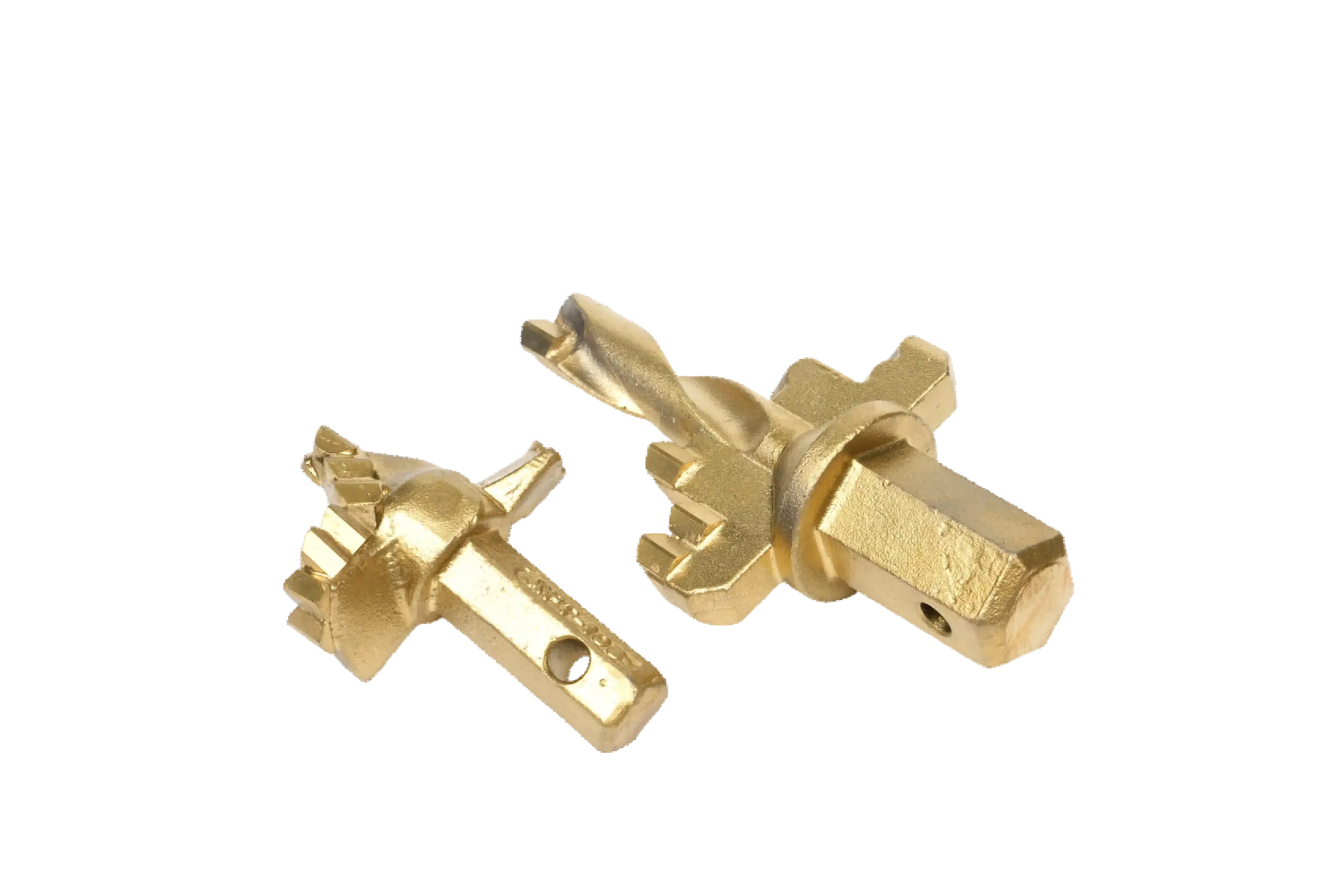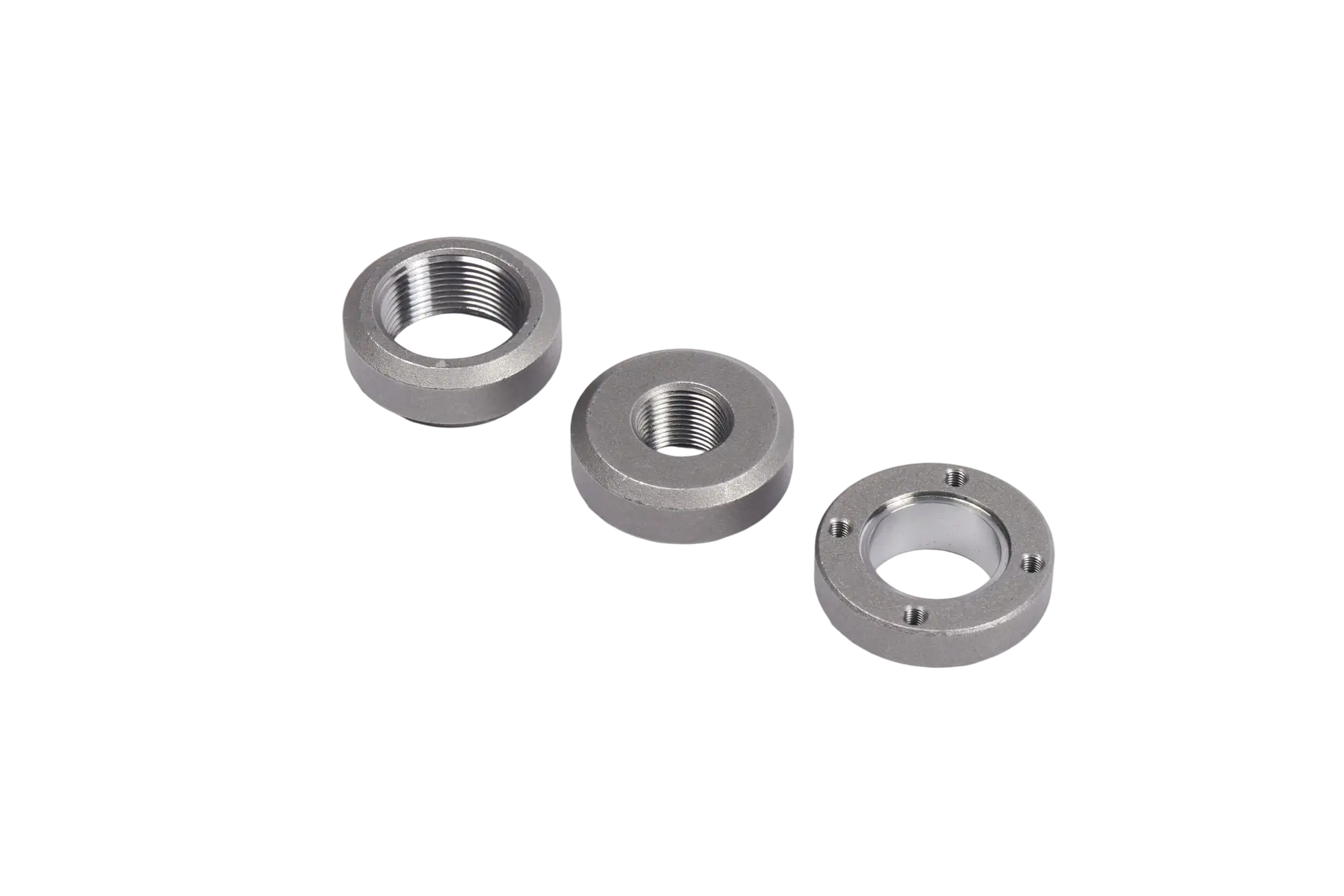
Description
Introduction: The Backbone of Industrial Reliability
In an industrial landscape defined by extreme loads, harsh environments, and zero tolerance for failure, the hardware that holds systems together cannot be an afterthought. High Strength Hardware Accessories—encompassing custom brackets, heavy-duty fasteners, specialized couplings, and structural connectors—are the critical links that ensure safety, durability, and performance. Partnering with a dedicated High Strength Hardware Accessories Factory is essential for engineers and OEMs who require more than standard catalog parts. This guide details the engineering principles, manufacturing capabilities, and selection criteria necessary to identify a factory that can deliver components capable of withstanding your most demanding challenges.
What Are High Strength Hardware Accessories?
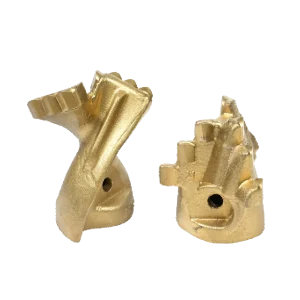
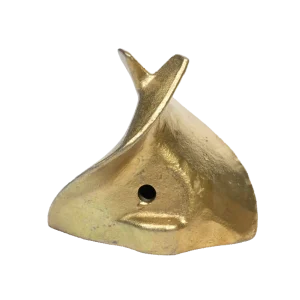
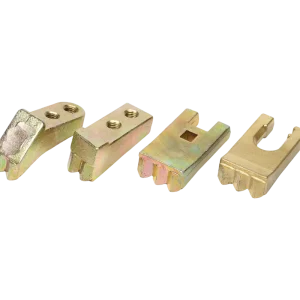
This category includes a wide range of custom-manufactured metal components designed for applications where standard hardware is insufficient. They are characterized by their engineered design, superior materials, and precise manufacturing to meet specific load, environmental, and integration requirements.
Common Types Include:
-
Custom Flanges & Couplings: For connecting shafts, pipes, or structural members under high torque or misalignment.
-
Heavy-Duty Brackets & Mounts: Designed to secure motors, pumps, or equipment in high-vibration or shock-load environments.
-
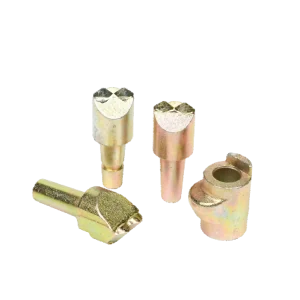
High-Strength Pins, Bushings & Links: Used in the articulation points of construction, mining, and agricultural machinery.
-
Specialty Fasteners & Studs: Bolts, nuts, and threaded components made from high-grade alloys and heat-treated for exceptional tensile and shear strength.
-
Machined Structural Components: Custom beams, plates, and connectors that form part of a machine’s load-bearing frame.
The Engineering Foundation: Material Science and Design
The “high strength” designation is achieved through a combination of intelligent design and advanced metallurgy.
1. Advanced Material Selection:
-
Alloy Steels (e.g., 4140, 4340, 8740): These medium-carbon steels are the workhorses for high-strength components. They can be heat-treated to achieve a wide range of hardness and toughness properties.
-
Stainless Steels (e.g., 17-4 PH, 316): Chosen for applications requiring both strength and corrosion resistance. Precipitation-hardening grades like 17-4 PH can achieve very high strength.
-
Tool Steels & Special Alloys: Used for extreme wear resistance or specialized high-temperature applications.
2. Critical Manufacturing Processes:
-
Precision Forging: Aligns the metal grain flow with the part’s shape, creating components with superior strength and fatigue resistance compared to machining from bar stock.
-
CNC Machining: Provides the final dimensional accuracy, tight tolerances, and required surface finishes on forged, cast, or fabricated blanks.
-
Heat Treatment (Quenching & Tempering): This is the process that unlocks a material’s potential strength. Precise control over temperature and time is critical to achieve the desired balance of hardness and ductility.
-
Surface Enhancement: Processes like shot peening induce compressive stresses on the surface, dramatically improving fatigue life—a key factor for components undergoing cyclic loading.
Key Industries and Applications
Components from a High Strength Hardware Accessories Factory are fundamental to sectors where equipment integrity is paramount:
-
Mining & Mineral Processing: In crushers, grinding mills, and conveyors subjected to immense and abrasive loads.
-
Oil, Gas & Energy: For drilling rig components, valve assemblies, and turbine linkages where failure risks are high.
-
Heavy Construction & Forestry: In excavator booms, crane hooks, and harvester joints that endure daily shock loads.
-
Agricultural Machinery: For critical driveline and implement connections in tractors and combines.
-
Material Handling & Logistics: In heavy-duty conveyor systems, lifting equipment, and automated storage/retrieval systems.
The Factory Evaluation Framework: Choosing a Capability Partner
Selecting the right factory requires a deep dive into their technical and operational capabilities. Use this framework for evaluation:
| Evaluation Criteria | Key Indicators & Questions for the Factory | Impact on Your Project’s Success |
|---|---|---|
| Engineering & Design Support | Do they have in-house engineering staff for DFM (Design for Manufacturability) and FEA (Finite Element Analysis)? Can they help optimize a design for strength and weight? | Transforms your concept into a producible, high-performance component. Prevents over-engineering and under-engineering. |
| Material & Process Expertise | Can they specify the correct alloy and heat treatment for my application’s load case and environment? Do they have in-house heat treat or certified partners? | Ensures the material properties match the design assumptions. This is the core of achieving “high strength.” |
| Core Manufacturing Capabilities | What is their primary forming method (forging, casting, fabrication)? What CNC machining capacity do they have (3-axis, 5-axis)? | Determines the fundamental strength of the part and their ability to produce complex geometries accurately. |
| Quality Assurance & Testing | What material certifications do they provide? Do they perform mechanical testing (hardness, tensile) and NDT (dye penetrant, magnetic particle)? | Provides objective, documented proof that the parts meet the specified strength and quality requirements. |
| Industry Experience & References | Do they have a portfolio of work in your specific industry? Can they provide customer references for similar high-load components? | Demonstrates a proven understanding of the unique standards, failure modes, and regulatory needs of your field. |
The Total Cost of Strength: Understanding Value
While the unit price of a custom high-strength accessory is important, the Total Cost of Ownership (TCO) reveals the true value:
-
Cost of Failure: A component that fails in service can cause catastrophic secondary damage, immense downtime, and safety incidents. The cost dwarfs the part’s price.
-
Cost of Downtime: A factory that delivers reliable, long-lasting components minimizes unplanned maintenance and production stoppages.
-
Cost of Integration: A part that is perfectly engineered to fit and function reduces assembly time and eliminates the need for field modifications.
Investing in a factory with proven engineering and manufacturing excellence delivers a lower TCO through unparalleled reliability.
Conclusion: More Than a Supplier, An Engineering Ally
A premier High Strength Hardware Accessories Factory functions as an extension of your engineering team. They bring not just machines, but a deep understanding of load paths, material behavior, and manufacturing constraints to the table.
In industries where margins of safety are critical, the choice of your component manufacturer is a fundamental business decision. By partnering with a factory that demonstrates mastery over material science, precision manufacturing, and rigorous validation, you secure the durable, reliable foundation upon which your equipment’s performance and reputation are built.
Ready to develop high-strength components for your critical application?
To begin a technical discussion and explore manufacturing capabilities, we recommend initiating a detailed RFQ (Request for Quotation) process with potential partners. The provided link references a coupling product, which is a classic example of a high-strength accessory where material and heat treatment are paramount.
Always start the partnership with a prototype or low-volume order to validate quality and performance before committing to full production.