1. Definition and Application
Mining connectors are devices used to quickly and securely connect cables, pipes, or mechanical components between mining equipment. They must meet explosion-proof, waterproof, and tensile-resistant requirements. They are commonly found on equipment such as coal mining machines, conveyors, and hydraulic supports.
2. Main Types
Cable Connectors (such as mining explosion-proof plugs):
Used for power or signal transmission, with a locking mechanism to prevent detachment.
Hydraulic Quick Connectors:
Connect and disconnect hydraulic lines without tools, minimizing leaks.
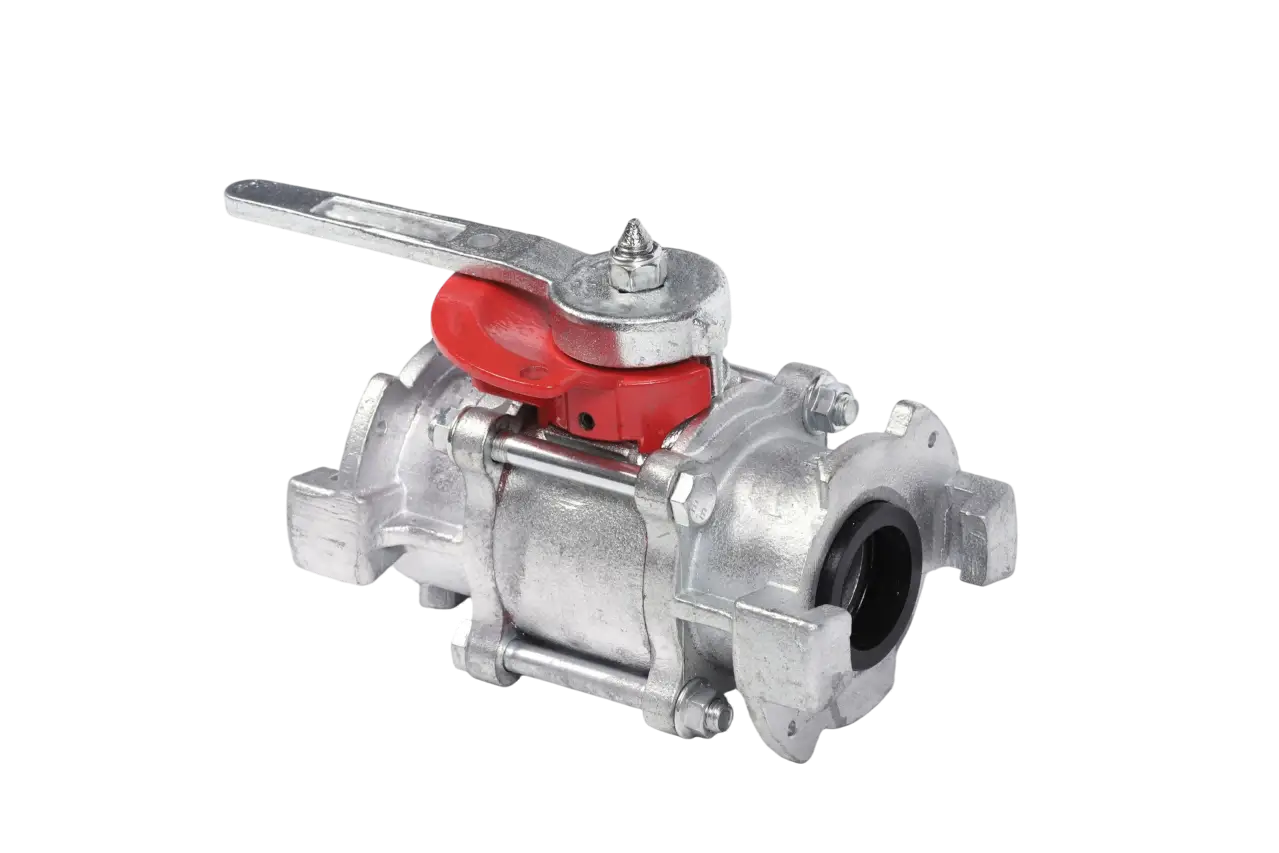
Duct Connectors:
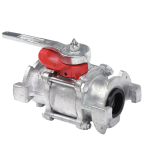
Used for compressed air pipelines, with a sealing ring to prevent leaks.
Mechanical Connectors:
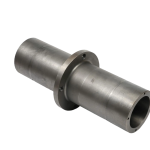
Such as chains and pins, used to connect components in scraper conveyors.
3. Core Features
Explosion-proof Certification: Meets mining explosion-proof standards (such as Exd I).
Protection Rating: IP67 and above, waterproof and dustproof.
Durability: Metal materials (such as nickel-plated brass) are impact- and wear-resistant.
Quick Assembly and Disassembly: Some designs feature self-locking or snap-on design for improved efficiency.
4. Application Scenarios
Cable/hydraulic connections for fully mechanized mining face equipment (coal shearers, roadheaders);
Quick docking of underground drainage pipes;
Sealed connections for air ducts in ventilation systems.
5. Selection Key Points
Voltage/current ratings (cable connector);
Working pressure (hydraulic connector);
Ambient humidity and corrosiveness;
Requirement of shielding (signal transmission).
6. Special Mining Requirements
Safety Certification: Requires national mining product safety certification (MA/KC mark).
Easy Maintenance: Mining environments are harsh, and equipment must be easily repairable underground.
Standardization: Interface dimensions must conform to industry standards (such as GB/T 3836) to ensure interchangeability.