Description
1. Technological Innovation and Industry Value of Precision Engineered Drive Shafts
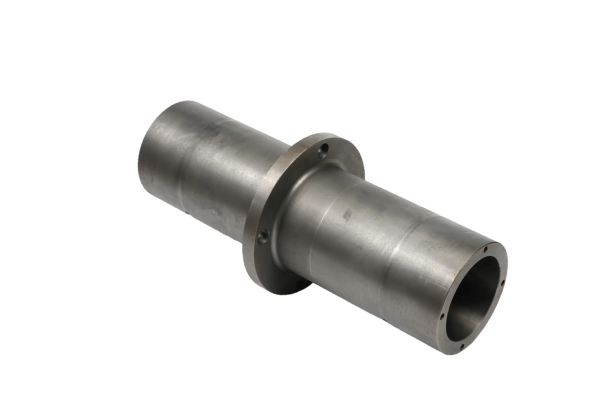
In today’s rapidly evolving industrial landscape, Precision Engineered Drive Shafts have become core transmission components for various mechanical equipment. Compared to conventional drive shafts, precision engineered shafts achieve revolutionary improvements in torque transmission efficiency through the integration of materials science, dynamic analysis, and manufacturing processes.
According to a 2023 drive system research report published by the American Society of Mechanical Engineers (ASME), drive shafts utilizing precision engineering design can improve the overall efficiency of mechanical systems by 15-22%, while reducing vibration-related failures by over 40% (ASME, 2023).
2. Core Technological Advantages of Precision Engineered Drive Shafts
2.1 Materials Science and Heat Treatment Processes
Modern precision drive shafts utilize high-strength alloy steels (such as 4140, 4340) or special composite materials. Through computer-controlled quenching and tempering processes, they achieve an optimal balance of hardness and toughness. This precision engineering approach ensures the drive shaft maintains structural integrity under extreme load conditions.
2.2 Dynamic Balancing and Vibration Control
NBP’s Precision Engineered Drive Shafts employ multi-plane dynamic balancing technology, controlling unbalance to within 0.5 g.mm/kg, far exceeding the ISO 1940 G2.5 standard requirement. This precise balancing significantly reduces vibration transmission during high-speed rotation, protecting bearings and other connected components.
2.3 Surface Treatment and Wear Resistance Technology
Through precision-engineered surface treatments (such as nitriding, carburizing, or superfinishing), the hardness of critical contact areas on the drive shaft can reach HRC 58-62. Wear resistance is improved by 3-5 times compared to traditional drive shafts, making them particularly suitable for high-wear environments like mining machinery and heavy transport.
3. Industry Applications and Performance Validation
3.1 Wind Power Equipment Sector
In wind turbine gearboxes, the performance of precision engineered drive shafts directly impacts energy conversion efficiency. Data from the German Wind Energy Institute (DEWI) shows that drive shafts utilizing precision balancing and special coatings can reduce gearbox failure rates by 35%, while increasing annual power generation by 2-3% (DEWI, 2022).
3.2 Automotive Manufacturing and Racing Industry
In high-performance automotive and racing applications, NBP’s Precision Engineered Drive Shafts, optimized through Computer-Aided Engineering (CAE), achieve a 25% weight reduction while increasing torque capacity by 15%. This precision engineering design significantly enhances vehicle acceleration and fuel economy.
3.3 Industrial Manufacturing Equipment
For precision manufacturing equipment such as CNC machine tools and injection molding machines, even minor deformation of the drive shaft can affect final product accuracy. The thermal stability design of precision engineered drive shafts ensures axial deviation is controlled within 5 microns/meter under fluctuating temperature conditions.
4. Technical Features of NBP’s Precision Engineered Drive Shafts
As a leading provider of drive solutions, NBP’s Precision Engineered Drive Shafts product line embodies the following engineering advantages:
-
Custom Design Capability: Provides complete solutions for material selection, heat treatment, and connection design based on actual operational data from customer equipment.
-
Full-Process Quality Control: Implements 13 quality inspection procedures from raw material spectroscopic analysis to finished product dynamic testing, ensuring each product meets design specifications.
-
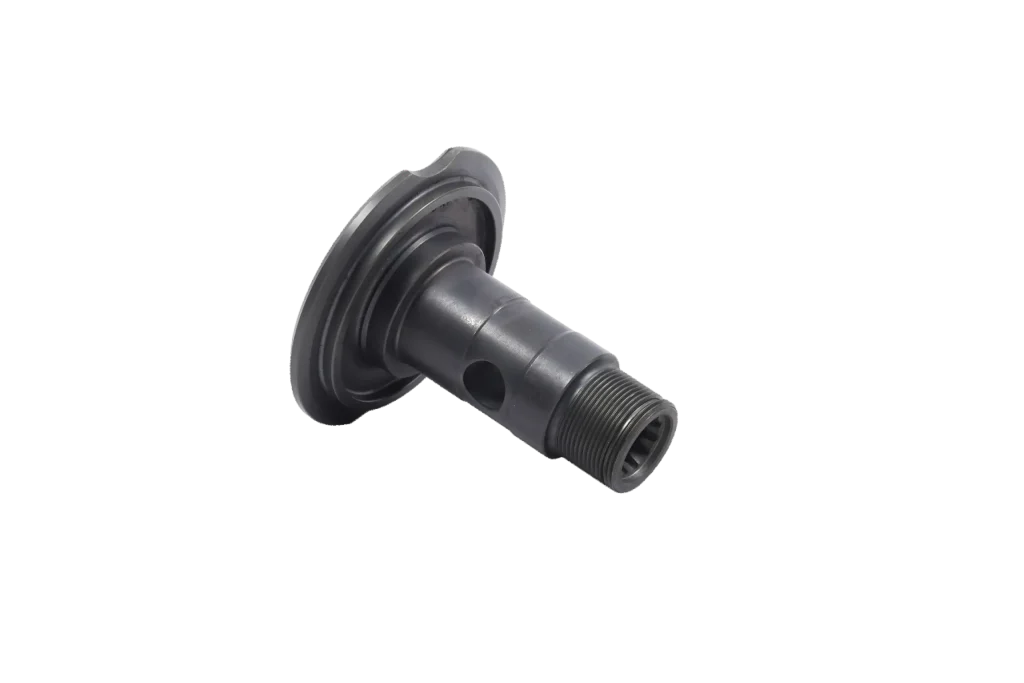
Innovative Connection Technology: Developed patented involute spline designs and surface treatment processes, significantly improving spline connection fatigue life.
5. Maintenance Recommendations and Lifespan Optimization Strategies
To ensure Precision Engineered Drive Shafts perform at their maximum potential, the following maintenance practices are recommended:
-
Regular Vibration Monitoring: Conduct spectral analysis every 6 months to identify early-stage imbalance or misalignment issues.
-
Temperature Monitoring: Temperature at key bearing positions should not exceed ambient temperature +40°C.
-
Lubrication Management: Use manufacturer-recommended high-performance greases and strictly adhere to replacement intervals.
Analysis of equipment maintenance records indicates that equipment following a preventive maintenance program can extend the Mean Time Between Failures (MTBF) of its drive system by over 60%.
6. Conclusion
Precision Engineered Drive Shafts are not merely simple mechanical components but are system performance enhancers optimized through precision engineering. Through material innovation, precise manufacturing, and dynamic optimization, these drive shafts significantly improve the reliability, efficiency, and lifespan of industrial equipment.
Leveraging years of engineering experience and continuous R&D investment, NBP provides drive solutions optimized for specific operating conditions. To learn more technical details about Precision Engineered Drive Shafts or to obtain customized recommendations, please visit our product page.