Description
1. Introduction: The Robust Link in Heavy-Duty Drivetrains
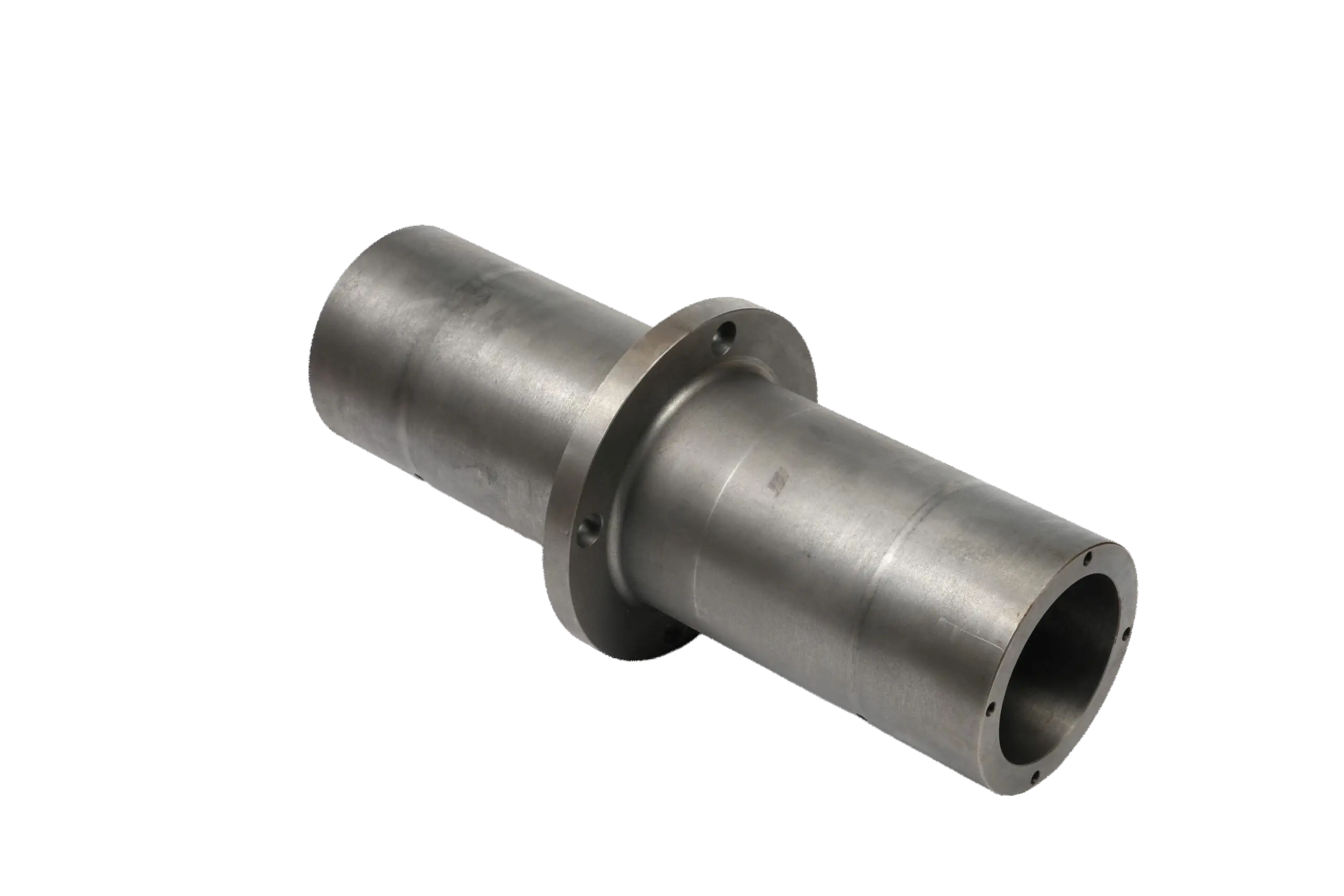
In the world of industrial machinery, mining equipment, and heavy vehicles, connecting two rotating shafts to transmit high torque reliably is a fundamental engineering challenge. The Spline Gear Flange Coupling is a premier solution designed for this exact purpose. Combining the high-torque capacity of gear teeth with the robust alignment and sealing of a flanged connection, this coupling excels in the most demanding applications where misalignment, shock loads, and harsh environments are the norm. This guide explores the design, benefits, and critical selection criteria for Spline Gear Flange Couplings, providing engineers and maintenance professionals with the knowledge to specify the right component for maximum uptime and performance.
2. Understanding the Spline Gear Flange Coupling
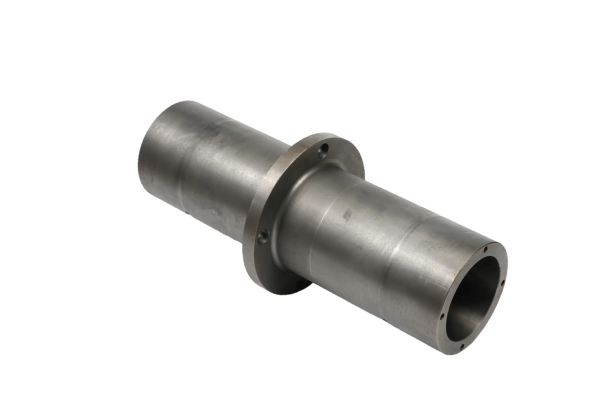
A Spline Gear Flange Coupling is a mechanical device that connects the ends of two co-linear shafts, enabling them to rotate together while transmitting power. It is comprised of two primary elements:
-
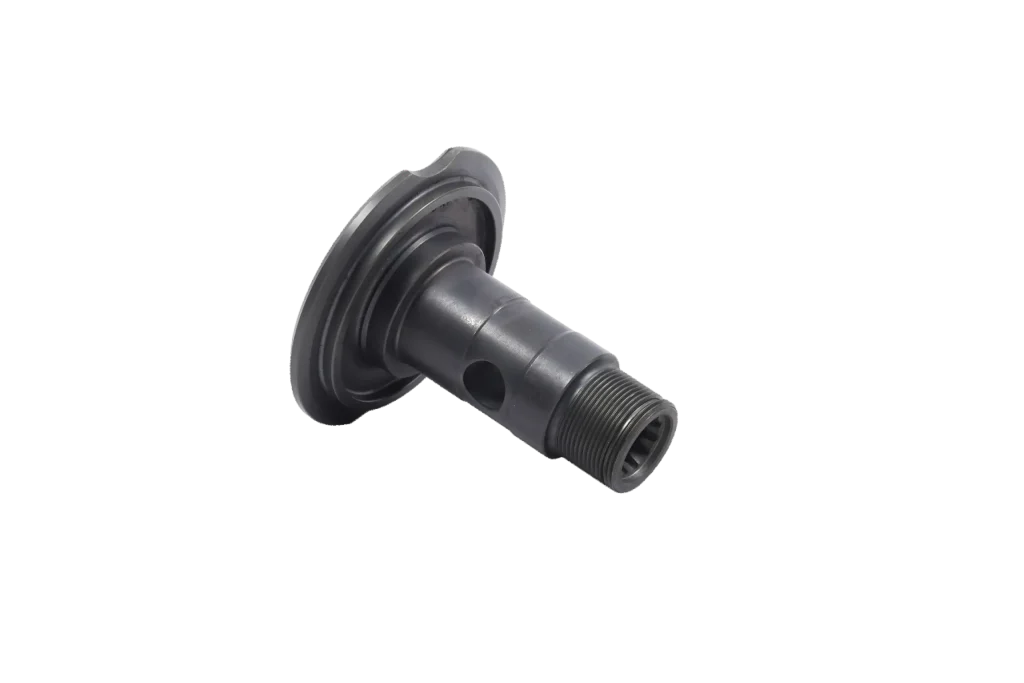
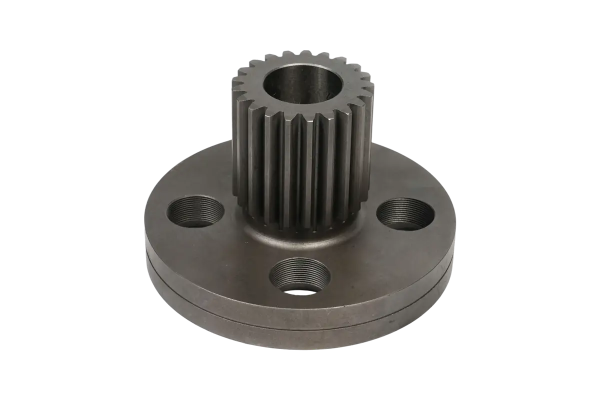
Internal Splined Hubs: One hub is mounted on each shaft end. These hubs feature internal splines (grooves) that match external splines on the shaft, creating a positive, non-slip connection capable of handling very high torque.
-
External Gear & Flanged Sleeve: A single, cylindrical outer sleeve fits over the two hubs. The inside of this sleeve is cut with gear teeth that mesh with the external gear teeth on the hub flanges. Bolts through the flanges of the sleeve and hubs securely fasten the entire assembly together.
This design creates a coupling that is remarkably strong, accommodates some degree of parallel misalignment, and is easier to assemble/disassemble than many other high-torque couplings.
3. Key Features and Engineering Advantages
The specific architecture of the spline gear flange coupling provides several distinct advantages over other coupling types:
-
Exceptional Torque Density: The large number of gear teeth in simultaneous contact allows for the transmission of very high torque in a relatively compact package, offering an excellent strength-to-size ratio.
-
Tolerance to Misalignment: While not a flexible coupling in the traditional sense, the crowned (barrel-shaped) profile of the gear teeth allows the coupling to accommodate small amounts of parallel misalignment and angular misalignment between the connected shafts.
-
Robust & Sealed Design: The flanged connection creates a rigid, mechanically fastened joint. When combined with O-rings or gaskets, it can form an effective seal against dust, dirt, and moisture, making it suitable for harsh environments like mining or mills.
-
High Durability & Service Life: Manufactured from high-strength alloy steels and heat-treated for optimal hardness, these couplings are built for longevity. Proper lubrication of the gear mesh further extends service life by reducing wear.
-
Ease of Maintenance: Unlike gear couplings that require sliding components apart, the flanged design allows for complete disassembly and reassembly without axial movement of the connected machinery, simplifying inspection and maintenance.
4. Primary Applications
Spline Gear Flange Couplings are the coupling of choice for applications requiring reliable, high-power transmission:
-
Heavy Mining & Quarrying Equipment: Crushers, ball mills, conveyors, and draglines.
-
Steel & Metal Processing: Rolling mills, continuous casters, and heavy-duty processing lines.
-
Marine & Shipbuilding: Main propulsion systems, large pump drives, and winches.
-
Power Generation: Large pumps, fans, and compressors in fossil fuel and nuclear plants.
-
Pulp & Paper Industry: Massive rollers in paper machines and digesters.
5. Selection and Specification Guide
Choosing the correct coupling is critical for system reliability. Follow this decision framework:
| Selection Criteria | Key Parameters & Questions | Technical Implications |
|---|---|---|
| Torque & Power Requirements | What is the continuous and peak (shock) torque? What is the motor horsepower and speed? | The coupling must have a rated torque capacity exceeding the application’s requirements, with an appropriate service factor for shock loads. |
| Shaft Sizes & Fit | What are the diameters and keyway specifications of both shafts? | The internal splines of the hubs must match the shaft splines exactly. Standard or custom machining may be required. |
| Misalignment Compensation | What is the estimated parallel and angular misalignment between shafts? | Ensure the coupling’s rated misalignment capacity is not exceeded. Proper installation and alignment are still crucial. |
| Environmental Conditions | Will the coupling be exposed to high temperatures, corrosive chemicals, or abrasive dust? | Dictates material selection (e.g., specific alloy steels) and the need for special seals, coatings, or lubrication types. |
| Space & Weight Constraints | What are the dimensional and weight limits for the coupling? | Spline gear flange couplings are compact for their torque rating, but size must still be verified against available space. |
| Lubrication & Maintenance | Is continuous lubrication available, or is a sealed/lubricated-for-life design preferred? | Traditional designs require periodic re-greasing. Modern versions may offer sealed cartridge designs for maintenance-free operation. |
6. Installation and Maintenance Best Practices
To ensure optimal performance and lifespan:
-
Precision Alignment: Always align connected shafts as accurately as possible within the coupling’s rated capacity using laser or dial indicator tools. This minimizes wear on gear teeth.
-
Proper Lubrication: Use the manufacturer-recommended lubricant type and quantity. For regreasable fittings, follow the prescribed lubrication schedule. Over-greasing can be as harmful as under-greasing.
-
Correct Bolt Tightening: Use a calibrated torque wrench to tighten flange bolts to the specified value in a star pattern to ensure even clamping force and prevent distortion.
-
Regular Inspection: Periodically check for signs of lubricant leakage, unusual vibration, or audible noise from the coupling, which can indicate misalignment, wear, or lubrication issues.
7. Conclusion: The High-Performance Standard for Critical Drives
For engineers tasked with designing or maintaining high-torque drivelines, the Spline Gear Flange Coupling offers a compelling blend of power density, durability, and serviceability. Its proven design has made it an industry standard in sectors where equipment failure is not an option.
By carefully applying the selection criteria outlined above and partnering with a manufacturer that provides robust engineering data and support, you can ensure this critical link in your power transmission system delivers years of reliable service.
Disclaimer: This guide provides general information. Always consult the specific manufacturer’s technical data, installation manual, and engineering team for your application. Power transmission system design should be performed by qualified personnel.
For detailed specifications, sizing charts, and application support, visit the official product page:
Spline Gear Flange Coupling – Dongpei
A direct consultation with an application engineer is the best way to confirm the optimal coupling selection for your specific speed, torque, and environmental conditions.