Description
1. Introduction: The Versatile Link in Industrial Plumbing
In the intricate networks of pipes that fuel modern industry—from chemical plants and food processing facilities to marine systems and high-purity laboratories—connections must be secure, adaptable, and corrosion-resistant. A Threaded Stainless Steel Adapter is a fundamental, yet critical, pipe fitting designed to connect pipes, hoses, or equipment with different thread types, genders, or sizes. It serves as the versatile problem-solver in any piping system, enabling modifications, repairs, and transitions where standard connections fall short. For engineers and maintenance professionals, selecting a high-quality adapter is key to ensuring leak-free, durable, and compliant system performance.
2. What is a Threaded Stainless Steel Adapter?
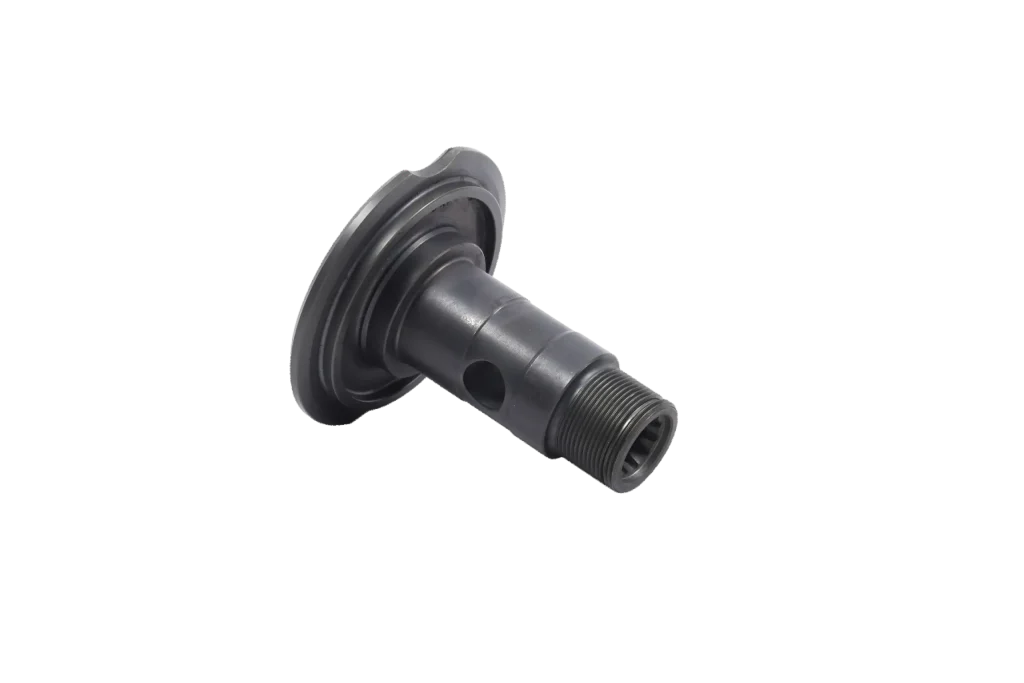
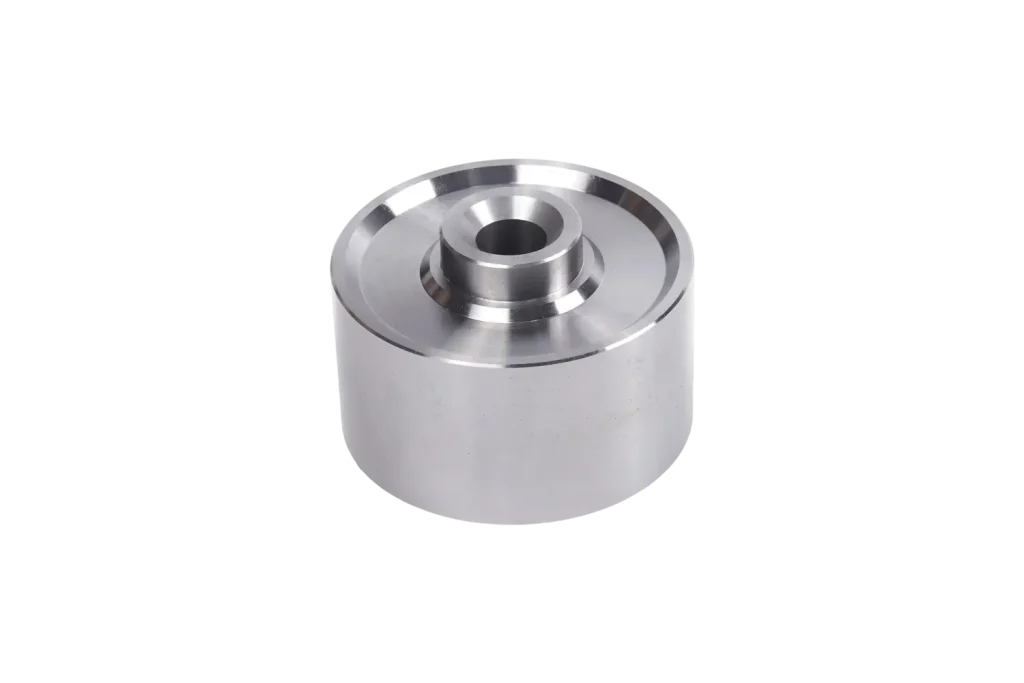
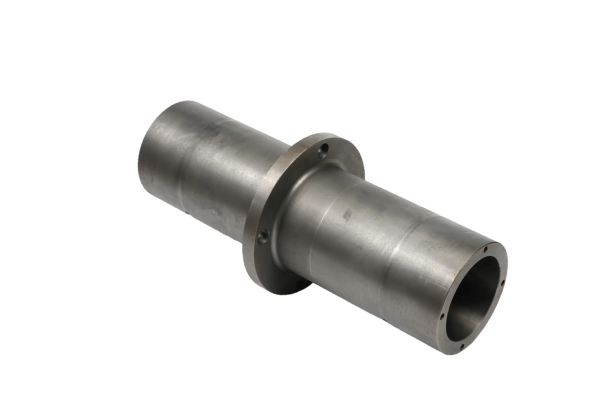
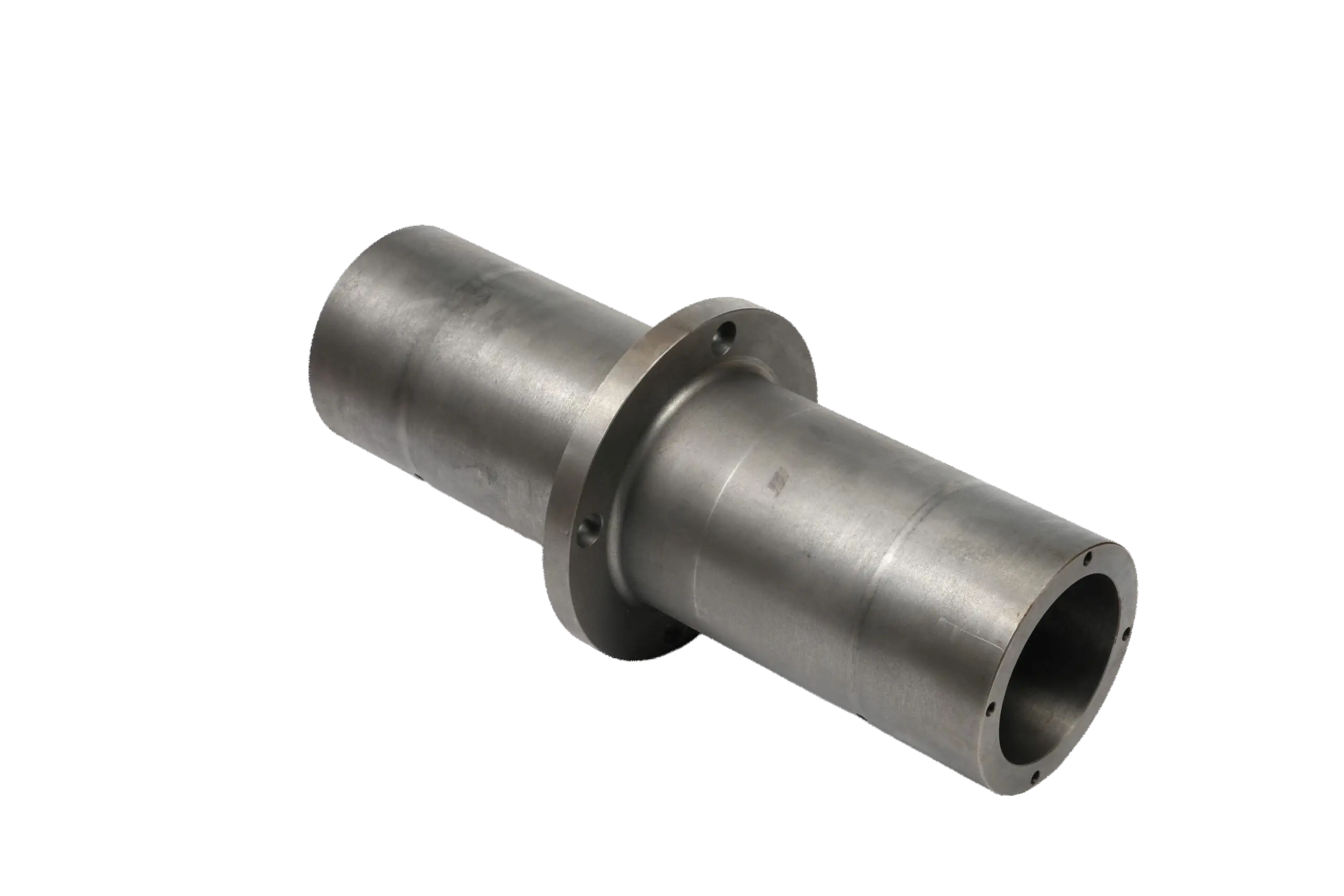
A Threaded Stainless Steel Adapter is a short, solid fitting with internal (female) and/or external (male) threads machined onto its ends. Its primary function is to create a secure, sealed connection between two components that would not otherwise directly couple.
Common configurations include:
-
Male-to-Female (MxF): Connects a male-threaded pipe to a female-threaded port.
-
Male-to-Male (MxM): Joins two female-threaded components.
-
Female-to-Female (FxF): Joins two male-threaded pipes.
-
Size Reducer/Bushing: Adapts a large female thread down to a smaller male or female thread.
The “threaded” aspect allows for tool-assisted assembly without welding, while the “stainless steel” construction provides the material integrity needed for demanding environments.
3. Key Specifications and Material Advantages
Understanding the specifications of a premium adapter is crucial for proper selection.
1. Material Grade & Properties:
-
Primary Alloys: ASTM A182 F304/304L and F316/316L are industry standards. 304/L offers excellent general corrosion resistance, while 316/L, with added molybdenum, provides superior resistance to chlorides and acids, making it ideal for marine and chemical applications.
-
Corrosion Resistance: Stainless steel’s passive chromium oxide layer makes it inherently resistant to rust, oxidation, and many corrosive media.
-
Strength & Durability: High tensile and yield strength ensure the adapter can withstand system pressure and mechanical stress without failure.
2. Thread Standards & Precision:
-
Common Standards: NPT (National Pipe Tapered) is the predominant standard in North America for creating a pressure-tight seal. BSPT (British Standard Pipe Tapered) and BSPP (British Standard Pipe Parallel) are common elsewhere. ANPT (Aerospace) is used in high-performance applications.
-
Precision Machining: Threads must be accurately cut and gauged to ensure a proper seal. Poor thread quality is the leading cause of leaks in threaded systems.
3. Design & Pressure Ratings:
-
Pressure Class: Adapters are rated for specific pressure and temperature services (e.g., 150#, 3000psi). The rating must exceed the maximum operating pressure of the system.
-
Hex Drive: Most adapters feature a hexagonal body for easy installation and removal with a wrench.
4. Primary Applications Across Industries
The threaded stainless adapter’s versatility makes it ubiquitous:
-
Process Piping (Chemical, Petrochemical, Pharmaceutical): For connecting instruments, valves, and gauges to process lines in corrosive service.
-
Food, Beverage, & Dairy (FDA-Compliant): In sanitary processing lines, often with electropolished finishes for cleanability.
-
Water Treatment & Desalination: Connecting filters, pumps, and sensors in systems exposed to water and treatment chemicals.
-
Marine & Offshore: Used extensively on ships and platforms due to stainless steel’s resistance to saltwater corrosion.
-
General Industrial Maintenance & OEM Machinery: For field modifications, equipment repair, and building custom fluid power or pneumatic circuits.
5. Advantages Over Alternative Materials & Connection Methods
Choosing a stainless steel threaded adapter offers distinct benefits:
-
Superior Corrosion Resistance: Outlasts carbon steel or plated fittings, especially in humid, chemical, or outdoor environments, reducing replacement frequency.
-
Hygienic & Cleanable: The non-porous surface of stainless steel, particularly when passivated or electropolished, prevents bacterial growth and is easy to sterilize.
-
High Strength-to-Weight Ratio: Provides robustness without excessive weight.
-
Weld-Free Installation: Allows for easy assembly, disassembly, and reconfiguration of systems without specialized welding skills or hot work permits.
-
Wide Temperature Range: Maintains integrity across a broad spectrum of operating temperatures.
6. Selection and Installation Best Practices
To ensure a reliable connection, follow these guidelines:
| Selection Criteria | Key Questions & Checks | Consequences of Error |
|---|---|---|
| Material Compatibility | Is 304/L sufficient, or is the environment corrosive enough to require 316/L? Is the fluid compatible with stainless steel? | Incorrect grade selection leads to rapid pitting corrosion and failure. |
| Thread Standard & Size | What is the exact thread standard (NPT, BSPT), size (1/2″, 3/4″), and gender (M/F) required on each end? | Mismatched threads will not seal and can cross-thread, damaging both components. |
| Pressure & Temperature Rating | Does the adapter’s pressure class exceed the system’s maximum operating pressure at the expected temperature? | Using an under-rated fitting can lead to catastrophic rupture under pressure. |
| Sealing Method | Will you use thread sealant (PTFE tape, liquid compound) or a sealing washer (for BSPP)? | NPT threads require sealant to fill microscopic grooves. BSPP requires a bonded seal or washer. |
| Supplier Certification | Can the supplier provide material certifications (MTCs)? Are threads precision-machined, not cast? | Uncertified materials or poor thread quality are the most common causes of leaks and failures. |
Installation Tip: Always hand-tighten the adapter first to ensure threads engage properly before applying wrench torque. Over-tightening can gall stainless steel threads or crack the fitting.
7. Conclusion: The Small Fitting with a Big Responsibility
While often a small and inexpensive part, the Threaded Stainless Steel Adapter carries a significant responsibility: maintaining the integrity of the connection point in a pressurized system. Specifying adapters made from certified materials, with precision-machined threads from a reputable supplier, is a low-cost way to prevent high-cost problems like leaks, contamination, and downtime.
By applying a meticulous approach to selection and installation, you ensure these versatile connectors perform their essential role reliably for the long term.
Disclaimer: This guide is for informational purposes. Always follow applicable codes (ASME, ANSI) and manufacturer instructions for specific applications. Pressure systems should be designed and installed by qualified personnel.
For detailed specifications, size charts, and material certifications, visit the official product page:
Threaded Stainless Steel Adapter – Dongpei
Consulting with a knowledgeable supplier is the best way to confirm thread compatibility and material suitability for your unique system requirements.