Description
Introduction: The Critical Heart of Engine Performance
Within the core of every internal combustion engine, from heavy-duty industrial generators to high-performance vehicles, lies a component that directly defines durability, efficiency, and power: the cylinder sleeve (or liner). An Engineered Cylinder Sleeves Factory specializes in the advanced metallurgy, precision machining, and rigorous quality control required to produce these critical components. Unlike simple cast parts, engineered sleeves are the product of sophisticated design and manufacturing processes tailored to meet specific thermal, mechanical, and wear requirements. This guide explores what sets a dedicated factory apart, detailing the technology behind these sleeves and how to select a manufacturing partner that ensures your engines run stronger and longer.
What Are Engineered Cylinder Sleeves?
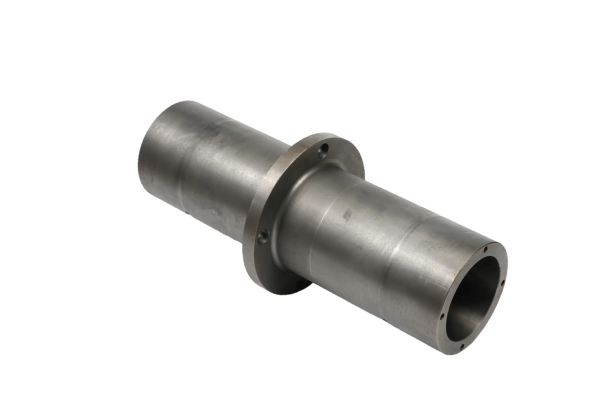
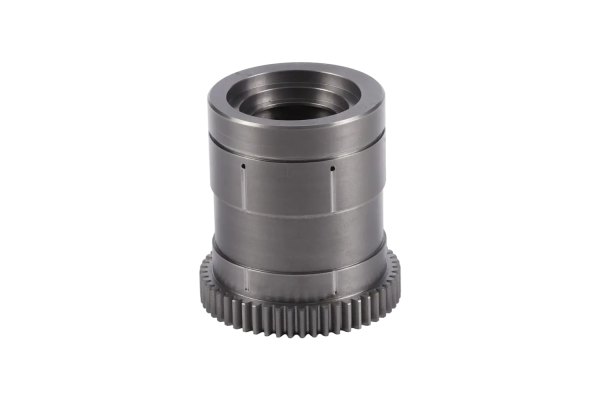
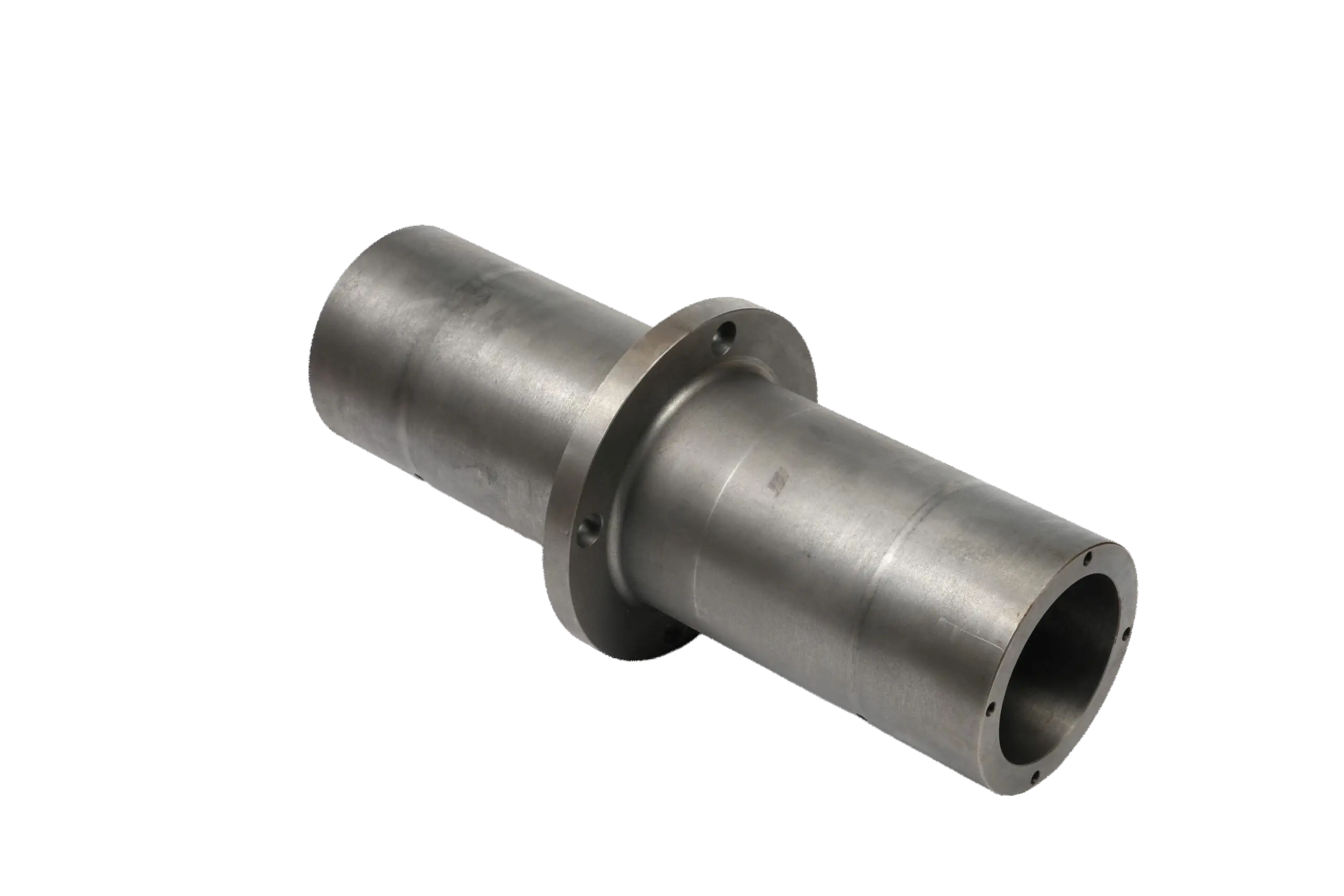
A cylinder sleeve is a cylindrical liner that is inserted into an engine block to form the inner wall of the cylinder bore. Its primary function is to provide a durable, wear-resistant surface for the piston rings to seal against while containing combustion pressures and managing heat.
The term “Engineered” signifies that these are not generic, off-the-shelf items. They are designed and manufactured based on specific application data:
-
Customized for the Application: Designed for specific engine types—diesel vs. gasoline, automotive vs. marine vs. industrial—accounting for different combustion pressures, temperatures, and fuels.
-
Material Science-Driven: Utilizing specialized alloys and treatments to achieve desired properties like high strength, thermal conductivity, and wear resistance.
-
Precision-Controlled Geometry: Manufactured to exacting tolerances for inner diameter (bore), wall thickness, and surface finish to ensure optimal piston ring sealing and lubrication.
Core Manufacturing Technologies and Material Innovations
A leading factory employs a suite of advanced processes to create superior cylinder sleeves.
1. Primary Forming Methods:
-
Centrifugal Casting: Molten alloy is poured into a rapidly spinning mold. This produces a sleeve with a dense, uniform grain structure that is free from impurities and porosity, offering excellent mechanical properties.
-
Sand Casting: A traditional method often used for larger bore or more complex geometries, followed by extensive machining.
2. Advanced Material Alloys:
-
Gray Cast Iron: The traditional standard, valued for its good machinability, inherent lubricity, and damping characteristics.
-
Ductile (Nodular) Iron: Offers higher tensile strength, fatigue resistance, and impact toughness than gray iron, ideal for high-stress applications.
-
Alloyed Cast Irons: Additions of chromium, molybdenum, nickel, and vanadium create irons with enhanced hardness, heat resistance, and wear properties.
-
Composite Materials: Some advanced factories produce sleeves with a ductile iron outer shell for strength and a gray iron inner layer for superior bore surface properties.
3. Critical Finishing Processes:
-
Precision Machining: CNC turning and boring to achieve the final bore diameter, surface finish (often specified by Ra or Rz values), and critical geometry like the flange or locking ring groove.
-
Surface Treatments & Coatings:
-
Plateau Honing: Creates an optimal surface for rapid ring seating and oil retention.
-
Nitriding or Induction Hardening: Increases surface hardness on the bore for extreme wear resistance.
-
Thermal Spray Coatings (e.g., Plasma Transferred Wire Arc): Applying a layer of a different material (like a nickel-ceramic composite) to the bore for ultimate wear and scuff resistance.
-
Key Industries and Applications
Engineered sleeves are vital for the reliability of engines across numerous sectors:
-
Automotive & Heavy-Duty Trucking: For engine rebuilds, performance upgrades, and OEM manufacturing.
-
Agricultural & Construction Equipment: In tractors, combines, excavators, and diesel generators where engines run under continuous high load.
-
Marine & Rail: For propulsion and auxiliary engines in boats and locomotives.
-
Power Generation: In stationary diesel and gas engines used for backup or prime power.
-
Industrial Machinery: For compressors, pumps, and large stationary engines.
The Factory Evaluation Framework: Selecting Your Manufacturing Partner
Choosing the right Engineered Cylinder Sleeves Factory requires a technical assessment. Use this framework to guide your decision:
| Evaluation Criteria | Key Indicators & Questions for the Factory | Impact on Your Engine’s Performance |
|---|---|---|
| Engineering & Design Capability | Can they reverse-engineer a sleeve from a sample? Do they offer design consultation for custom applications or performance upgrades? | Ensures the sleeve is not just a copy, but an optimized component for your specific needs, potentially improving power and longevity. |
| Material Expertise & Certification | What alloys do they specialize in? Can they provide spectrographic analysis or material certification for their castings? | The foundation of sleeve performance. Certified materials guarantee the sleeve has the strength and wear characteristics required. |
| Core Manufacturing Process | Do they use centrifugal casting? What is their process control for melting temperature, mold speed, and cooling? | Centrifugal casting is a mark of a quality-focused factory, producing denser, stronger, and more consistent sleeves than basic sand casting. |
| Precision Finishing & Inspection | What is their bore tolerance and surface finish capability? Do they have in-house honing machines and surface profilometers? | The final bore finish is critical for oil control, ring sealing, and minimizing break-in time. In-house control of this step is essential. |
| Industry Experience & References | Do they have a proven track record supplying sleeves for your engine type or industry (e.g., heavy-duty diesel, high-performance automotive)? | Demonstrates understanding of the unique thermal and mechanical stresses in your application. |
The Value of an Engineered Solution: Beyond the Replacement Part
While a basic replacement sleeve might fit, an engineered sleeve offers significant advantages:
-
Extended Engine Life: Superior materials and finishes directly translate to reduced wear on both the sleeve and the piston rings.
-
Improved Performance: Optimized thermal properties can help manage combustion heat more effectively.
-
Enhanced Reliability: Consistent manufacturing and rigorous inspection minimize the risk of defects that could lead to catastrophic engine failure.
-
Technical Support: A true factory partner can provide guidance on installation clearances, break-in procedures, and compatibility.
Conclusion: The Foundation of Engine Longevity
The cylinder sleeve is the very surface upon which an engine’s power and efficiency are built. Partnering with a dedicated Engineered Cylinder Sleeves Factory means moving beyond a simple commodity purchase to a technical collaboration.
By selecting a factory with strong metallurgical knowledge, controlled advanced processes like centrifugal casting, and a commitment to precision finishing, you invest in the foundational component that determines your engine’s durability, performance, and total cost of ownership. It is a decision that pays dividends in miles, hours, and years of reliable operation.
Ready to discuss your cylinder sleeve requirements with an expert manufacturer?
For a technical consultation, material recommendations, or to request a quote for custom or standard sleeves, we recommend contacting factories directly with your engine specifications.
A detailed inquiry including the engine make/model, original part number (if available), bore diameter, and application (e.g., “marine diesel, continuous duty”) will help the factory provide the most accurate and useful response.