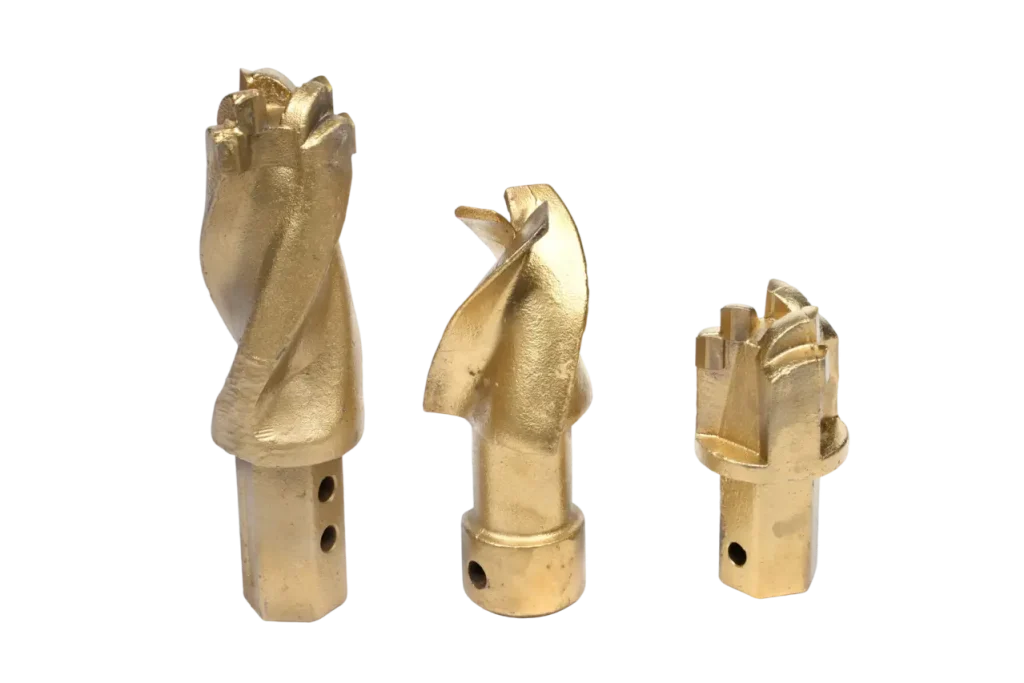
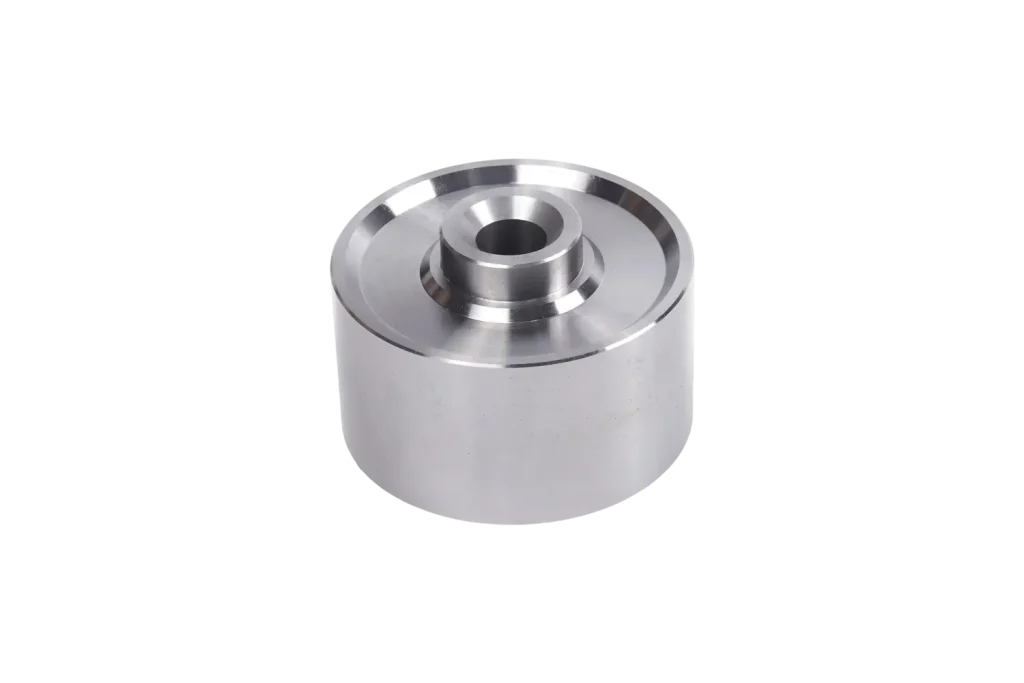
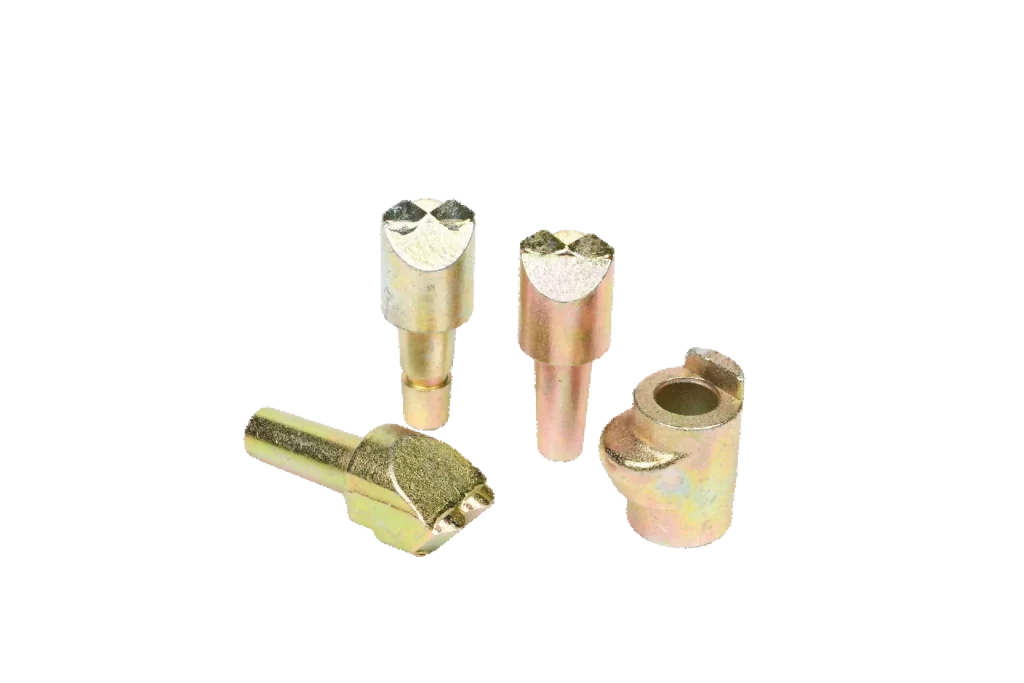
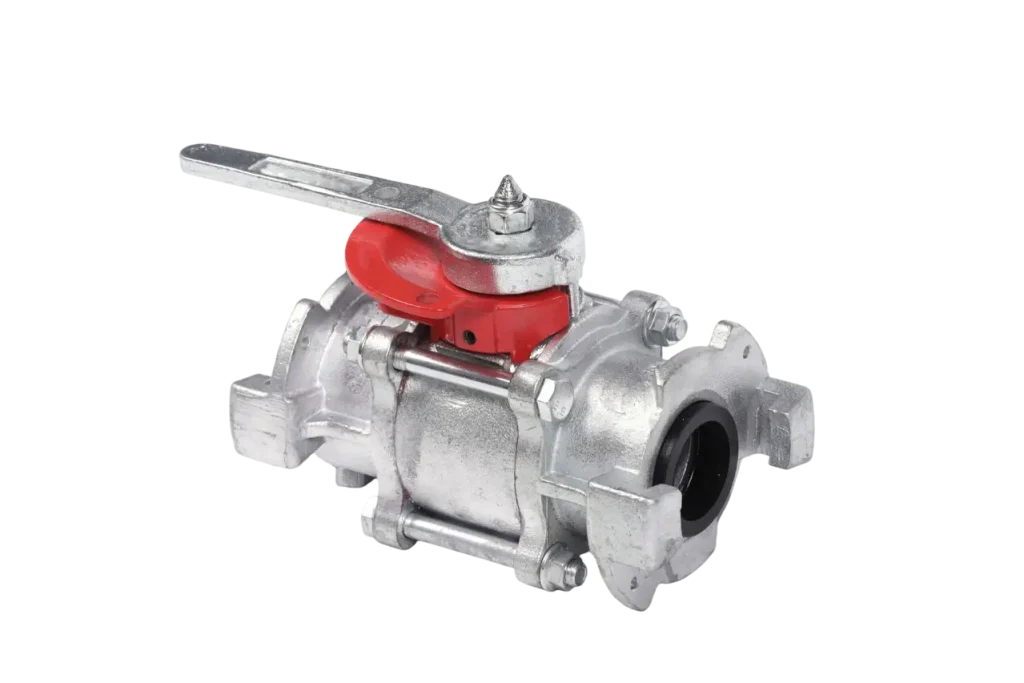
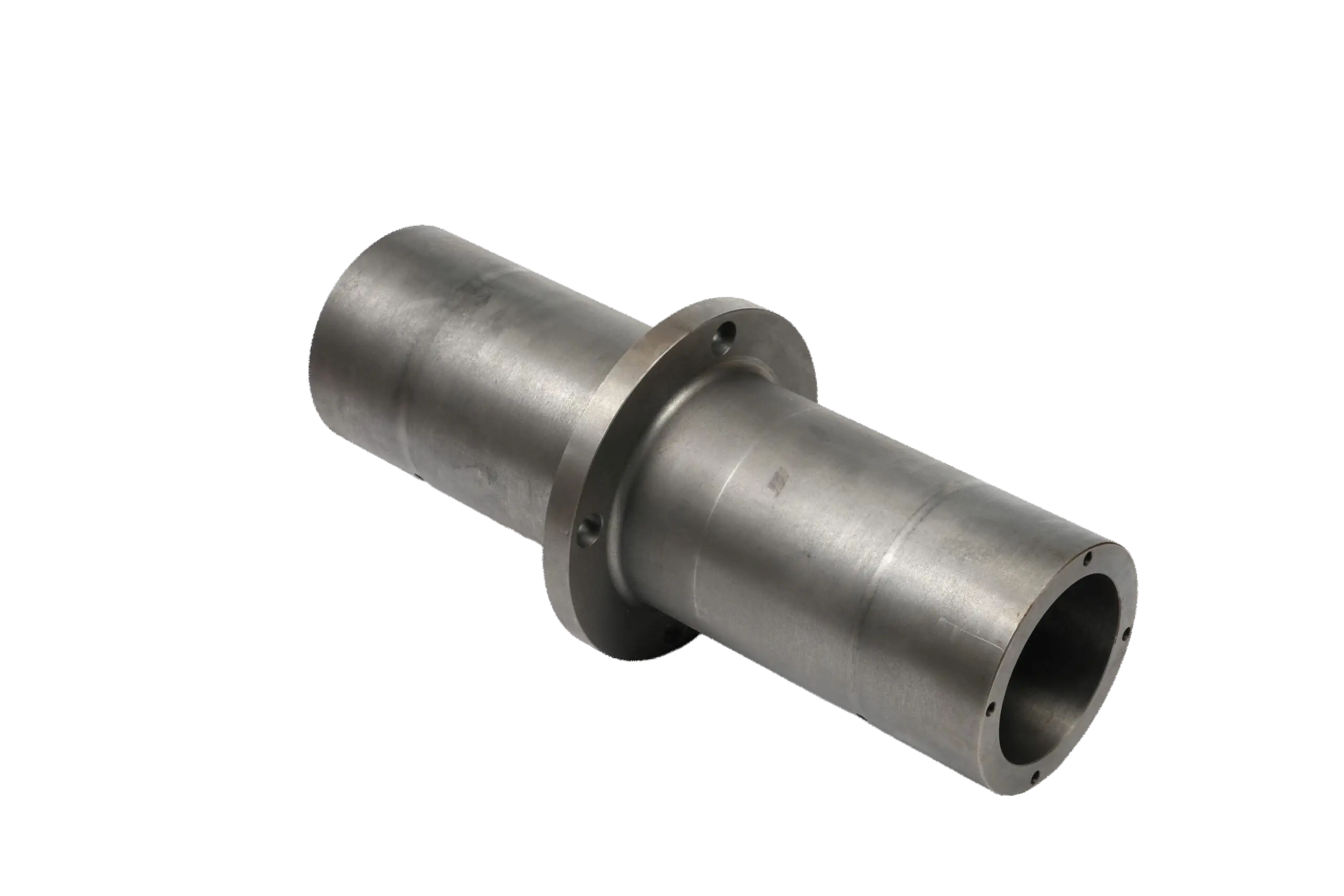
High Performance Flanged Coupling Sleeve

High Performance Flanged Coupling Sleeve

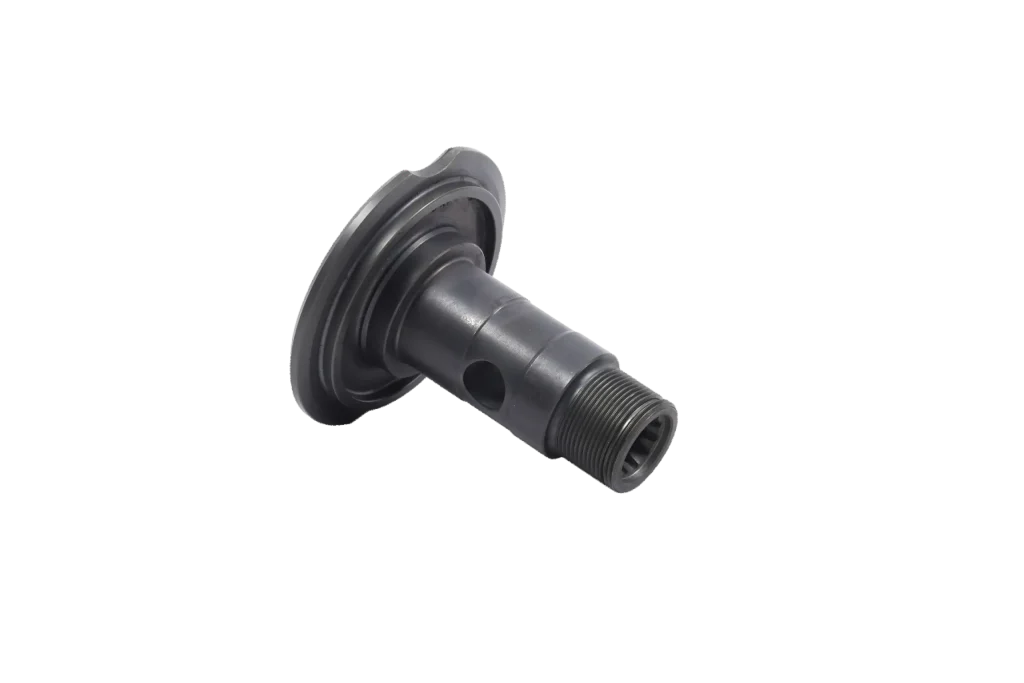
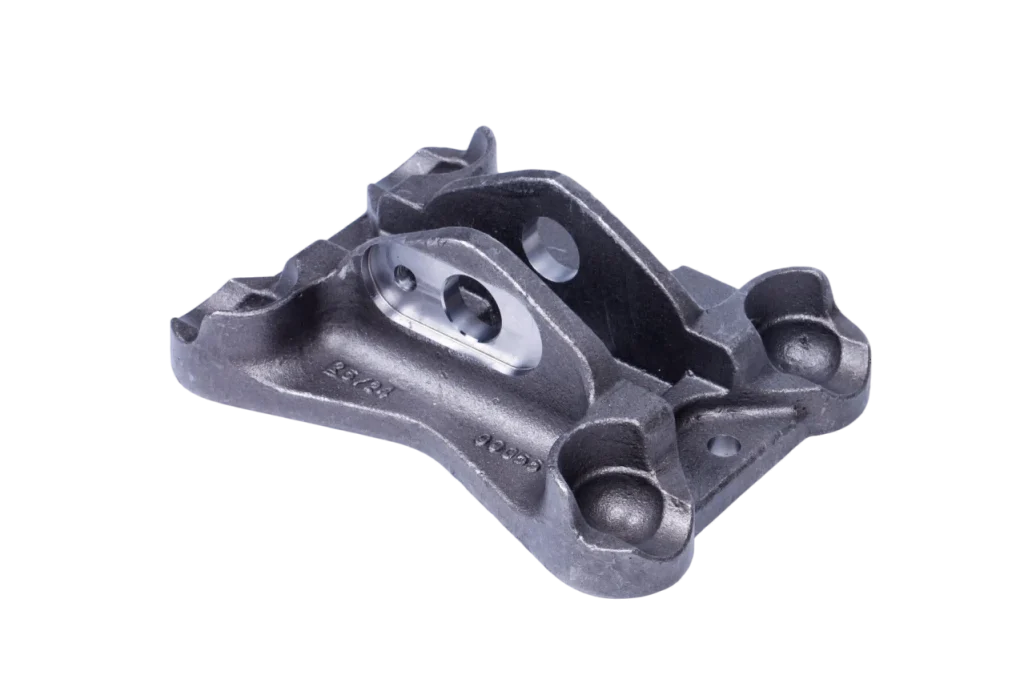
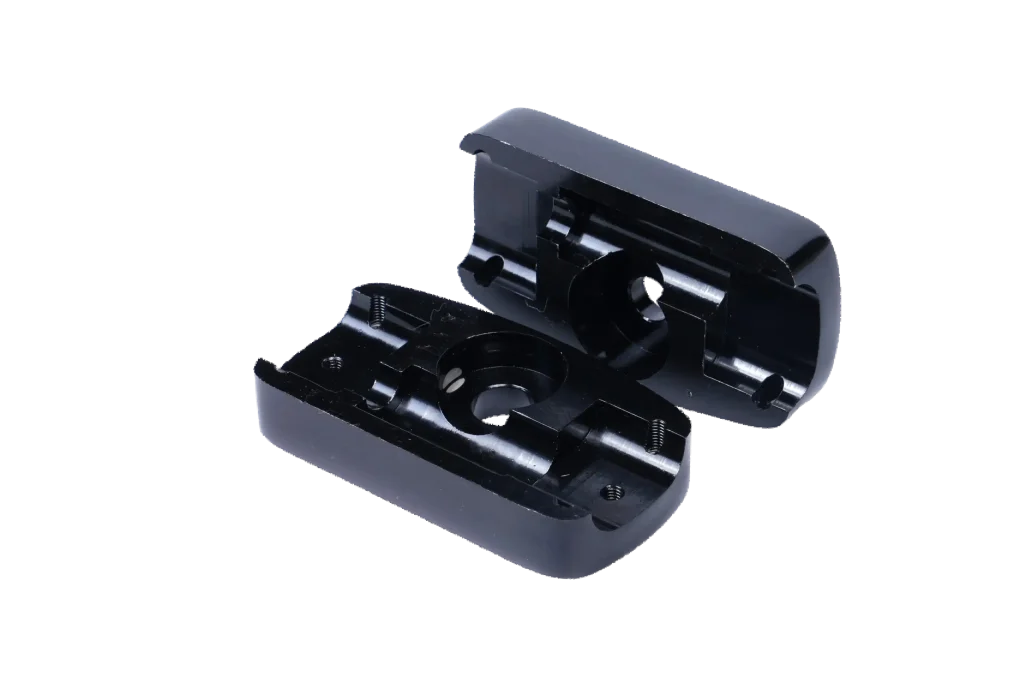
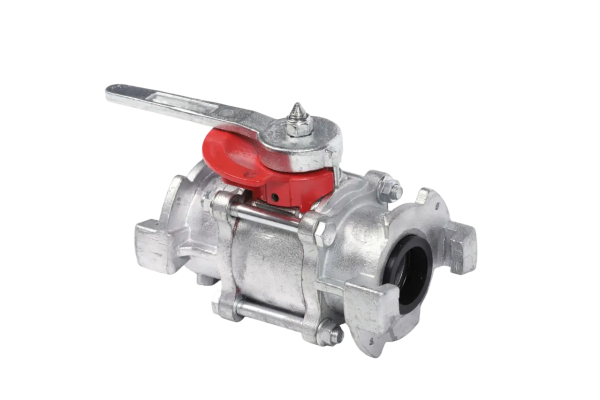
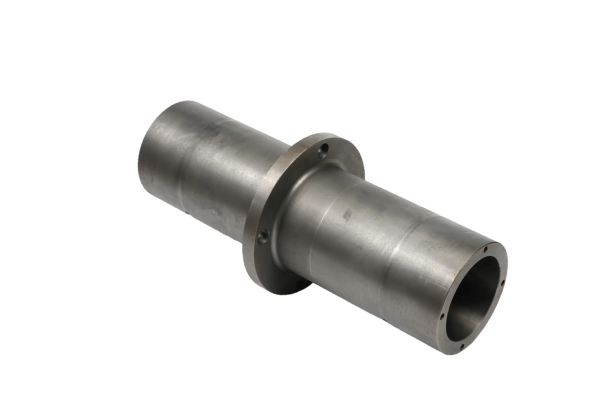
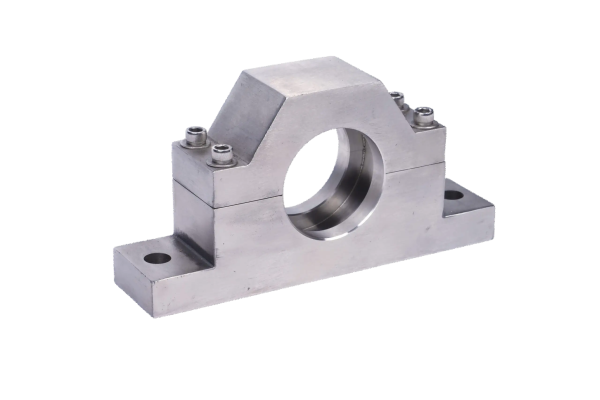
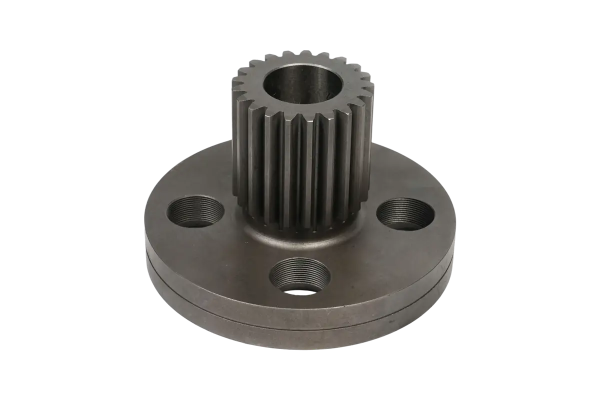
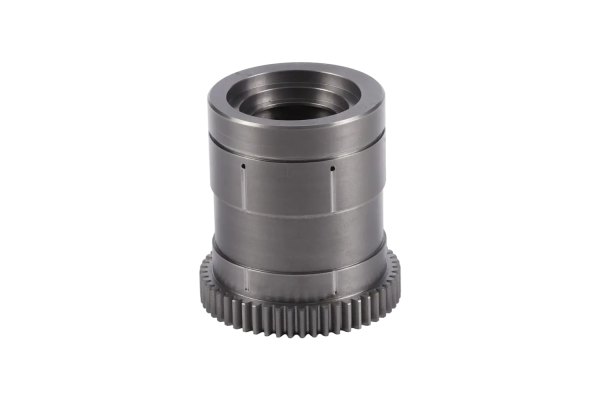
In the realm of mechanical engineering, the “bearing seats” are a critical component that plays a vital role in ensuring smooth and reliable operation. Whether you’ dealing with heavy-duty industrial equipment or precision drive machinery, bearing seats are indispensable, providing the necessary support and alignment for bearings to effectively perform their function. This article delves the importance of couplings, the various types of couplings, and how the innovative coupling sleeves from Ningbo Dong Pei Machinery Co., Ltd. embody the essence of and precision engineering. Bearing seats are an essential part of ensuring the mechanical functionality of a bearing system, reducing wear and ensuring stability. They serve as the foundation for bearings, whether used in or fixed applications, and they optimize shaft alignment and ensure the smooth operation of mechanical components, also enhancing the mechanical precision and longevity of the bearings. Bearing seats come many types to meet the needs of various industries. Ball bearing seats are known for their ability to handle radial and axial loads. These bearing seats are versatile and practical,we use the casting process such the **High-Performance Flanged Coupling Sleeve** making bearings the best partner for heavy-duty machinery challenges. Enter Ningbo Dong Pei Machinery Co., Ltd—a name synonymous with innovation and excellence in mechanical engineering. This enterprise boasts a comprehensive scope of operations including mining couplings, wind power machinery, and OEM customized parts. Their expertise in precision manufacturing is exemplified by the **High-Performance Flanged Coupling Sleeve**, a truly groundbreaking product that elevates bearing seat application to a whole new level. Crafted from durable steel alloy, this coupling sleeve combines robustness with sleek aesthetics. Its cylindrical design ensures seamless alignment, promoting optimal functioning in heavy machinery. The flange integrated into the sleeve elevates its versatility by allowing flawless attachment to machinery parts, thereby ensuring stability even under high-stress conditions. In conclusion, bearing seats are fundamental in the world of machinery, acting as the cornerstone for bearings. Combined with high-quality components like Ningbo Dongpei Machinery Co., Ltd’s Flanged Coupling Sleeve, they open a gateway to enhanced efficiency and reliability in mechanical systems. Our company has advanced equipment and excellent team, we hope to be your partner!

Share on:

leave a message:

Description

Introduction: Redefining Torsional Rigidity and Alignment

In the realm of high-speed machinery, precision automation, and heavy-duty industrial drives, the connection between two rotating shafts must be more than just a physical link. It must be a precision-engineered interface that guarantees maximum torque transmission, perfect alignment, and zero backlash under dynamic loads. The High Performance Flanged Coupling Sleeve represents the pinnacle of this engineering philosophy. Combining the concentric accuracy of a precision sleeve with the secure, bolted rigidity of a flange, this component is designed for applications where standard couplings are a compromise. This guide explores the advanced design, material science, and critical applications of these sleeves, demonstrating why they are the choice for engineers who demand uncompromising performance.

What is a High Performance Flanged Coupling Sleeve?

High Performance Flanged Coupling Sleeve is a single-piece, cylindrical component that features a precision-machined internal bore (often with a keyway or splines) and an integral external flange at one or both ends. It serves a dual function:

  1. Sleeve Function: It fits over the ends of two co-linear shafts, joining them with a tight, often interference, fit to create a seamless, concentric connection.

  2. Flange Function: The integral flange(s) provide a rigid, bolt-together interface. Bolts through the flange of the sleeve and a mating flange on the equipment (or another sleeve) create an immensely strong mechanical connection that resists all shear and bending forces.

This integrated design creates a connection that is significantly stiffer, more balanced, and more reliable than assembling separate sleeves and flanges.

Core Engineering & Design Advantages

The “High Performance” label is earned through specific design and manufacturing attributes that deliver tangible benefits over conventional coupling methods.

  • Unmatched Torsional Rigidity: The single-piece construction from hub to flange eliminates any fretting, slippage, or hysteresis loss that can occur in multi-component assemblies. This provides near-perfect torque transmission, critical for servo drives, high-speed spindles, and positioning systems.

  • Exceptional Alignment & Concentricity: Machined from a single forging or bar stock in one setup, the internal bore and external flange are perfectly concentric. This ensures the connected shafts rotate on a true, common axis, minimizing vibration and bearing wear.

  • High-Strength, Lightweight Design: Manufactured from high-grade alloy steel (e.g., 4140, 4340) or stainless steel, and often heat-treated, these sleeves offer an exceptional strength-to-weight ratio. Material can be strategically removed to reduce mass without sacrificing rigidity, which is vital for high rotational speeds.

  • Optimized for Dynamic Balance: The inherent symmetry and precision of the sleeve make it an ideal candidate for high-speed applications. Premium manufacturers dynamically balance each unit to a high standard (e.g., ISO 1940 G2.5, G1.0) to prevent destructive vibrations at operational RPMs.

  • Simplified & Secure Assembly: The integrated flange provides a robust, pilot-aligned surface for bolting. This design is often easier and faster to assemble accurately than dealing with separate taper-lock bushes, setscrews, or clamping collars, while providing a far more secure connection.

Key Industries and Critical Applications

This component is essential in sectors where precision, reliability, and power density are non-negotiable:

  • Aerospace & Defense: Actuator drives, rotor systems, and auxiliary power unit (APU) connections where lightweight, high-strength, and absolute reliability are paramount.

  • High-Performance Automotive & Racing: Supercharger/ turbocharger drives, gearbox couplings, and dynamometer connections.

  • Industrial Robotics & Automation: Direct drives for robotic arms, high-torque servo motor connections, and precision rotary stages.

  • Machine Tool & CNC Machining: Spindle couplings, ball screw drives, and rotary table connections requiring high rigidity and positional accuracy.

  • Energy & Turbomachinery: Pump and compressor couplings in oil & gas, and high-speed generator drives.

Selection and Specification Guide

Specifying the right flanged coupling sleeve requires a detailed understanding of your drive parameters. Use this framework:

Selection Criteria Key Considerations & Specifications Technical Implications
Torque & Power Transmission What is the continuous and peak (shock) torque? What is the motor horsepower and RPM? Determines the required material yield strength, wall thickness, and the need for splines vs. keyways. The sleeve must have a torque rating with a safety factor above the application maximum.
Shaft Interface & Fit What are the shaft diameters and tolerances? Is a clearance, transition, or interference fit required? Keyway or spline specifications? The bore fit is critical for torque transfer and concentricity. Interference fits provide the greatest rigidity but require precise heating/installation.
Dynamic Performance Requirements What is the maximum operational speed (RPM)? What balance grade is required (e.g., G2.5 at 10,000 RPM)? Dictates the need for balancing, material selection (for centrifugal force), and potentially a hollow or weight-optimized design.
Flange Specification What is the bolt circle diameter, number of bolts, and bolt size? Is there a pilot diameter for alignment? Is the face flat or should it be spigoted? Ensures compatibility with the mating flange. A pilot diameter is highly recommended for precise, repeatable alignment.
Environmental & Material Factors Will the sleeve be exposed to corrosion, extreme temperatures, or chemicals? Is magnetic permeability a concern? May necessitate stainless steel (316, 17-4 PH), special coatings, or non-magnetic alloys.

Installation Best Practices for Optimal Performance

To realize the full potential of a high-performance sleeve, proper installation is crucial:

  1. Thermal Installation for Interference Fits: Use an induction heater or controlled oven to expand the sleeve bore for installation. Never use a hammer. Allow it to cool and shrink onto the shaft for a permanent, rigid fit.

  2. Precision Alignment: Even with a pilot diameter, final laser alignment of the connected machinery is essential to ensure the sleeve is not subjected to bending stress.

  3. Proper Bolt Torquing: Use a calibrated torque wrench and follow the manufacturer’s recommended pattern and torque value for flange bolts. Use the specified grade of fastener.

  4. Run-in and Inspection: After installation, run the system at low speed and check for vibration before ramping up to full operational speed.

Conclusion: The Definitive Solution for Critical Drivelines

When standard keyed shafts, clamp collars, or flexible couplings introduce unwanted compliance, misalignment risk, or mass, the High Performance Flanged Coupling Sleeve provides an engineered alternative. It is the definitive solution for creating a rigid, lightweight, and perfectly aligned driveline segment.

Investing in this level of componentry is an investment in the fundamental performance of your machine—reducing vibration, increasing positioning accuracy, extending bearing life, and delivering power with uncompromising efficiency. For the most demanding connections, it is not an option; it is a necessity.


Disclaimer: This guide provides general engineering information. The design and specification of coupling components for high-speed or safety-critical applications must be done by qualified engineers, often in consultation with the manufacturer.

For detailed technical specifications, material data, and custom engineering support, it is essential to consult directly with a specialized manufacturer.

A reputable manufacturer will require detailed application data to recommend or design the appropriate High Performance Flanged Coupling Sleeve, ensuring a safe and optimized solution for your specific needs.